

The best essential oils for sleep and relaxation are lavender, Roman chamomile, cedarwood, bergamot, and vetiver. Inhaling these calming scents before bed may help the mind settle, ease nighttime stress, and make it easier to transition out of a busy day. Diffusing 3–5 drops about 30–60 minutes before sleep is a common starting point for a consistent nighttime routine.
In this article
Your Complete Guide to Essential Oils for Sleep and Relaxation
For centuries, people have turned to calming scents to ease the transition from a busy day into restful sleep. Aromatherapy is often used to support relaxation at night, and many people find that the right essential oil becomes a comforting cue that it's time to wind down. This guide brings together everything you need to choose the best oils for sleep, understand how scent may help your body relax, and build a bedtime routine that actually sticks. While essential oils aren't a cure for sleep troubles, they can be a gentle, enjoyable part of a calmer evening.
Start with the in-depth guides below:
- How to choose the best essential oils for sleep
- Lavender for sleep: benefits and best use
- Why chamomile is used for nighttime relaxation
- How scent helps your body relax
- Using calming oils in a nighttime routine
- Diffusing oils for better sleep
- How long to diffuse oils at night
- Building a calming bedtime ritual
- Essential oils and insomnia: what to know
 Pair it with 100% Pure Lavender Essential Oil
$14.99
Pair it with 100% Pure Lavender Essential Oil
$14.99
What Makes an Essential Oil Good for Sleep?

Not every essential oil is ideal for nighttime use. The best essential oils for sleep and relaxation are typically chosen for their calming scent profiles and their ability to support a more comfortable bedtime atmosphere without feeling overly intense or stimulating.
Some oils are commonly used because they help create stronger nighttime relaxation cues and encourage a smoother transition out of daytime mental activity.
Calming Scent Profile
Soft, warm, herbal, or grounding aromas are often preferred for bedtime routines. Oils with overly sharp, energizing, or citrus-heavy scents may feel too stimulating late at night for some people.
Works Well in Low-Stimulation Environments
Sleep-friendly essential oils are usually subtle rather than overpowering. Many people prefer scents that blend naturally into quieter nighttime spaces instead of dominating the room.
Supports Consistent Bedtime Rituals
The scent itself is only part of the experience. Repeated use of calming oils during nighttime routines may help the brain associate certain sensory cues with relaxation and bedtime preparation over time.
Different Oils Support Different Needs
Some people prefer floral oils like lavender or chamomile for relaxation, while others gravitate toward grounding scents like cedarwood or sandalwood for a quieter nighttime atmosphere.
The best essential oil for sleep often depends on personal scent preference, sensitivity, and the type of nighttime routine you're trying to create.
Why People Use Essential Oils Before Bed

People use essential oils before bed to support relaxation, reduce nighttime stress, and create calmer bedtime routines. Scents like lavender, chamomile, cedarwood, and sandalwood are commonly used because they help create softer nighttime environments that feel less mentally stimulating before sleep.
Key reasons people use essential oils before bed include:
- Relaxation Support: Calming scents may help the mind and body feel more settled after stressful or overstimulating days.
- Better Bedtime Routines: Repeating the same nighttime scent may help create stronger associations with relaxation and winding down.
- A More Comfortable Sleep Environment: Diffusing essential oils may help bedrooms feel quieter, softer, and more sleep-friendly at night.
- Reduced Nighttime Overstimulation: Many people use essential oils to help create separation between daytime activity and bedtime.
- Pairing With Evening Habits: Essential oils are often used alongside reading, stretching, meditation, journaling, or reduced screen time as part of intentional nighttime routines.
This idea of using scent to shape how a space feels is also why people often wonder why luxury hotels smell so good, as many hospitality brands use carefully chosen scent profiles to create memorable and relaxing environments.
Pair it with 100% Pure Lavender Essential Oil
$14.99
What the Research Says
Scent reaches the brain through the olfactory system, which connects directly to the limbic system — the region involved in emotion, memory, and stress response. That anatomy is one reason a familiar calming aroma can feel like it shifts your mood quickly, though how much comes from the compounds themselves and how much from habit and expectation is still an open question. Lavender is the most studied oil in a sleep context: it contains a compound called linalool that researchers believe may interact with receptors involved in calming the nervous system, and some research suggests it may help lower cortisol, a stress hormone that can interfere with falling asleep. According to the Sleep Foundation, research suggests that lavender aromatherapy may improve perceived sleep quality, particularly in people experiencing mild sleep difficulties. For a deeper look at this pathway, see our guide on how aromatherapy affects the brain during sleep.
Best Essential Oils for Sleep and Relaxation
Lavender, Roman chamomile, cedarwood, bergamot, and vetiver are the five oils most often reached for at bedtime, with ylang ylang, sandalwood, and marjoram rounding out the profiles below. While essential oils are not designed to "force" sleep, many people use them as part of bedtime routines focused on relaxation, mental decompression, and smoother nighttime transitions.
Different oils create different nighttime experiences. Some feel soft and comforting, while others create deeper, grounding nighttime atmospheres. Choosing the right one often depends on your scent preference and the type of bedtime routine you want to build.
Lavender Essential Oil

Lavender is one of the most popular essential oils for sleep and relaxation because of its soft floral-herbal aroma and calming nighttime association. Many people use lavender in bedtime routines focused on reducing mental overstimulation and creating a more peaceful nighttime atmosphere.
Lavender is commonly used for:
- Nighttime stress and mental tension
- Bedtime diffuser routines
- Creating softer sleep environments
- Evening relaxation rituals
Roman Chamomile Essential Oil

Roman chamomile has a warm, gentle scent often associated with comfort and quiet nighttime routines. Compared to lavender, it feels softer, creamier, and less herbal, making it popular for people who prefer lighter bedtime aromas.
Roman chamomile is often chosen for:
- Peaceful evening routines
- Softer nighttime scent profiles
- Relaxing self-care routines
- Lower-stimulation bedtime environments
Cedarwood Essential Oil

Cedarwood offers a deeper woody aroma that feels grounding and warm rather than floral. Many people use cedarwood in nighttime diffuser blends designed to create calmer, quieter nighttime spaces.
Cedarwood is commonly used for:
- Grounding nighttime routines
- Deeper woody diffuser blends
- Cozy nighttime environments
- Reducing overstimulating scent combinations
Bergamot Essential Oil

Bergamot has a softer citrus profile compared to energizing citrus oils like lemon or grapefruit. Its scent feels brighter than woody oils but still calming enough for many nighttime routines.
Bergamot is often used for:
- Emotionally stressful days
- Lighter evening diffuser blends
- Fresh but relaxing nighttime aromas
- Balancing floral or woody oils
Vetiver Essential Oil

Vetiver has a rich, earthy aroma often described as deep, smoky, and grounding. Because of its heavier scent profile, it's commonly used in diffuser blends focused on creating slower, quieter nighttime atmospheres.
Vetiver is commonly used for:
- Deep nighttime relaxation routines
- Earthy diffuser blends
- Calming overstimulating environments
- Grounding bedtime rituals
Ylang Ylang Essential Oil

Ylang ylang has a rich floral scent that feels warm, smooth, and relaxing when used in small amounts. Many people diffuse it during evening routines designed to create softer and more comforting nighttime environments.
Ylang ylang is often used for:
- Warm floral nighttime blends
- Relaxing bath or self-care routines
- Comforting evening environments
- Balancing woody essential oil blends
Sandalwood Essential Oil

Sandalwood is known for its smooth woody aroma that feels calming without being overpowering. It's frequently used in nighttime rituals focused on slowing down mentally and creating more peaceful bedtime atmospheres.
Sandalwood is commonly used for:
- Quiet nighttime routines
- Grounding diffuser blends
- Meditation or mindfulness rituals
- Smooth wood-based nighttime aromas
Marjoram Essential Oil

Marjoram has a warm herbal scent commonly associated with comfort and nighttime relaxation. It's often blended with lavender, chamomile, or cedarwood in diffuser routines focused on helping the body and mind feel less tense before bed.
Marjoram is commonly used for:
- Cozy nighttime diffuser blends
- Herbal relaxation routines
- Softer bedtime scent combinations
- Calming evening environments
How to Choose the Right Sleep Essential Oil

Choosing the right sleep essential oil depends on your nighttime habits, scent preference, and the type of relaxation you're looking for before bed. Some oils feel lighter and calming, while others create deeper, grounding nighttime atmospheres designed for slower evening routines.
The best approach is usually choosing oils based on how you personally respond to certain scent profiles rather than simply picking the strongest aroma.
Choose Based on Your Nighttime Needs
Different essential oils are often used for different bedtime experiences:
- Lavender: Commonly used for general relaxation and nighttime wind-down routines
- Roman Chamomile: Popular for softer, comforting bedtime environments
- Cedarwood: Often chosen for grounding nighttime atmospheres and deeper woody blends
- Vetiver: Frequently used in slower, heavier nighttime diffuser blends
- Bergamot: Preferred for lighter evening relaxation without overly floral scents
- Marjoram: Commonly used in cozy herbal nighttime blends
Prioritize High-Quality Essential Oils
Choosing high-quality essential oils may help create a more natural and balanced scent experience. Many people prefer oils labeled:
- 100% pure essential oil
- Steam distilled
- Free from synthetic fragrance fillers
Artificial fragrance blends may smell stronger initially but often feel harsher or less balanced in nighttime environments.
Choose the Right Application Method
Different methods create different nighttime experiences:
- Diffuser: One of the most common methods for creating relaxing nighttime environments throughout the room
- Pillow or Linen Spray: Often used for softer personal scent experiences before sleep
- Topical Application: Some people dilute oils with carrier oils and apply them to pulse points or neck areas before bed
Many nighttime routines use ultrasonic diffusers because they distribute scent more gradually and evenly without becoming overpowering.
Use Essential Oils Consistently
Nighttime scent routines often work best when used consistently rather than occasionally. Repeating the same calming scent before bed may help strengthen mental associations with relaxation and winding down over time.
Many people diffuse essential oils about 30–60 minutes before sleep as part of quieter nighttime routines focused on reducing stimulation before bed.
Avoid Using Too Much Oil
Stronger scent does not always mean better relaxation. Overusing essential oils may make nighttime environments feel too intense or overstimulating for sleep.
In most cases, a few drops are enough to create a softer and more comfortable nighttime atmosphere naturally.
Diffuser vs Pillow Spray vs Topical Oils

Diffusers, pillow sprays, and topical oils all create different nighttime aromatherapy experiences. Diffusers disperse scent throughout a room, pillow sprays provide a lighter scent directly around bedding, and topical oils are diluted in a carrier oil and applied to the skin for more personal nighttime routines.
The best option usually depends on how strong you want the scent to feel, how much coverage you need, and the type of bedtime experience you prefer.
Diffusers
Diffusers are commonly used to create a relaxing nighttime atmosphere throughout an entire room. Ultrasonic diffusers disperse essential oils gradually into the air, helping bedrooms feel softer and less mentally stimulating before sleep.
Best for:
- Full-room nighttime ambiance
- Bedtime routines and wind-down rituals
- Longer-lasting scent diffusion
- Creating lower-stimulation sleep environments
Pros:
- Wide scent coverage
- Gradual and balanced diffusion
- Works well for nightly routines
- No direct skin contact required
Cons:
- Requires water and power
- Needs occasional cleaning
- Some models produce light background sound
Pillow Sprays
Pillow sprays create a more localized scent experience directly around pillows, bedding, or linens. Many people prefer pillow sprays because they feel simple, portable, and less intense than full-room diffusion.
Best for:
- Quick nighttime routines
- Smaller bedrooms or travel
- Lighter bedtime scent experiences
- People sensitive to stronger room scents
Pros:
- Easy to use
- Portable and travel-friendly
- Silent during use
- Minimal setup required
Cons:
- Scent fades faster
- Requires reapplication
- Limited room coverage
Topical Oils
Topical oils are usually diluted with carrier oils before being applied to pulse points, neck areas, shoulders, or wrists. Some people prefer topical application because it feels more personal and targeted compared to room diffusion.
Best for:
- Nighttime self-care routines
- Massage or relaxation rituals
- Targeted scent application
- Combining aromatherapy with physical relaxation habits
Pros:
- Highly personalized scent experience
- Can pair well with massage routines
- Portable and convenient
- No diffuser required
Cons:
- Requires proper dilution
- May irritate sensitive skin
- Some oils may stain fabrics or bedding
Which Option Is Best for Sleep?
Many people prefer ultrasonic diffusers for bedtime routines because they create softer full-room environments that feel more calming and consistent throughout the evening.
Many of the best essential oil diffusers for bedroom sleep are designed around these same principles, combining quiet operation with balanced scent diffusion for nighttime comfort.
However, pillow sprays may work better for smaller spaces or lighter scent preferences, while topical oils are often chosen for more personal nighttime relaxation rituals.
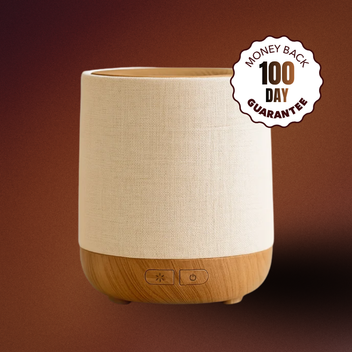
Wood essential oil diffuser that runs up to 10 hours on one 200 ml fill. Quieter than a whisper (27.3 dB, l...
Common Mistakes When Using Essential Oils at Night

Using essential oils at night may help support more relaxing bedtime routines, but certain mistakes can make nighttime environments feel too stimulating or uncomfortable instead of calming.
Common mistakes include:
- Using too many drops at once, which may make smaller rooms feel overpowering instead of relaxing
- Choosing energizing oils like peppermint or strong citrus blends too close to bedtime
- Diffusing oils in poorly ventilated bedrooms where scent buildup becomes too intense
- Expecting essential oils to work like instant sleep solutions instead of part of consistent nighttime routines
- Using synthetic fragrance oils instead of high-quality 100% pure essential oils
- Ignoring personal scent preference and forcing scents that feel too strong or unpleasant
- Combining too many oils together, which may create overwhelming nighttime blends
- Using essential oils inconsistently instead of building regular bedtime habits around them
It's also important to remember that essential oils are designed to enhance a room—not solve underlying odor problems. Understanding the common reasons your bedroom smells bad can help create a fresher and more comfortable sleep environment overall.
For most nighttime routines, softer and more balanced scent experiences usually work better than overly strong fragrance diffusion. Many people get better long-term results by using essential oils gently and consistently as part of calmer evening environments.
Why Scentreat Diffusers Work Well for Bedtime Routines

The Ceramic & Rubber Wood Diffuser is designed for people who want bedtime routines to feel calmer, more consistent, and less mentally stimulating at night. Instead of creating an overly strong scent experience, the diffuser helps distribute essential oils more gradually throughout the room, making nighttime environments feel softer and more comfortable before sleep.
One reason many people prefer ultrasonic diffusers for bedtime routines is that they help turn scent into part of a repeated nighttime habit rather than just temporary fragrance. Over time, familiar nighttime scents may help create stronger associations with slowing down, relaxing, and stepping away from daytime stimulation.
The diffuser is especially suited for evening routines because it combines quiet mist diffusion with softer ambient lighting, helping bedrooms feel less harsh compared to bright screens, strong lighting, or overstimulating nighttime environments.
Key features include:
- Quiet ultrasonic operation suitable for nighttime use
- Gradual scent diffusion that feels softer and more balanced
- Compact 200ml size ideal for bedside spaces and bedrooms
- Warm ambient glow designed for calmer evening environments
- Automatic shut-off for easier overnight routines
- Minimalist wood-inspired design that fits naturally into relaxing nighttime spaces
Many people pair this diffuser with oils from the sleep & relax collection — lavender, cedarwood, chamomile, sandalwood, or bergamot — to create more intentional sleep environments before bed.
If you're looking to build more relaxing bedtime routines naturally, you can explore essential oil diffusers for different nighttime spaces, or browse our full collection of pure essential oils for single-note and blended options designed for calmer evenings.
Safety & Precautions
Essential oils are highly concentrated plant extracts — a little goes a long way. A few precautions make the experience safer for everyone in the household.
- Dilute before skin contact. For adults, a dilution of 1–3% in a carrier oil (roughly 6–18 drops per 30 ml) is the standard range for topical use — stay near 1% for facial or sensitive skin and daily use, and keep the higher end for small areas over short stretches. Applying undiluted oils directly to skin can cause irritation or sensitization.
- Bergamot and photosensitivity. Bergamot contains furanocoumarins that can make skin more reactive to UV light. If you apply bergamot topically, avoid direct sun exposure on that area for at least 12 hours — or choose an FCF (furanocoumarin-free) version for daytime use.
- Cats and pets. Cats lack a liver enzyme that metabolizes many essential oil compounds, making them especially vulnerable. Diffusing in a closed room where cats spend time — particularly with tea tree, eucalyptus, cinnamon, clove, or citrus oils — is generally not recommended. Bergamot, one of the sleep oils recommended above, is a citrus oil, so cat owners may want to build their nighttime blend around lavender, Roman chamomile, or cedarwood instead. Keep rooms ventilated and give animals a way to leave. See our full guide on safe essential oils for pets and kids for a complete breakdown by species and oil type.
- Children and babies. Many essential oils are not safe to use at full adult concentrations around infants or young children. Under age 2, leave out peppermint and eucalyptus entirely — the menthol and 1,8-cineole they contain are linked to breathing problems in babies and toddlers — and never apply essential oils to a baby's skin or give them by mouth. If you share a diffuser space with kids, use very low concentrations in a well-ventilated room, and consult your pediatrician before starting a routine.
- When to consult your provider. If you're pregnant, nursing, managing a diagnosed sleep disorder, or taking medication, speak with your healthcare provider before beginning an aromatherapy routine. Essential oils can complement good sleep habits — they are not a medical treatment for insomnia, sleep apnea, or other conditions.
Conclusion
The best essential oils for sleep and relaxation depend on the type of nighttime routine and atmosphere you want to create. Lavender, Roman chamomile, cedarwood, bergamot, and vetiver are good starting points — each brings a different quality, from soft and floral to deep and grounding. Use them consistently with a quiet diffuser, and the scent becomes a signal your body starts to recognize. Explore the sleep & relax collection or browse all essential oil diffusers from Scentreat to get started. Whichever oil you choose, it still has to fill the room: the Ceramic & Rubber Wood Diffuser covered above is rated for up to 30 m² (320 sq ft), and the Minimalist Wood Diffuser for up to 35 m² (375 sq ft).
More Essential Oils for Sleep Guides
- 20 Common Essential Oil Substitutes List – Smarter Swaps That Work
- How to Use Essential Oils for Sleep: A Simple Nighttime Routine Guide
- Essential Oils for Insomnia: Can They Really Help You Sleep Better?
- Chamomile for Sleep: Benefits, How It Helps & How to Use It
- Aromatherapy Sleep Ritual: How to Build a Relaxing Night Routine
- Do Essential Oil Diffusers Really Help You Sleep?
- Does Aromatherapy Help Insomnia? What Research Shows
- Essential Oils for Sleep Diffuser: What Actually Works
- How Essential Oils Help the Body Relax: What Scent Actually Does
- Essential Oil Diffuser for Sleep: Benefits, How It Works & When It Helps
- How Long to Diffuse Oils at Night for Better Sleep
- Lavender Oil for Sleep: Why It Helps Some People — and Not Others
- Best Essential Oils for Sleep: How to Choose Oils for Nighttime Calm
- How Aromatherapy Affects the Brain During Sleep
Frequently Asked Questions
What are the best essential oils for sleep and relaxation?
Lavender, Roman chamomile, cedarwood, bergamot, and vetiver are the five most popular essential oils used in nighttime relaxation routines. Sandalwood, ylang ylang, and marjoram are common alternatives if you prefer a deeper woody or warmer herbal scent.
How do you use essential oils before bed?
Many people use essential oils in ultrasonic diffusers, pillow sprays, or diluted topical blends as part of bedtime routines before sleep.
Which essential oil is best for overthinking at night?
Lavender, chamomile, and cedarwood are commonly used in nighttime routines focused on creating calmer and less mentally stimulating sleep environments.
Can essential oils help create a better sleep environment?
Essential oils are often used to support quieter, more relaxing nighttime atmospheres and more intentional bedtime habits.
What is the best diffuser for sleep essential oils?
Many people prefer ultrasonic diffusers because they disperse scent gradually and create softer nighttime environments without feeling overpowering.
Are essential oils safe to use for sleep, especially around pets?
Essential oils used for sleep — like lavender, chamomile, and cedarwood — are generally considered safe for adult use when diffused in a well-ventilated room. However, pets, especially cats, are much more sensitive to essential oils than humans. Cats lack a liver enzyme needed to break down many aromatic compounds, so diffusing oils in a closed room where cats spend time is best avoided. Dogs are more tolerant but can still be bothered by strong concentrations. If you share a home with pets, use low concentrations (3–4 drops), keep the room ventilated, and always give animals a way to leave. For a full breakdown by species and oil type, see our guide on safe essential oils for pets and kids.

