

Do essential oils really help with sleep? They can — lavender, chamomile, cedarwood, and sandalwood are the most consistently used oils for sleep diffusers, and research suggests inhaled aromatherapy may improve perceived sleep quality by creating a calmer environment rather than acting as a sedative (Sleep Foundation). The key is choosing the right oils and using them with a well-timed, steady diffuser routine.
For how these same oils are used outside a diffuser, see our sleep and relaxation guide.
When used with a well-designed diffuser, these essential oils for sleep setups can also support more consistent nighttime routines — especially for anyone looking for natural support for occasional insomnia. For the mechanism behind all of this, see Essential Oil Diffuser for Sleep.
In this guide, Scentreat explains which essential oils work best in a sleep diffuser, how each one shapes your environment, and how to build a simple, consistent nighttime routine around them.
Best Essential Oils for Sleep Diffuser

Not all essential oils are suitable for sleep. Some are too sharp or stimulating, while others are softer and better suited for relaxation and nighttime use.
The oils below are the most commonly used in a sleep diffuser because they create a calmer, more balanced environment. Each one works through scent signals that travel to the limbic system — the brain's emotion and memory center — which can help shift your body toward a more relaxed state.
Lavender
A widely used oil for sleep routines, and the most studied for relaxation. Its key active compound, linalool, is associated with calming effects on the nervous system.
- Soft, floral scent
- Helps create a calm atmosphere
- Suitable for consistent nightly use
Chamomile
Gentle and slightly sweet, Roman chamomile is often used to support relaxation before bed.
- Light, soothing scent
- Works well in quiet environments
- Pairs easily with lavender or cedarwood
Sandalwood
A deeper, warmer oil that adds stability to sleep blends. Sandalwood's rich, woody base note lingers longer than lighter oils — good for a slow, even diffusion session.
- Smooth, woody scent
- Helps create a grounded feeling
- Often used in evening routines
Cedarwood
A soft wood-based oil that feels calm and comforting. Cedarwood contains cedrol, a compound a small number of inhalation studies have looked at in connection with relaxation. The research is early and the studies are small, so treat cedarwood as part of a calming environment rather than as something that acts on you directly.
- Warm, subtle aroma
- Not overpowering
- Works well for long diffusion sessions
Bergamot
A lighter option that still supports relaxation — it brings a fresh citrus note that's less sharp than lemon or grapefruit, helping to balance heavier base oils in a blend.
- Fresh but soft citrus scent
- Less sharp than typical citrus oils
- Helps balance heavier oils in blends
Note on bergamot: bergamot contains bergapten, a compound that can increase skin sensitivity to sunlight. Use bergamot only in a diffuser — do not apply it directly to skin before sun exposure.
The best essential oils for sleep are those that feel soft, stable, and easy to stay with over time. Strong or overly sharp scents are usually less suitable for bedtime use.
How Each Oil Works in a Sleep Diffuser

Essential oils don't work like medication. Instead of forcing sleep, they help shape the environment so your body can relax more naturally — the inhaled compounds interact with the olfactory system, sending signals to the limbic system that can influence mood and perceived stress levels.
Calming Oils (Lavender, Chamomile)
These oils help create a softer, quieter atmosphere. Their scent feels gentle and familiar, which can make it easier for your mind to slow down after a long day.
Grounding Oils (Sandalwood, Cedarwood)
Deeper, wood-based oils add stability to the environment. They don't stand out sharply, but instead create a steady background scent that feels warm and consistent over time.
Balancing Oils (Bergamot)
Bergamot is the bridge between the two groups above. Its light citrus top note ties the soft florals to the deeper woods, so a blend doesn't tip into feeling too heavy or too sharp — which makes the overall scent more comfortable to stay with during sleep.
A good sleep diffuser setup is not about strong effects, but about creating a stable and calming atmosphere that supports your natural sleep cycle.
Oil Combinations for Deep Sleep

Using a single oil can work, but combining a few oils often creates a more complete and stable scent for sleep. The goal is not to make the scent stronger, but to make it feel smoother and easier to stay with overnight.
Simple blends usually work best — aim for 3–5 drops per 100 ml of water in your diffuser, which works out to about 6 drops in a full 180 ml tank. That is what each blend below adds up to; going heavier than that in a small bedroom can make the scent feel heavy rather than calming.
Classic Calm Blend
- 3 drops Lavender
- 2 drops Chamomile
- 1 drop Sandalwood
A soft and balanced blend that works well for winding down and preparing for sleep.
Deep Relaxation Blend
- 3 drops Cedarwood
- 2 drops Lavender
- 1 drop Bergamot
This combination feels slightly deeper and more stable — an even, low-key scent that is easy to stay with through a long night.
Light & Gentle Blend
- 3 drops Chamomile
- 2 drops Bergamot
- 1 drop Lavender
A lighter blend that creates a calm environment without feeling too heavy or intense.
Effective sleep blends are simple and balanced. Using too many oils or strong combinations can make the scent feel distracting instead of relaxing.
 Pair it with 100% Pure Lavender Essential Oil
$14.99
Pair it with 100% Pure Lavender Essential Oil
$14.99
How to Use Essential Oils at Night
Using essential oils for sleep is more about consistency than quantity. A simple routine often works better than constantly changing oils or increasing the number of drops.
- Turn on your diffuser 20–30 minutes before bedtime to let the scent settle
- Keep the scent light and balanced — 3–5 drops per 100 ml is a good starting point
- Use short sessions (30–60 minutes) instead of running it all night
- Place the diffuser a few feet away from your bed, not too close
- Stick to 1–2 familiar blends to create a stable, recognizable routine
The goal is to create a calm, consistent environment that your body can naturally associate with sleep over time.
Safety & When to Talk to a Doctor
Aromatherapy is a supportive tool, not a treatment. If you've been dealing with chronic insomnia — difficulty sleeping most nights for more than a few weeks — it's worth speaking with a doctor or sleep specialist. Persistent sleep problems can have underlying causes (stress, sleep apnea, hormonal shifts) that essential oils alone won't address.
Oils to use with caution or avoid in the bedroom:
- Peppermint, eucalyptus, rosemary — too stimulating for most people before bed
- Bergamot (undiluted on skin) — contains bergapten; only use in a diffuser, not topically before sun exposure
- Any oil if pets are present — many essential oils (including tea tree, eucalyptus, and citrus) are toxic to cats and dogs. Keep pets out of diffused rooms or consult your vet before use. See the ASPCA Animal Poison Control resource for guidance.
For more on choosing the right diffuser setup for a calm sleep environment, see our guide to diffuser benefits for sleep.
 Pair it with 100% Pure Chamomile Essential Oil
$14.99
Pair it with 100% Pure Chamomile Essential Oil
$14.99
Common Mistakes When Using Essential Oils for Sleep
Even with the right oils, small mistakes can make your sleep diffuser less effective or uncomfortable to use.
- Using too many drops, making the scent too strong for a small bedroom
- Choosing oils that are too sharp or stimulating (like strong mint or citrus)
- Running the diffuser all night, which can make the air feel heavy and overwhelming
- Switching oils too often instead of building a consistent routine
- Placing the diffuser too close to your bed, causing the scent to feel intense
Better results come from using less oil, keeping things simple, and staying consistent over time.

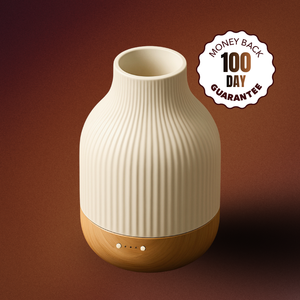
Handcrafted ceramic essential oil diffuser for bedroom and sleep: quieter than a whisper (27.3 dB, lab-test...
Build a Better Sleep Routine with Scentreat

Creating a relaxing sleep routine isn't just about choosing the right oils — it's also about how those oils are delivered into your space.
The Ceramic & Rubber Wood Diffuser focuses on making that process simple, balanced, and easy to maintain every night — with a soft mist output designed for bedroom use. If you want to explore how it compares to other home options, read our guide to luxury diffusers for a home spa setup.
- Ultrasonic design for sleep: Creates a soft, consistent mist that feels comfortable in a bedroom — a smoother experience than strong heat or fan-based diffusers.
- Better control, less guesswork: Simple settings and stable output make it easy to keep your scent at the right level without constantly adjusting.
- Works with all 100% pure oils: Whether you use single oils or blends, it distributes them evenly so the scent feels natural, not overwhelming.
- Flexible sets for your routine: Pair the diffuser with oils from the Sleep & Relax collection to build a complete nighttime ritual.
Who it's best for
- People who want a simple, consistent bedtime routine
- Light sleepers who need a soft, non-overwhelming scent
- Anyone looking for a clean, minimal setup that's easy to use daily
The right setup isn't about using more oils — it's about creating a stable environment you can rely on every night.
Conclusion
Essential oils can support better sleep, but consistency matters more than complexity. A few drops of lavender, cedarwood, or chamomile — diffused for 30–60 minutes before bed — is often enough to shift the room into a calmer state. With the right essential oil diffuser and a routine you repeat, the habit itself becomes the cue. Scentreat backs the Ceramic & Rubber Wood Diffuser with a 100-day money-back guarantee — long enough to run the routine night after night and see whether it actually changes how you wind down.
Frequently Asked Questions
What are the best essential oils for sleep?
Lavender, chamomile, sandalwood, and cedarwood are the most commonly used oils for their calming properties. Lavender is the most studied, with its compound linalool associated with relaxing effects on the nervous system.
How many drops should I use at night?
Start with 3–5 drops per 100 ml of water in your diffuser. Adjust based on room size — larger rooms may need a drop or two more, while small bedrooms often need less to keep the scent comfortable.
Can I mix essential oils for sleep?
Yes, combining 2–3 oils often creates a more balanced and comfortable scent. A simple blend of lavender, cedarwood, and a drop of bergamot is a good starting point for most people.
Are essential oils safe to diffuse all night?
Running a diffuser all night isn't recommended. A 30–60 minute session before sleep is usually enough — continuous diffusion can make the air feel heavy and may irritate airways. Always ventilate the room, and keep cats and small pets out of diffused spaces, as many essential oils are toxic to animals.
Where should I put the diffuser in the bedroom?
A few feet from the bed rather than right beside it — close enough for the scent to reach you, far enough that it does not feel intense. Turn it on 20–30 minutes before you get into bed so the scent has settled by the time you lie down.
What oils should I avoid before sleep?
Strong or stimulating oils like peppermint, eucalyptus, and rosemary may feel too intense for nighttime use. Bergamot is fine in a diffuser but should not be applied directly to skin before sun exposure due to bergapten content.

