

Most essential oils can be used safely in a home with pets and children — but a few are genuinely hazardous, especially for cats, and knowing the difference could save your pet's life. The short list: lavender, Roman chamomile, frankincense and sweet orange are the gentler choices for children, diffused (never applied neat) in 5–10 minute sessions; peppermint and eucalyptus are out for children under 2; tea tree, wintergreen, pine, cinnamon, clove, pennyroyal, sweet birch and ylang-ylang stay away from cats and dogs entirely. Scentreat's rule for a shared room is the same for every oil on this page: 5–10 minutes, door open, then fresh air.
This guide covers which oils are gentler choices, which ones to avoid entirely, how to recognize signs of poisoning, and the emergency numbers to call if something goes wrong.
For one species in particular, see Diffusing Essential Oils Around Dogs.
Essential Oil Safety for Pets & Kids: What Every Family Should Know
Essential oils can make a home feel calm and inviting, but the people and animals you love most need extra care around them. Children, babies, and pets are far more sensitive than adults, and a few oils that seem harmless to us can be genuinely risky for them. Cats, dogs, babies and older children each tolerate a different set of oils, so this guide handles them one group at a time instead of giving a single blanket rule.
Start with our pet guides: many oils are simply not safe for cats, so read Essential Oils & Cats before diffusing anywhere they roam, and learn ventilation basics in Diffusing Oils Around Dogs. For little ones, always dilute heavily and go gentle with Safe Oils for Baby Colic, Oils for Infant Gas & Bloating, and our Baby Gas Relief Oils. Round things out with the Best Carrier Oils for Sensitive Skin and a quick read on whether citrus oils are safe in sunlight. When in doubt, keep oils out of reach and ask a professional.
Pet-Safe and Kid-Safe Essential Oils at a Glance: Dogs, Cats, Children
The dog and cat columns follow our two species guides — diffusing essential oils around dogs and essential oils and cats. "Lower risk" is never "safe": cats lack the liver enzyme (glucuronyl transferase) that clears these compounds, so any session near a cat is short, low-dose, and in a room it can leave.
| Oil | Dogs | Cats | Babies & children |
|---|---|---|---|
| Lavender | Lower risk at low intensity, in a room the dog can leave | Lower risk only in short, ventilated sessions | Gentler choice — diffusion only, well diluted |
| Roman chamomile | Lower risk | Lower risk, short sessions | Gentler choice |
| Frankincense | Lower risk at low concentration | Lower risk, but terpene-rich — keep it brief | Gentler choice |
| Sweet orange | Avoid — citrus limonene is toxic to dogs | Avoid — citrus | Gentler choice in the diffuser; phototoxic on skin |
| Ginger | Lower risk, sparingly | Not covered in our cat guide — ask your vet | Not one of the gentler choices — skip |
| Peppermint | Avoid | Avoid | Not under 2; brief, ventilated sessions only for older children |
| Eucalyptus | Avoid | Avoid | Not under 2; short, ventilated sessions only for older children |
| Tea tree | Avoid | Avoid | Not one of the gentler choices — skip in a child's room |
| Cinnamon, clove | Avoid | Avoid | Skin and airway irritants — skip |
| Wintergreen, pine, pennyroyal, sweet birch | Avoid | Avoid | Skip entirely |
| Ylang-ylang | Avoid | Avoid | Skip in a child's room |
For skin use on children the dilution stays at 0.5–1% (1–2 drops per 10 ml of carrier oil); pets get no topical oil at all unless a vet says otherwise. The sections below explain each row.
Are Essential Oils Safe Around Pets and Kids?

Essential oils can be used in family homes, but not every oil is suitable for every household. While many parents enjoy aromatherapy for sleep, relaxation, and creating a peaceful environment, children and animals may react differently than adults. For a closer look, read about Best Essential Oils for Pregnancy Focus & Clarity.
Young children have delicate skin and developing respiratory systems. Pets, especially cats, process certain aromatic compounds differently. Because of this, oils that seem mild for adults may feel too strong for smaller family members.
The key is not avoiding aromatherapy altogether — it is choosing appropriate oils and using them responsibly.
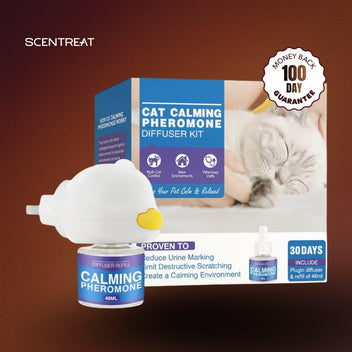
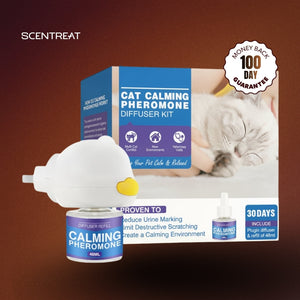
A plug-in pheromone diffuser for cats or dogs, with a 30-day vial in the box. It gently warms a vial of phe...
Phototoxic & Toxic Risks

Essential oils are highly concentrated plant extracts. Because of their strength, overuse or improper use may lead to irritation or discomfort.
Some oils may be more problematic in family settings:
Phototoxic Oils
Certain citrus oils — such as lemon, bergamot, lime, and grapefruit — can increase skin sensitivity to sunlight after topical use. This may raise the chance of redness, irritation, or sun reactions.
Strong or Potentially Toxic Oils
Some oils are considered too intense for children or pets, especially in enclosed spaces or high amounts. Examples often include tea tree, wintergreen, cinnamon, clove, and strong mint oils.
Understanding these differences helps families make safer choices.
Safe Essential Oils by Family Member
While every household is different, these oils are commonly chosen as gentler options when used carefully.
| Use Case | Safe Essential Oils | Notes |
|---|---|---|
| For Dogs | Myrrh, Frankincense, Chamomile, Lavender, Ginger, Rosemary | Always diffuse in a well-ventilated area. Avoid high concentrations. |
| For Cats | Frankincense, Lavender, Chamomile | Use with caution. Diffusion only. Never apply directly to fur or skin. |
| For Babies & Kids | Lavender, Roman Chamomile, Sweet Orange (diffusion only, well diluted) | Start with short diffusion sessions. Always keep oils out of reach. |
Helpful Tip: Introduce one oil at a time so it is easier to notice any sensitivities or reactions.
The oils above are the ones most often described as gentler choices in general aromatherapy and veterinary guidance — they are not an ASPCA-approved list. The ASPCA Animal Poison Control Center publishes which substances are toxic to pets, not which essential oils are safe, so check their list before introducing a new oil, and ask your own vet about your animal.

The Deep Sleep Ritual™ is a curated 6-oil set built for calm, restful nights. This 6-oil essential oil set ...
Essential Oil Safety Tips for Children, Pets, and Family Use
 Using essential oils safely at home is just as important as choosing the right oils. Children, pets, and sensitive family members may react more strongly to scents, so proper use helps create a safer environment. Follow these simple best practices for everyday aromatherapy.
1. Always Dilute Before Skin Use
Essential oils should not be applied directly to the skin without a carrier oil. Dilution helps lower the risk of irritation and sensitivity.
For children, keep blends at 0.5% to 1% dilution (about 1 to 2 drops per 10 ml carrier oil). For pets, topical use is generally best avoided unless guided by a qualified veterinarian.
2. Use Short Diffusion Sessions
Diffusion can be a gentle way to enjoy aromatherapy when used in moderation. Run a diffuser for 5 to 10 minutes, then turn it off and allow fresh air into the room.
Short sessions help reduce overexposure and are often enough for babies, children, and pets.
3. Choose High-Quality Oils
Buy 100% pure essential oils from trusted brands with clear labels and no synthetic fragrance, fillers, or unnecessary additives. Higher-quality oils are usually a safer choice for home use.
4. Watch for Sensitivity
Every child and pet responds differently. Stop use immediately if coughing, sneezing, skin redness, pacing, drooling, or discomfort appears. Increase ventilation and discontinue the oil if reactions occur.
5. Store Oils Securely
Keep bottles tightly closed and out of reach of children and pets. Store oils in a cool, dry place away from sunlight. Even small accidental ingestion may be harmful.
Signs of Essential Oil Poisoning in Pets and Children
Knowing what to look for can make the difference between a quick recovery and a serious health event. If you see any of the following, stop oil use, move the affected pet or child to fresh air, and contact emergency services immediately.
Watch for these symptoms:
- Tremors or muscle trembling — involuntary shaking that may worsen over time
- Incoordination or stumbling — loss of balance, wobbly gait, or an inability to walk normally
- Redness or chemical burns — on the skin, inside the mouth, or around the nose after direct contact
- Excessive drooling or vomiting
- Lethargy or sudden collapse
- Labored or rapid breathing
- Watery eyes, squinting, or pawing at the face
The ASPCA Animal Poison Control Center advises that ingestion of concentrated essential oils is a medical emergency. Consult your veterinarian and, if needed, contact the ASPCA Poison Control: 888-426-4435 or Pet Poison Helpline: 855-764-7661 right away.
For children, contact Poison Control (1-800-222-1222 in the US) and your pediatrician, or follow guidance from the American Academy of Pediatrics.
Safe vs Unsafe Essential Oils for Kids and Pets

If you are unsure where to start, focus on gentle oils that are commonly better tolerated. Use this quick guide to compare safer options with oils that need caution or avoidance.
Commonly Safer Choices
Lavender — calming and relaxing, ideal for bedtime routines.
Roman Chamomile — gentle and soothing for peaceful spaces.
Frankincense — grounding, mild, and suitable for daily diffuser use.
Sweet Orange — uplifting and cheerful when used in moderation.
Use With Extra Caution
Peppermint — not for children under 2. Menthol can trigger a reflexive slowing or brief pause in breathing in babies and toddlers, so under age 2 skip it entirely rather than simply using less. For older children, diffuse it briefly in a ventilated room, and keep it away from cats.
Eucalyptus — not for children under 2. Its main component, 1,8-cineole, can cause airway spasm and reflexive breath-holding in babies and toddlers, so under age 2 avoid it entirely rather than simply diffusing less. For older children and sensitive pets it can still irritate the airways, so keep sessions short and the room ventilated.
Citrus Oils Around Cats — use carefully with ventilation, as some cats are more sensitive.
Often Best Avoided — Especially Around Cats
Why cats are especially vulnerable: Unlike dogs and humans, cats lack the liver glucuronyl transferase enzyme responsible for metabolizing and excreting many aromatic compounds. This means oils that pass harmlessly through a dog's system can accumulate to toxic levels in a cat, even with low-level diffuser exposure over time.
- Tea tree (Melaleuca) — widely considered unsafe for pets; even small amounts can cause neurological symptoms in cats and dogs.
- Wintergreen — contains methyl salicylate, which is highly toxic to both cats and dogs.
- Cinnamon — may irritate skin and breathing passages; can cause liver damage in cats.
- Clove — contains eugenol, which cats cannot process; potentially toxic even in diffused amounts.
- Pine — the phenol compounds in pine oils are difficult for cats to metabolize and may cause liver stress.
- Pennyroyal — highly toxic; historically associated with serious liver damage and should never be used around pets.
- Sweet Birch — similar to wintergreen in composition; contains salicylates toxic to pets.
- Ylang-Ylang — may cause vomiting, lethargy, and difficulty breathing in cats and dogs.
The ASPCA Animal Poison Control Center maintains an up-to-date list of substances toxic to pets. When in doubt, check their resources before introducing a new oil into your home.
Quick Rule of Thumb
Choose gentle oils, use less than you think you need, diffuse briefly, and observe reactions closely. When unsure, keep it simple and mild — and always ensure your pet can freely leave the room.
Scentreat's Safe Aromatherapy Solutions
At Scentreat, we believe aromatherapy should bring comfort — not concern. Our family-focused collection is designed to help households enjoy essential oils more confidently.
- 100% pure essential oils with no synthetic additives
- Diffusers with adjustable mist settings and automatic shutoff
- Clear guidance for homes with babies, children, and pets
Explore our family-friendly diffuser collection and gentle single oils — a quieter, more considered way to bring aromatherapy into a home you share with little ones and pets.
A plug-in pheromone diffuser for cats or dogs, with a 30-day vial in the box. It gently warms a vial of phe...
Final Thoughts & FAQs

Essential oils can be a beautiful addition to your family's wellness routine. With knowledge, caution, and the right tools, you can enjoy the benefits of aromatherapy while keeping your children and pets safe. For infants specifically, Oils to Ease Infant Gas and Bloating goes further into what is and is not appropriate at that age.
The key is choosing the right oils, practicing proper dilution, and respecting sensitivities. Done mindfully, safe aromatherapy helps create a peaceful environment where every member of the family — from babies to furry friends — can feel at ease. Scentreat's Waterless Ceramic Night Light is rated for up to 40 hours per bottle of neat oil, or 6–8 hours in 120 ml liquid mode — but those are capacity figures, not a suggested session length. In a home with pets or young children, the 5 to 10 minute sessions described above still apply.
Safe aromatherapy is not only possible — with Scentreat, it's simple.
FAQs: Essential Oils for Pets and Kids
Q1: Can I apply essential oils directly to my pet's fur or skin?
No. Always dilute essential oils before topical use on dogs, and avoid direct application on cats. Cats should only be exposed to diffused oils — and even then, always let them leave the room.
Q2: Are essential oils safe for newborn babies?
For babies under three months, it is best to avoid essential oils altogether. Their skin and respiratory systems are too delicate.
Q3: Which essential oils should I absolutely avoid around pets?
Tea tree, wintergreen, cinnamon, clove, pine, pennyroyal, sweet birch and ylang-ylang should be avoided outright — they can be toxic to cats and dogs. Eucalyptus and citrus sit one step below that: not on the avoid-outright list, but some cats react noticeably to them, so keep sessions short, ventilate well, and let the animal leave the room. Cats are especially at risk because they lack a liver enzyme needed to break down many of these compounds.
Q4: Can I use essential oils in my baby's bath?
It is not recommended to add essential oils directly to bathwater as they do not mix well with water and may irritate the skin. If used, always dilute with a carrier oil first.
Q5: How do I know if my pet is reacting badly to essential oils?
Watch for tremors, incoordination, redness or burns on the skin or mouth, excessive drooling, vomiting, difficulty breathing, lethargy, or unsteady walking. If these occur, stop oil use immediately and contact your veterinarian or call Pet Poison Helpline: 855-764-7661 or ASPCA Poison Control: 888-426-4435.
Q6: Are diffusers safe to use daily?
Yes, but always in moderation. Use intermittent diffusion, ensure proper ventilation, and provide pets and children with the ability to leave the room.
Q7: What should I do if I suspect my pet has been poisoned by an essential oil?
Act immediately — remove your pet from the area, do not try to induce vomiting unless told to by a professional, and call Pet Poison Helpline (855-764-7661) or the ASPCA Animal Poison Control Center (888-426-4435). Bring the oil bottle with you to the vet so they know exactly what was involved.
Medically reviewed for accuracy. Sources: ASPCA Animal Poison Control Center; American Academy of Pediatrics — Poison Prevention; general veterinary guidance on feline hepatic glucuronidation deficiency.
Related read in Essential Oil 101:
- Essential Oil Substitutes List (20 Common) — Smarter Swaps
- Best Carrier Oils for Sensitive Skin — Soothing & Nourishing Guide
More Essential Oil Safety Guides
- Are Citrus Oils Safe in Sunlight?
- Best Carrier Oils for Sensitive Skin — Soothing & Nourishing Guide
- Diffusing Essential Oils Around Dogs: What's Actually Safe?
- Essential Oils Safe for Cats: What You Need to Know
- Essential Oils to Ease Baby's Gas Naturally — baby gas relief oils
- Natural Colic Relief: Safe Oils for Babies
- Oils to Ease Infant Gas and Bloating | Safe Baby Gas Essential Oils

