

Understanding Phototoxicity & Why It Matters

The short answer: Cold-pressed citrus oils — bergamot, lemon, lime, grapefruit, and bitter orange — contain naturally occurring compounds called furanocoumarins (notably bergapten) that react with UV light and can cause burns, blisters, or dark marks on skin. Avoid direct sun or tanning beds for 12–18 hours after any topical use. Bergapten-free (FCF) bergamot and steam-distilled citrus oils are photo-safe and a better choice for daytime use. Diffusion is the safest option for moms and babies — with one exception: for newborns under 3 months, skip essential oils in the nursery altogether unless a pediatric healthcare provider advises otherwise.
Phototoxicity is one risk among several; our guide to oils around pets and kids covers the rest.
Ever noticed a lemon slice on your skin leaving a faint mark after being in the sun? That's phototoxicity in action. Some citrus essential oils — especially when cold-pressed — contain furanocoumarins (like bergapten) that react with UV light, making skin extra sensitive and prone to burns, discoloration, or blisters.
Why moms should care:
- Pregnancy and postpartum skin can be more reactive than usual.
- Babies' skin is delicate and less able to recover from UV damage.
- With so many "DIY baby-safe" oil recipes online, understanding this risk helps prevent painful mistakes.
A tiny mistake — like applying undiluted lemon oil before heading outdoors — can lead to discomfort or even lasting marks. That's why safe practices matter. The good news: not all citrus oils are risky. With the right knowledge, you can still enjoy their energizing, joyful scents without worry.
How Does Phototoxicity Actually Work?
The mechanism: furanocoumarins are planar molecules that absorb UVA energy (320–400 nm). Once absorbed into the skin, they undergo a photochemical reaction that damages DNA in keratinocytes — the result is the same visible harm as a chemical burn: redness, blistering, and lasting hyperpigmentation. Bergapten (5-methoxypsoralen) is the primary furanocoumarin responsible for most reported citrus-oil reactions.
According to the National Center for Complementary and Integrative Health (NCCIH), topically applied essential oils can cause skin reactions, and some may increase sensitivity to sunlight. The reaction depends on the concentration applied, the individual's skin tone, and how much UV exposure follows.
This is why IFRA (the International Fragrance Association) caps leave-on bergamot use at 0.4% — a level you stay comfortably under with 1 drop in 30 ml of carrier oil. Going above this threshold significantly raises the risk of a reaction.
Citrus Essential Oils: Safe vs. Risky in Sunlight

Citrus oils are refreshing, energizing, and often used for mood balance. But not all citrus oils are safe on the skin under sunlight. Some contain furanocoumarins, natural compounds that react with UV rays and trigger phototoxicity — causing redness, irritation, or burns. Understanding which are risky and which are safe helps moms protect both themselves and their little ones.
Risky Citrus Oils (Cold-Pressed)
Phototoxic oils: Bergamot, Lemon, Lime, Grapefruit, Bitter Orange
Phototoxic Risk: High
These oils contain furanocoumarins that can react with UV light after being applied to the skin. Sun exposure may lead to redness, irritation, dark spots, or burn-like reactions — even at low concentrations if applied to sun-exposed skin.
Rule of thumb: avoid direct sunlight or tanning beds for 12–18 hours after topical use. Always dilute with a carrier oil. Best used at night or enjoyed through diffusion.
Safer Citrus Oils (Processed Options)
Included oils: Steam-distilled Lemon, Steam-distilled Lime, Steam-distilled Bergamot, Bergapten-free (FCF) Bergamot
Phototoxic Risk: Low
These oils are processed to reduce or remove phototoxic furanocoumarins, making them a better choice for daytime use. FCF bergamot (furanocoumarin-free) is specifically steam-processed to strip out bergapten while preserving the signature floral-citrus scent — a genuinely photo-safe alternative.
Check labels for steam-distilled, FCF, or bergapten-free when buying. Dilution is still recommended before any skin use.
Naturally Non-Phototoxic Citrus Oils
Includes: Sweet Orange, Mandarin, Tangerine
Phototoxic Risk: None under normal use
These oils are generally safe for normal sun exposure and are popular for daily skincare, family blends, and home aromatherapy. Their bright scent may help support mood, calmness, and relaxation.
Even with safer oils, proper dilution is still recommended — especially for sensitive skin or children.
Pro tip: Always dilute oils according to IFRA safety guidelines and avoid direct sun for 12–18 hours after using any phototoxic oil. Diffusion is the safest method for moms and babies — explore our 100% pure essential oils to find the right scent for your family.
 Pair it with 100% Pure Sweet Orange Essential Oil
$14.99
Pair it with 100% Pure Sweet Orange Essential Oil
$14.99
Practical Safety Tips for Moms & Babies When Using Citrus Oils

Essential oils are a wonderful tool for relaxation and emotional balance, but moms and babies require extra caution when using them, especially phototoxic citrus oils. By following practical safety measures, you can enjoy aromatherapy safely and effectively. We cover this further in Burnout Be Gone.
1. Dilute Properly Before Applying
Proper dilution is one of the most important safety steps when using citrus essential oils on skin. It helps reduce the risk of irritation, sensitivity, and phototoxic reactions.
For bergamot and similar oils, follow IFRA safety guidance of no more than 0.4% in leave-on products. This equals about 1 drop in 30 ml of carrier oil.
For babies and children:
- Do not apply citrus oils topically to infants under 3 months.
- For older babies (3 months+), dilute to 0.25% at most — and avoid sun for 24–48 hours after any topical use.
- • For toddlers and children, keep cold-pressed citrus oils at 0.25% or below. The 0.4% IFRA leave-on cap applies at every age, so the 1% dilution often quoted for children only fits the non-phototoxic citrus oils — sweet orange, mandarin, or tangerine. When in doubt, diffuse instead.
A simple mom-friendly rule: 1 drop per 1 oz carrier oil is a gentle starting point for adults.
2. Be Careful With Sun Exposure
Some citrus oils can react with UV light and may cause redness, burns, or skin sensitivity when exposed to the sun.
After applying phototoxic oils such as cold-pressed bergamot or lemon, avoid direct sunlight or tanning beds for 12 to 18 hours — and up to 48 hours if you applied a higher concentration.
Easy reminder: Sun + citrus oil on skin = no-go.
For daytime skin use, choose the naturally non-phototoxic citrus oils — sweet orange, mandarin, or tangerine — or steam-distilled and FCF versions instead.
3. Choose Diffusion for a Safer Option
Diffusing essential oils is one of the safest and gentlest ways to enjoy aromatherapy. It allows you to experience the aroma benefits without putting oils directly on the skin — so there's no UV reaction risk at all.
This method is ideal for moms, babies, nurseries, bedrooms, and relaxation spaces. One caveat unrelated to sunlight: cats cannot metabolize the monoterpenes in citrus oils the way we do, so if you have a cat, diffuse in a well-ventilated room and leave the door open so she can walk out of the scented air — and never apply citrus oil to her fur or skin. For how many drops to use, see our guide: How Many Drops to Add to a Diffuser.
Quick tip: Diffuse, don't apply — especially around little ones.
4. Keep Sun-Exposed Skin Oil-Free
If you plan to be outdoors, avoid applying citrus oils to exposed areas such as arms, legs, neck, or shoulders. This helps prevent irritation, pigmentation, or unwanted skin reactions.
Instead, apply oils only to covered skin or use rinse-off products like bath oils or shower blends.
Simple reminder: Cover up and stay safe.
Browse safer family-friendly oils and diffusers in the SCENTREAT essential oils collection.
5. Emergency: If Something Goes Wrong
If phototoxic oils contact the eyes or are accidentally ingested, or if someone experiences a severe skin reaction (blistering, intense burning), contact Poison Control: 1-800-222-1222 immediately. For localized skin reactions from sun exposure after topical use, rinse the area with cool water and avoid further sun exposure until healed.
Gentle Aromatherapy Solutions for Families

Creating a calm and nurturing home environment is especially important for moms, babies, and young children. Aromatherapy can beautifully support daily routines, but choosing gentle, non-phototoxic oils is key to avoiding irritation or unwanted reactions. This is particularly true with citrus oils — while their bright, uplifting aromas are beloved, some varieties carry a phototoxic risk when applied before sun exposure.
By prioritizing safe practices such as diffusion, selecting gentle oils, and using convenient wellness kits, families can enjoy the benefits of aromatherapy with confidence. These mindful choices not only enhance relaxation and emotional balance but also create shared moments of peace at home.
Here are the essential safe practices every mom should start with when introducing essential oils into family life:
- Opt for Diffusion: Diffusing essential oils is a safe and gentle way to enjoy aromatherapy without skin contact. Great for nurseries, bedrooms, or bedtime calm. For babies, keep sessions short (30–60 min), ensure ventilation, and leave the room door slightly open so the baby can leave the airspace naturally.
- Choose Gentle Oils: Family-friendly oils like lavender, chamomile, and sweet orange can help support relaxation and emotional balance. Perfect for evening routines and safe for most family members.
- Bundle Convenience: Ready-made essential oil kits save time and remove guesswork. An easy way for busy moms to enjoy calm every day.
 Pair it with 100% Pure Lemon Essential Oil
$14.99
Pair it with 100% Pure Lemon Essential Oil
$14.99
Real-Life Warning & How Scentreat Supports Safe Aromatherapy
Real-Life Warning: Bergamot Oil and Sun Exposure
A wellness enthusiast once shared her experience after using bergamot essential oil in a homemade facial serum. Although the oil had been diluted, she did not realize that bergamot contains naturally occurring phototoxic compounds — specifically bergapten. After spending only 30 minutes outdoors, her skin developed red streaks that looked similar to burns. Even after the irritation healed, light pigmentation marks remained for several months.
This case is an important reminder that even small amounts of phototoxic essential oils applied to sun-exposed skin may cause lasting skin reactions. With so many DIY skincare recipes online, these risks are often overlooked. That is why expert guidance and choosing safer options — such as bergapten-free (FCF) bergamot or steam-distilled citrus oils — are essential for responsible family use. If a phototoxic oil is the only one you have, swap it — the alternatives are in 20 Common Essential Oil Substitutes.
Case Study: Lemon Oil and Sunlight Reaction
Here is the scenario aromatherapy safety guidance warns about most often. A mother applies undiluted lemon essential oil to her forearms and then goes out for a walk. Within hours, her skin becomes red, blistered, and painful — the classic phototoxic reaction linked to the furanocoumarins in cold-pressed lemon oil. It is an illustrative example rather than a published case report, but the mechanism behind it is well documented. Diffusion sidesteps the problem entirely, because the oil never reaches the skin — there is nothing there for UV light to react with. Many people also find diffused sweet orange uplifting and relaxing, though the research behind those mood effects is still early and small in scale. Within hours, her skin became red, blistered, and painful — a classic phototoxic reaction linked to furanocoumarins commonly found in cold-pressed lemon oil.
In contrast, other mothers in the same maternity unit safely enjoyed sweet orange essential oil through diffusion during antenatal classes. They reported uplifted moods and relaxation benefits, with no skin reactions, since diffusion avoids direct contact between phototoxic compounds and UV exposure.
Scentreat's Safety Commitment
At Scentreat, safety comes first. We help families enjoy aromatherapy with confidence by offering:
- Steam-distilled and bergapten-free citrus oils
- A diffusion-first approach for safer everyday use
- Clear, family-friendly usage guidance
- 100% pure essential oils selected with wellness and safety in mind
Enjoy Citrus Oils Safely
Citrus essential oils can be bright, uplifting, and joyful when used correctly. By selecting the right oil type, applying it safely, and prioritizing diffusion, you can enjoy their benefits without unnecessary risk.
 Pair it with 100% Pure Bergamot Essential Oil
$14.99
Pair it with 100% Pure Bergamot Essential Oil
$14.99
Everything You Need to Know About Citrus Oils and Sun Exposure
Citrus essential oils are loved for their fresh, uplifting aromas, but many people do not realize that some citrus oils can increase skin sensitivity to sunlight. In this guide, you'll find the most common questions and clear answers about using citrus oils safely. Whether you are diffusing oils in a nursery, making a calming roll-on, or creating a relaxing home space, these tips can help you enjoy citrus oils with confidence.
Are Citrus Essential Oils Safe to Use Before Going Out in the Sun?
Some citrus oils such as lemon, bergamot, lime, and grapefruit may be phototoxic. This means they can make your skin more sensitive to UV rays and may increase the risk of redness, irritation, or burns. It is best to avoid direct sun exposure for at least 12 to 18 hours after applying these oils topically. For steam-distilled or FCF versions, the risk is much lower, but dilution is still recommended.
What Is Phototoxicity and Why Does It Matter With Citrus Oils?
Phototoxicity happens when furanocoumarins — naturally occurring compounds in some citrus oils — absorb UV energy and trigger a chemical reaction in the skin. The primary culprit is bergapten, which is especially concentrated in cold-pressed bergamot and lemon oils. This reaction may cause redness, stinging, blistering, or dark marks after sun exposure — even at low concentrations.
Can I Safely Diffuse Citrus Oils in the Sun?
Yes. Phototoxicity only happens when an oil is sitting on your skin as UV hits it, so sunlight makes no difference while you diffuse — indoors or out on a sunny patio — because the oil is dispersed into the air rather than applied to you. Diffusing citrus oils indoors can help create a fresh, uplifting atmosphere without phototoxic risk. Keep sessions to 30–60 minutes in well-ventilated spaces, especially around babies.
Are There Safe Alternatives to Citrus Oils for Skin Use in the Sun?
Yes. Safer alternatives include steam-distilled citrus oils or bergapten-free (FCF) bergamot, which are processed to reduce phototoxic compounds. Non-citrus oils such as lavender, chamomile, and frankincense are also popular options for daytime topical blends. Always patch test and dilute properly before use.
Is It Safe to Diffuse Citrus Oils Around My Newborn?
Diffusion is generally safer than topical use for newborns, but caution still applies. Avoid strong or prolonged diffusion sessions in enclosed nurseries — keep sessions to 30 minutes or less, ensure there is always ventilation, and leave the door slightly open so the baby can leave the airspace. For newborns under 3 months, it's wisest to avoid all essential oils in the nursery unless directed by a pediatric healthcare provider. Read our full guide: Safe Essential Oils for Pets & Kids.
How Can I Enjoy Citrus Oils Topically Without Sun Damage?
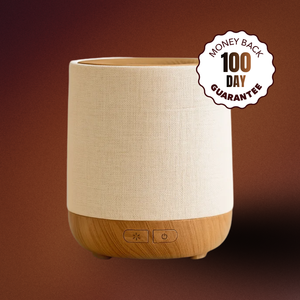
Use citrus oils at night or when staying indoors. Always dilute them with a carrier oil before applying to skin. If you plan to go outside, wait at least 12 to 18 hours after use, and consider sunscreen or protective clothing on treated areas. Another simple option is to enjoy citrus oils through diffusion instead of direct skin application. Diffusing avoids skin contact altogether: 7–9 drops in the 200 ml tank of Scentreat's Minimalist Wood Diffuser gives a light citrus scent, 9–13 a medium one.
Read more:

