

A bedroom can smell stale, musty, or just off — even when it looks clean. The most common culprits are dirty bedding, damp textiles, poor airflow, excess humidity, and your own body's overnight output. Identify the source first, fix it, then maintain freshness with consistent habits. Masking smells with sprays alone won't last.
Two related guides pick up where this one stops: if the smell is specifically musty, the method-by-method comparison is in best musty smell eliminators; if it started after you began diffusing, read why a room still smells bad after a diffuser.
The Real Reason Your Bedroom Doesn't Smell Fresh

If your bedroom never seems to smell as fresh as you'd like, the problem may not be what you think. Many people assume a lingering odor comes from one obvious source, but in reality, bedroom smells are often the result of several small issues working together. For the freshness angle on the same problem, see Why Does Your Bedroom Never Smell Fresh? Common Causes and Fixes.
For example, slightly damp towels, laundry waiting to be washed, bedding that needs refreshing, poor airflow, and humid conditions may each contribute a little to the overall smell of the room. Individually, they might not seem noticeable. Combined, they can make a bedroom feel stale, stuffy, or less inviting.
Another challenge is that many odor sources are hidden. Closets, shoes, rugs, upholstered furniture, and storage areas can all trap smells that gradually spread throughout the room. Even after cleaning, these lingering odors may continue to affect how fresh the space feels.
That's why getting rid of bedroom odors often requires more than simply adding fragrance. The most effective approach is identifying the source first, addressing any moisture or airflow issues, and then maintaining freshness with a consistent bedroom care routine.
In the sections below, we'll look at 14 common reasons your bedroom smells bad and some simple ways to fix each one.
The Most Common Bedroom Odor Sources — and the Easy Fix for Each
Below are the most common sources, each paired with a simple fix you can do today. They rarely act alone, so it is worth checking every one on the list — not just the obvious ones.
1. Dirty Bedding

Sheets, pillowcases, blankets, and comforters absorb sweat, body oils, and everyday odors. Over time, they can make an entire bedroom smell stale even if the room looks clean.
Easy fix: Wash sheets and pillowcases every week on the hottest cycle the fabric label allows — ideally 60 °C / 140 °F, the temperature that kills odor-causing bacteria cold cycles leave behind. Make sure everything is completely dry before putting it back on the bed.
2. Damp Towels

Towels that stay damp for too long can develop a musty smell that spreads throughout the room, especially during humid weather. For a closer look, read about What Happens If Your Bedroom Stays Humid for Too Long?.
Easy fix: Hang towels flat on a rack after use so they dry within 2–3 hours, and wash them at least every three uses.
3. Dirty Laundry

A laundry basket full of worn clothes can gradually affect how a bedroom smells. Sweat, moisture, and fabric odors tend to build up quickly.
Easy fix: Avoid letting laundry pile up for days at a time. A vented hamper in a closet — rather than open on the floor — helps contain odors.
4. Shoes Stored Indoors

Shoes naturally trap moisture and odors. When stored in closets or corners without ventilation, they can contribute to unpleasant smells.
Easy fix: Let shoes air out for at least 30 minutes before storing them, and consider cedar shoe inserts to absorb lingering moisture.
5. Poor Airflow

When fresh air can't circulate, odors become trapped and linger much longer than they normally would.
Easy fix: Open windows for at least 10–15 minutes each morning to flush out stale air that built up overnight.
6. Excess Humidity

Humidity allows fabrics and surfaces to retain moisture, which can make a room feel stale and heavy. As humidity climbs past 50% relative humidity, conditions become increasingly favorable for mold and mildew growth. The EPA recommends keeping indoor humidity below 60% — ideally between 30% and 50% — to discourage mold.
Easy fix: Run a dehumidifier to keep humidity below 50% RH, especially in summer or in rooms with poor ventilation. A small hygrometer (under $15) takes the guesswork out of monitoring levels.
7. Pet Beds and Blankets

Even well-groomed pets can leave odors behind on bedding, blankets, and furniture.
Easy fix: Wash pet fabrics weekly and keep sleeping areas clean. Between washes, sprinkle baking soda on the pet bed, leave it for 15 minutes, then vacuum it off — it neutralizes odor without any chemicals.
8. Overfilled Trash Bins

Small trash bins can start producing odors faster than many people realize, especially if tissues, food packaging, or other waste accumulates.
Easy fix: Empty bins every 2–3 days and give the liner a quick wipe with a damp cloth weekly.
9. Carpets and Rugs

Rugs can trap dust, moisture, pet dander, and everyday odors deep within their fibers.
Easy fix: Vacuum thoroughly twice a week. For deeper odors, sprinkle baking soda generously over the carpet, leave it for 20–30 minutes, then vacuum — it draws out odor molecules from the fibers before they can settle.
10. Upholstered Furniture

Fabric headboards, chairs, and benches can absorb odors just like bedding does.
Easy fix: Vacuum fabric surfaces monthly and allow them to air out near an open window periodically.
11. Dust and Dirty Air Vents

Dust buildup can create stale smells while also reducing airflow throughout the room.
Easy fix: Clean vents, fans, and dusty surfaces monthly. Replace HVAC filters on schedule — a clogged filter recirculates the same stale air.
12. Cluttered Closets and Storage Areas

Closets often trap odors because air doesn't circulate well inside enclosed spaces.
Easy fix: Organize storage areas and allow more airflow around clothing and fabrics. A small activated-charcoal sachet on the shelf absorbs moisture and odor without any scent.
13. Covering Odors Instead of Fixing Them

One of the biggest mistakes is trying to hide odors before finding the source. Air fresheners may temporarily mask smells, but the underlying issue usually remains.
Easy fix: Eliminate odor sources first. Once the room is clean and dry, many people use a quiet diffuser as part of their regular bedroom routine to help maintain a fresher atmosphere between cleanings.
If an animal sleeps in here too, the door needs to stay ajar: cats metabolize essential oil compounds far more slowly than people do, so being able to leave the room is the real safeguard. The enzyme gap does not apply to dogs, but keep the bottles out of reach and never put oil straight onto a pet — licking it back off is what does the real harm.
14. Your Own Body Overnight
This is the cause most people never think about — and it happens every single night. During a typical night's sleep, your body releases sweat (the average adult can perspire 100–200 ml overnight), sheds dead skin cells, and exhales CO2-rich air. Skin sebum transfers to pillowcases. Morning breath compounds the effect. Together, these byproducts accumulate in bedding and in the air itself.
Easy fix: Open the window or run a fan for 10 minutes right after waking to flush overnight CO2 and humidity. Strip and wash bedding on the hottest cycle recommended for the fabric at least once a week. Showering in the evening rather than just in the morning can noticeably reduce how much sweat and sebum transfers to sheets overnight.
How to Keep Bedroom Odors From Coming Back

Getting rid of bedroom odors is one thing—keeping them from returning is often the bigger challenge. The key is creating simple habits that prevent smells from building up in the first place.
Keep Fabrics Clean and Dry
Most bedroom odors are trapped in fabrics. Bedding, towels, clothing, rugs, and upholstered furniture can all hold moisture and odors over time.
Helpful habits:
- Wash sheets weekly in hot water
- Avoid leaving damp towels in the room
- Keep dirty laundry from piling up
- Make sure fabrics are completely dry before storing them
Improve Airflow
Fresh air helps remove odors before they have a chance to linger.
Helpful habits:
- Open windows each morning to clear overnight air
- Keep air circulating throughout the room
- Air out bedding periodically
- Avoid keeping the bedroom closed all day
Control Humidity
Aim to keep your bedroom below 50% relative humidity year-round. A dehumidifier is the most reliable way to hit that target in humid climates or during summer months. If you're also considering adding fragrance, keep in mind that an ultrasonic diffuser releases a little moisture along with the scent — far less than a humidifier, but in a bedroom that already runs damp, get the dehumidifier working first. Our guide to diffuser vs humidifier explains the difference.
Don't Ignore Hidden Areas
Closets, storage spaces, shoes, and laundry hampers are common places where odors develop unnoticed.
Helpful habits:
- Check storage areas regularly
- Organize cluttered spaces
- Clean out closets periodically
- Remove items that may be trapping odors
Maintain Freshness Between Cleanings
Once the sources are gone, the goal shifts from removing smells to keeping the room pleasant until the next wash day. This is where a diffuser fits in — it is not masking anything, because there is nothing left to mask. Many people run one in the evening as part of winding down, alongside the morning airing-out habit above. See our full guide to how to keep a bedroom smelling fresh for a step-by-step approach.
 Pair it with 100% Pure Lavender Essential Oil
$14.99
Pair it with 100% Pure Lavender Essential Oil
$14.99
Signs Your Bedroom Needs More Than Just Cleaning

Sometimes the problem isn't that your bedroom needs another round of cleaning. If odors keep returning despite your efforts, there may be other factors affecting the room's overall freshness.
The Smell Keeps Coming Back
If your bedroom smells fresh right after cleaning but becomes stale again within a day or two, there's likely an underlying source that hasn't been fully addressed.
Odors Get Worse During Humid Weather
A room that smells noticeably worse on rainy or humid days may be dealing with excess moisture, limited airflow, or fabrics that are holding onto odors. Learn more about the causes of a musty bedroom smell and how to clear it.
Certain Areas Smell Stronger Than Others
If closets, corners, laundry areas, or spaces near the bed smell stronger than the rest of the room, those locations may be trapping odors that gradually spread throughout the space.
Air Fresheners Only Help Temporarily
If room sprays or candles only improve the smell for a short time, the issue may be deeper than surface-level fragrance. Freshness usually lasts longer when odor sources, airflow, and moisture are addressed first.
The Room Feels Clean but Doesn't Feel Fresh
This is often a sign that the room could benefit from a more consistent freshness routine. Once cleaning and odor control are handled, many people use a diffuser to help maintain a pleasant atmosphere between cleaning days. A subtle, continuous fragrance can often make a bedroom feel more welcoming than occasional bursts of scent. We cover this further in Ask a Fragrance Expert.
Pair it with 100% Pure Lavender Essential Oil
$14.99
Why Many People Use a Diffuser as Part of Their Routine

Once bedroom odors have been addressed, many people focus on maintaining freshness rather than constantly trying to eliminate smells after they appear. This is one reason diffusers have become a popular part of everyday bedroom routines.
Helps Create a More Consistent Atmosphere
A bedroom can feel noticeably different from one day to the next. Freshly washed bedding may smell great at first, but that feeling often fades over time.
Many people use a diffuser to help maintain a more consistent scent experience throughout the week, creating a space that feels comfortable and welcoming even between cleaning days.
Complements a Clean Bedroom Routine
A diffuser works best when it's part of an overall freshness routine rather than a replacement for cleaning.
After improving airflow, reducing humidity, and addressing odor sources, a diffuser can help reinforce the clean, inviting atmosphere you've already created. Want to see how far this idea can go? Our guide on why luxury hotels smell so good explains how professional spaces use continuous diffusion to create exactly that effect.
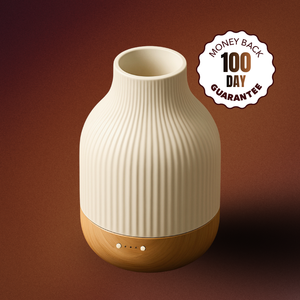
Scentreat Ceramic & Rubber Wood Diffuser

The Scentreat Ceramic & Rubber Wood Diffuser is designed for people who want a simple, reliable way to enjoy fragrance in their home. Using ultrasonic technology, it disperses fragrance gradually while operating quietly, making it suitable for bedrooms, guest rooms, and other everyday living spaces.
Its combination of natural rubber wood and ceramic materials gives it a timeless look that fits comfortably into a wide range of interior styles.
Why It Fits Bedroom Spaces Well
Many bedrooms benefit from subtle fragrance rather than strong bursts of scent.
The Scentreat diffuser is often chosen because it:
- Helps maintain a steady fragrance experience
- Operates quietly for everyday use
- Works with a variety of fragrance profiles
- Complements both modern and traditional interiors
- Fits easily on nightstands, dressers, and shelves
Building a Long-Term Freshness Routine
The goal isn't simply to make a room smell stronger. For many people, it's about creating a bedroom that feels consistently clean, comfortable, and inviting.
If you're looking for an easy way to support that routine, explore the SCENTREAT essential oil diffuser collection to find a diffuser that fits your space. You can also browse SCENTREAT's 100% pure essential oils to discover fragrance profiles that help create a fresher, more welcoming bedroom atmosphere day after day.
Conclusion
Bedroom odors can come from many different sources, including bedding, laundry, humidity, poor airflow, and your own body overnight. By identifying the cause and building better daily habits, it's possible to create a fresher and more comfortable space. Scentreat helps support that routine with diffuser and fragrance solutions designed for everyday bedroom freshness.
Pair it with 100% Pure Lavender Essential Oil
$14.99
More Bedroom Freshness Guides
- Why Do Luxury Hotels Smell So Good?
- How to Get Rid of a Musty Bedroom Smell
- How to Keep a Bedroom Smelling Fresh
Frequently Asked Questions
Why does my bedroom smell bad even when it's clean?
Odors can remain trapped in bedding, rugs, closets, laundry baskets, and other fabrics even after the room has been cleaned. The most overlooked source is the body itself — overnight sweat, shed skin cells, and exhaled CO2 accumulate in sheets and in the air while you sleep.
Can humidity make a bedroom smell worse?
Yes. Excess humidity allows fabrics to retain moisture and can make existing odors more noticeable. It also creates conditions where mold and mildew can develop, adding a musty undertone to the room. The EPA recommends keeping indoor humidity below 60% — ideally between 30% and 50% — to discourage mold growth.
How often should I wash my bedding?
Many people wash sheets and pillowcases weekly, while blankets and comforters are cleaned less frequently depending on use. For odor control specifically, a weekly hot-water wash (60 °C / 140 °F) for sheets and pillowcases is the most effective single habit you can build.
What's the most common cause of bedroom odors?
Usually it isn't one cause but several at once. The sources that show up most often are dirty bedding, damp fabrics, poor airflow, humidity, and piled-up laundry — and the body's own overnight output (sweat, CO2, and skin oils) feeds several of them, which is why it's so easy to overlook.
Can a diffuser help with bedroom odors?
A diffuser can help maintain a pleasant fragrance after odor sources have been addressed, but it works best as part of a complete freshness routine — not as a replacement for cleaning and ventilation.
Why does my bedroom smell worse in the morning?
Overnight, your body releases sweat, exhales CO2, and sheds skin oils into the air and bedding. The room is also closed during sleep, so odors and moisture accumulate without fresh air to dilute them. Opening a window or running a fan for 10 minutes right after waking clears most of this quickly.
Can mold cause a musty bedroom smell?
Yes. Mold and mildew produce musty, earthy-smelling compounds called microbial volatile organic compounds (MVOCs). Even small patches of mold — behind furniture, under rugs, or inside closets — can be enough to affect how the whole room smells. If the musty odor returns quickly after cleaning, check hidden areas for moisture and consider a dehumidifier. See our deeper dive on musty bedroom smells for more.

