

Musty bedroom smell is almost always caused by mold or mildew — fungi that begin colonizing damp surfaces within 24–48 hours when relative humidity climbs above 60%. Controlling humidity (the EPA recommends keeping indoor RH between 30–50%), improving airflow, and treating affected surfaces stops the smell at the source rather than covering it up. Read on for what's actually growing in your room, how to clean it, and when to bring in a pro.
In this article
What Is the Musty Smell — Mold, Mildew, or Something Else?

That earthy, damp odor has a specific biological cause: mold and mildew. Both are fungi that release volatile organic compounds (VOCs) as they digest damp organic material — fabrics, wood, drywall, dust. The smell itself is a metabolic byproduct, not just stale air.
Mildew (surface fungi like Aspergillus or Penicillium) tends to grow on flat, damp surfaces — windowsills, grout, the back of a mattress. Mold penetrates deeper into materials and is harder to remove. Both can begin growing within 24–48 hours on a surface where moisture has settled, according to the EPA's guidance on mold.
Bedrooms are particularly vulnerable because they're full of porous, moisture-holding materials: mattresses, pillows, carpet, curtains, and wood furniture. When humidity stays elevated — especially during warm or rainy seasons — these surfaces become ideal growing conditions.
For a broader look at what makes sleeping spaces go stale, see our guide to Why Does Your Bedroom Never Smell Fresh? Common Causes and Fixes.
 Pair it with Lavender Essential Oil - 100% Pure
$14.99
Pair it with Lavender Essential Oil - 100% Pure
$14.99
Why Bedrooms Smell Musty in Humid Weather

The EPA recommends keeping indoor relative humidity between 30–50% to discourage mold growth. Above 60% RH, mold can begin colonizing damp surfaces quickly — and most bedrooms with closed windows during summer or rainy weather routinely reach that threshold.
Warm air holds more moisture than cool air. When humid outdoor air enters a room and meets cooler surfaces — walls near windows, the underside of a mattress, inside a closet — it deposits that moisture. Over days and weeks, that creates the perfect microclimate for mildew.
Closed windows, crowded furniture blocking airflow, and soft materials that hold moisture all compound the problem. This is why damp smell in master bedroom spaces often gets worse over the summer and then seems to "reset" in autumn when the air dries out — only to return next year if the underlying humidity issue isn't addressed.
Related reading: Why Closets Smell Musty in Summer — closets are often the hidden source spreading odor into the rest of the bedroom.
Common Sources of Musty Bedroom Odors

Musty bedroom smells often come from hidden moisture trapped inside everyday fabrics and enclosed areas around the room. In humid weather, these odors may slowly build up even when the bedroom appears clean on the surface.
Bedding and Mattresses
Bedding is one of the most common sources of musty bedroom smell because sheets, pillows, comforters, and mattresses absorb humidity gradually over time. Mattresses are especially problematic — their foam and fabric layers trap body moisture every night, and they're rarely dried out properly. For more on bedroom freshness, see our guide to Common Reasons Your Bedroom Smells Bad.
Carpets, Curtains, and Upholstered Fabrics
Carpets and rugs act like sponges — they absorb moisture, trap dust and skin cells, and provide food for mildew. Curtains that hang near windows where condensation forms are similarly at risk. Hard floors and washable blinds are far easier to keep mold-free than carpet or heavy drapes.
Closets and Hidden Storage Areas
Closets have limited airflow, which means moisture lingers longer. Packed-in clothing, boxes on the floor, and items stored directly against an exterior wall are the most common culprits behind mildew smell in kids bedroom spaces and guest rooms.
Walls, Ceilings, and Hidden Leaks
If the musty smell is strongest in one corner or near a window, look for water damage. Mold often grows inside walls, behind baseboards, or under flooring — invisible but producing a persistent odor. A slow roof or plumbing leak can silently feed mold growth for months.
How to Deodorize a Musty Bedroom: Surface Treatment With Dwell Time

Masking odor with spray fresheners doesn't work because the mold is still there. The fix is treating the surface, reducing moisture, and giving cleaning agents time to work — what professionals call "dwell time."
Step 1 — Baking Soda on Soft Surfaces (30–60 minutes)
Sprinkle a generous layer of baking soda over carpets and the mattress surface. Leave it for 30–60 minutes (longer for heavier odors), then vacuum thoroughly. Baking soda is alkaline and neutralizes the acidic VOCs that mold releases. Repeat monthly during humid seasons.
Step 2 — White Vinegar on Hard Surfaces (10-minute dwell)
For hard surfaces — windowsills, baseboards, the inside of closet shelves — apply undiluted white vinegar and let it sit for at least 10 minutes before wiping. Vinegar's acidity kills many surface mold species. Don't rinse; let it dry. Note: vinegar is effective for surface mildew but is not a registered disinfectant for heavy mold infestations.
Step 3 — Enzyme Cleaner for Upholstery and Mattresses
For upholstered surfaces and mattress seams, an enzyme-based cleaner breaks down the organic matter mold feeds on. Spray, allow the recommended dwell time on the label (usually 5–15 minutes), then blot dry. Enzyme cleaners are especially effective for mildew smell in kids bedroom fabrics that can't be machine-washed easily.
Step 4 — Wash All Washable Fabrics
Sheets, pillowcases, blankets, curtains, and any soft fabrics you can reach should go through the wash. For musty-smelling laundry, add half a cup of white vinegar to the rinse cycle — it strips residual mildew odor that regular detergent alone often misses.
Step 5 — Activate a Dehumidifier and Monitor RH
None of the above will last if humidity stays above 60%. A dehumidifier set to keep the room at 30–50% RH (the EPA target) removes the moisture mold needs to regrow. A basic hygrometer (under $15 at most hardware stores) lets you see exactly where your room is sitting.
Why Bedroom Odors Return Even After Cleaning

If the smell comes back within a few days of cleaning, the moisture source hasn't been removed. Surface treatment only works when it's paired with humidity control. Here are the most common reasons the smell returns:
The Humidity Source Is Still Active
If your room consistently reads above 60% RH on a hygrometer, mold will regrow even on freshly treated surfaces. A dehumidifier, better ventilation (open windows in the morning when outdoor air is drier), or a bathroom exhaust fan can all help lower the baseline.
Mold Is Growing Behind Walls or Under Flooring
Surface cleaning can't reach mold growing inside wall cavities or under carpet padding. If you've cleaned thoroughly and the smell persists, check for hidden moisture with a moisture meter along walls and floors near the smell's origin point.
The Closet Is the Real Source
Closets stay darker and less ventilated than the main room. Mold can establish in a closet and spread odor into the entire bedroom. Explore what's really happening in there in our guide: Why Closets Smell Musty in Summer.
Fragrance Is Masking Rather Than Treating
Strong sprays and candles may temporarily override the smell, but they do nothing about the mold. Once the fragrance fades, the musty odor returns. Scent should come after treatment, not instead of it.
Nightly Habits That Help Keep Bedrooms Fresh

Small consistent habits prevent the problem from building up between deep cleans. These are the highest-leverage ones:
- Air out the room for 10–15 minutes each morning. Morning air is typically drier than nighttime air; opening windows briefly helps flush overnight moisture buildup.
- Pull back the bedding. Don't make the bed immediately after waking. Let the mattress surface air out for 20–30 minutes so body moisture can evaporate.
- No damp fabrics overnight. Wet towels, gym clothes, or damp laundry baskets in the bedroom add measurable moisture to the air.
- Keep closet doors slightly open. This allows air circulation and prevents the temperature and humidity differential that encourages condensation inside closets.
- Wash pillowcases weekly. Pillowcases absorb sweat and skin oils nightly — they're among the fastest sources of fabric odor buildup.
For a full toolkit of freshness strategies, see our cluster guide: Best Musty Smell Eliminators.
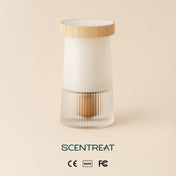
Waterless ceramic diffuser and night light in one. No water, no refilling, no spills — just add oil. Compac...
When to Call a Mold Remediation Professional
DIY cleaning works well for surface mildew and mild musty odor. But some situations call for a professional:
- Visible mold patch larger than 10 square feet — the EPA recommends professional remediation at this scale.
- Smell persists after thorough cleaning and humidity control — this usually means mold is inside walls, under flooring, or in the HVAC system.
- Musty smell after a water event (flood, burst pipe, roof leak) — mold can colonize hidden building materials within 24–48 hours of water exposure.
- Respiratory symptoms or worsening allergies in people who sleep in the room — see a doctor if symptoms like persistent coughing, nasal congestion, or throat irritation develop when spending time in the bedroom. Ongoing mold exposure can irritate airways, especially in people with asthma or sensitivities.
For guidance on mold health effects and when professional assessment is warranted, the EPA's mold resources are a reliable starting point.
For a broader look at how to maintain fresh air throughout your home, see our pillar post: How to Keep a Bedroom Smelling Fresh.
Adding Scent — After You've Addressed the Moisture

Once humidity is under control and surfaces are clean, a diffuser can support a consistently fresher environment — not as a mask, but as the finishing layer. Oils like eucalyptus, peppermint, and lavender have a clean, airy quality that works particularly well in bedrooms that have historically smelled damp.
The Ceramic & Rubber Wood Diffuser ($89.95) disperses oil in a fine cool mist — no heat, a ceramic and rubber wood exterior — so the scent stays light and doesn't compete with other room smells. Its quiet operation makes it well-suited for overnight use after the room has been properly aired out.
If you want to explore oil options, the Fresh & Clean collection is a good starting point for bedroom-appropriate scents. Or browse all 100% pure essential oils to build your own combination.

Ceramic ultrasonic diffuser for the bedside: ~30 dB, 180 ml tank, auto shut-off and a soft glow you can tur...
Conclusion
Musty bedroom smell is a mold and mildew problem first, and a freshness problem second. Treat the surfaces (baking soda, vinegar, enzyme cleaner — with proper dwell time), control the humidity (30–50% RH per EPA guidance), and fix any hidden moisture sources before reaching for fragrance. If the smell persists after all of that, bring in a professional — mold inside walls won't respond to surface sprays. Scent diffusion works best as the final layer, once the underlying biology is handled. Once the damp is dealt with, Scentreat's Ceramic & Rubber Wood Diffuser holds a 30 m² (320 sq ft) bedroom on a 180 ml tank, at about 30 dB by independent laboratory measurement.
Frequently Asked Questions
Why does my bedroom smell musty in humid weather?
High humidity (above 60% RH) allows mold and mildew to grow on damp surfaces within 24–48 hours. Bedrooms are full of porous fabrics — mattresses, carpets, curtains — that absorb and hold that moisture. The EPA recommends keeping indoor humidity between 30–50% to prevent fungal growth.
How do I deodorize a musty bedroom naturally?
The most effective natural approach combines baking soda on soft surfaces (leave for 30–60 minutes, then vacuum), white vinegar on hard surfaces (10-minute dwell before wiping), and an enzyme cleaner for upholstery. Pair surface treatment with a dehumidifier to stop mold from regrowing.
Why does my bedroom still smell musty after cleaning?
If the smell returns quickly, the moisture source hasn't been removed. Check your room's relative humidity with a hygrometer — if it's above 60%, mold will regrow on treated surfaces. Also check for hidden leaks, mold inside closets, and moisture under carpets or behind walls. A dehumidifier targeting 30–50% RH is often the missing step.
What causes damp smell in master bedroom spaces?
Poor ventilation, moisture absorbed into mattresses and fabrics, closets with limited airflow, and humidity above 60% RH are the most common causes. Hidden sources like a slow roof leak, condensation near windows, or mold behind a wall can also be responsible if the smell is localized to one area.
Why does mildew smell develop in kids bedrooms?
Soft toys, carpets, bedding, laundry baskets, and limited airflow in smaller rooms make it easier for moisture to accumulate. Kids' rooms often have heavier carpet and more fabric toys than adult bedrooms, giving mildew more surfaces to colonize. Regular carpet treatment with baking soda and humidity control are the most reliable fixes.
When should I call a mold professional?
If you see visible mold covering more than 10 square feet, if the smell persists after thorough cleaning and humidity control, or if anyone in the household develops respiratory symptoms when spending time in the room, professional assessment is warranted. The EPA recommends professional remediation for large mold areas and for mold following water damage events.
Can essential oil diffusers help with musty bedroom smell?
Yes — but only after the mold and humidity problem is addressed. A diffuser adds a clean, fresh scent layer to a room that's already been treated and dehumidified. It doesn't kill mold or lower humidity on its own. Oils like eucalyptus, peppermint, and lavender work especially well for that clean bedroom feeling.

