

Cabinet musty smells come from trapped moisture and mildew — not just old air. The most common causes are high indoor humidity (above 50% RH), slow plumbing leaks, and porous wood absorbing damp air over time. The good news: a vinegar wipe, activated charcoal, and a bit of airflow can usually clear the smell within a day or two.
For a wider look at where household mustiness hides, read Common Reasons Your Bedroom Smells Bad — the same root causes apply to cabinets.
What Causes a Musty Smell in Cabinets?

Musty cabinet smells are almost always a moisture story. When humidity sits above 50% RH inside an enclosed space, mildew — a surface fungus — can begin to grow within 24–48 hours on wood, shelf liners, and organic residue. The smell you notice is microbial off-gassing from that process.
The Main Causes
- Trapped moisture and high humidity — kitchens and bathrooms regularly push indoor RH above 60%. Enclosed cabinets trap that air, keeping surfaces damp long after you've left the room.
- Mildew growth on porous wood — plywood, particleboard, and unfinished wood are porous. Mildew colonizes the surface layer and produces that characteristic earthy, musty odor.
- Hidden water leaks — a slow drip under the sink can soak cabinet wood for weeks before you notice warping or staining. The smell often arrives first.
- Lack of airflow — stagnant air lets humidity settle. Cabinets on exterior walls or in poorly ventilated rooms are especially vulnerable.
- Absorbed odors from stored items — damp towels, cardboard, expired spices, and cleaning cloths all off-gas into the enclosed space over time.
Once you understand the cause, the fix becomes straightforward: remove the moisture source, clean the mildew, and keep humidity in the 30–50% RH range going forward.
3 Hidden Causes Worth Checking

1. Slow Plumbing Leaks Under the Sink
A joint that weeps just a few drops per day is enough to keep cabinet wood perpetually damp. Check the P-trap, supply lines, and any compression fittings for moisture rings or mineral deposits. Feel along the cabinet floor and back wall — soft or discolored wood is a red flag.
If the musty smell is concentrated under a sink cabinet and cleaning doesn't resolve it within a few days, inspect for a slow pipe leak or water damage inside the cabinet walls. Ongoing hidden moisture usually requires professional repair — not just a re-clean. If you suspect water damage behind walls, a plumber or contractor can assess with a moisture meter.
For more on how indoor humidity affects your whole home, see What Happens If Your Bedroom Stays Humid for Too Long.
2. Mildew Inside Porous Materials
The smell isn't always on the surface. Plywood and particleboard absorb moisture into their fiber structure; mildew can grow a few millimeters deep. Surface wiping may remove visible growth but leave the odor source intact. That's why drying completely — and sometimes replacing shelf liners or the affected board — matters more than just cleaning.
Cabinets near dishwashers, washing machines, or bathroom sinks cycle through the most humidity swings, so they tend to show this pattern first.
3. Poor Airflow and Stagnant Humid Air
Even without any leak, cabinets on exterior walls or in basements can develop mildew simply from condensation. Warm indoor air meets a cooler surface, drops its moisture, and the cycle repeats. Improving airflow — even something as simple as leaving doors ajar regularly — breaks this pattern. Keeping indoor RH between 30–50% with a dehumidifier or air conditioning makes the biggest sustained difference.
Quick Fixes — With Dwell Times

Empty the cabinet first, then work through these steps in order. Each one addresses a different layer of the problem. If there is visible mildew growth, open a window, wear rubber gloves and consider an N95 mask while you clean — disturbing a colony releases spores, which matters most if anyone in the house has asthma or a mold allergy.
Step 1: Vinegar Wipe (15–20 minute dwell)
Spray undiluted white vinegar across all interior surfaces — shelves, walls, door panel, and corners. Let it sit for 15–20 minutes before wiping dry. The acetic acid drops the surface pH low enough to knock back the mildew itself, and the wipe lifts the colony away — since the musty smell is gas given off by living mildew, removing the growth is what removes the odor. Air the cabinet for at least an hour after wiping.
For kitchen cabinets with food or grease residue, follow the vinegar wipe with a warm soapy wash, then dry thoroughly.
Step 2: Baking Soda — Leave Overnight
Place an open box or shallow dish of baking soda inside the clean, dry cabinet. Leave it for 8–24 hours. Sodium bicarbonate is a mild base that adsorbs odor molecules from the cabinet air and from the wood surfaces they cling to. Replace it monthly if the cabinet tends to get humid.
Step 3: Activated Charcoal — Ongoing Absorber
Activated charcoal (also called activated carbon) has a highly porous structure that traps VOCs and moisture-related odor compounds. Place a small bag or container inside the cabinet. One bag typically remains effective for 1–3 months before needing to be refreshed in sunlight or replaced.
Step 4: Silica Gel and Cedar
Silica gel packets absorb excess moisture directly from the air inside the cabinet, helping keep RH low enough to prevent mildew from returning. Cedar blocks add a mild, clean scent; aromatic cedar has a long history in closets and drawers, though that reputation rests on scent and insect deterrence rather than on any demonstrated effect on mildew inside a cabinet. Both are good ongoing additions after the initial deep clean.
Step 5: Improve Airflow
Leave cabinet doors open for a few hours after cooking or showering. Run an exhaust fan. If indoor humidity is consistently above 50% RH, a small dehumidifier in the room makes a lasting difference. The EPA recommends maintaining indoor relative humidity between 30–50% to inhibit mold and mildew growth — see EPA: Mold and Moisture Basics for more detail.
Cabinet Cleanout Checklist
Use this as your step-by-step when the smell has built up over time:
- Empty completely — check rear corners and under-shelf edges for mildew staining or damp spots.
- Vinegar spray — undiluted, 15–20 minute dwell, then wipe dry.
- Full dry-out — leave doors open for several hours. Use a fan to speed this up.
- Remove odor-holding materials — replace old shelf liners, damp cardboard, expired products.
- Add absorbers — baking soda (overnight), silica gel, cedar blocks, or activated charcoal.
- Return only dry items — damp containers or towels will restart the cycle.
This routine also applies to bathroom medicine cabinets and linen closets — the same humidity dynamics are at play. For closet-specific tips, see Why Closets Smell Musty in Summer.
 Pair it with 100% Pure Lavender Essential Oil
$14.99
Pair it with 100% Pure Lavender Essential Oil
$14.99
Can Essential Oils Help Reduce Musty Cabinet Smells?

Essential oils won't fix moisture — but once you've cleaned and dried the cabinet, they can help the surrounding space smell genuinely fresh rather than just neutral. Lighter oils with antimicrobial properties are the best fit here: tea tree (contains terpinen-4-ol), eucalyptus (eucalyptol), and lemon (d-limonene) are commonly used in DIY cleaning sprays for exactly this reason.
A diffuser placed in the kitchen or bathroom — not inside the cabinet — disperses these oils into the broader room air, which helps keep the general environment smelling cleaner between cleaning sessions. One safety note before you switch it on: cats lack the liver enzyme needed to process the phenols and monoterpenes in tea tree, eucalyptus and citrus oils, and dogs should never be allowed to lick neat tea tree, so diffuse only in a ventilated room and always leave a door open so a pet can walk out. Skip eucalyptus and peppermint altogether around children under two. The Fresh & Clean collection has oils suited for this.
For a deeper look at how to keep the air in your space genuinely fresh — not just masked — read How to Keep a Bedroom Smelling Fresh.
 Pair it with 100% Pure Lemon Essential Oil
$14.99
Pair it with 100% Pure Lemon Essential Oil
$14.99
Why Choose Scentreat for Everyday Home Fragrance?

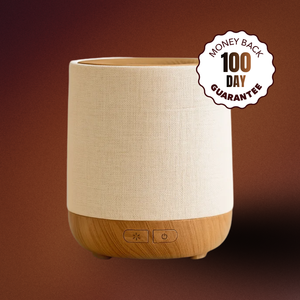
Once your cabinets are clean and dry, the right diffuser makes the ongoing routine easier. The Ceramic & Rubber Wood Diffuser uses ultrasonic mist to disperse essential oils gradually — no heat, no flame, no overpowering burst. It works quietly in the background in kitchens, bathrooms, and laundry areas where stale odors tend to build up most.
It pairs well with clean, light oils: lemon, eucalyptus, peppermint, tea tree, and lavender. You can browse all 100% pure essential oils to find the right fit for your space.
For a softer approach — fragrance that supports a cleaner home without masking problems — explore the full range of ultrasonic diffusers for a calmer home.
Conclusion
Musty cabinet smells come down to three things: moisture source, mildew surface growth, and trapped airflow. Fix all three — vinegar wipe with a 15–20 minute dwell, baking soda or activated charcoal as absorbers, and indoor RH kept at 30–50% — and the smell usually doesn't come back. For a fresher home overall, a Scentreat diffuser with light clean oils helps maintain the atmosphere between deep-cleans. A cabinet is far below the 30 m² (320 sq ft) Scentreat rates the Ceramic & Rubber Wood Diffuser for — run it in the room, not inside the cupboard.
Frequently Asked Questions
Why do cabinets develop musty smells?
Musty cabinet odors are usually caused by trapped moisture, humidity above 50% RH, poor airflow, or mildew growth inside enclosed spaces. The smell is produced by microbial off-gassing as mildew colonizes porous wood and organic material.
Can mold cause cabinet odors?
Yes. Mold and mildew are common causes of persistent earthy or damp cabinet smells, especially in humid kitchens and bathrooms. If the smell returns quickly after cleaning, check corners and the back wall for mold growth. Small areas (under 10 sq ft) can usually be cleaned with undiluted white vinegar; larger infestations may need professional remediation — the EPA provides guidance on when professional help is warranted.
Does vinegar help remove musty cabinet smells?
Yes. Spray undiluted white vinegar on all interior surfaces and let it sit for 15–20 minutes before wiping dry. The acetic acid drops the surface pH low enough to knock back the mildew and the wipe lifts the growth away, so you are removing the thing producing the smell rather than masking it.
How do I keep cabinets smelling fresh longer?
Keep indoor relative humidity between 30–50% RH, leave cabinet doors open occasionally for airflow, and place silica gel packets or activated charcoal inside as ongoing moisture absorbers. Replace baking soda monthly and cedar blocks every few months.
Can essential oils help freshen cabinets?
Essential oils may help create a fresher-smelling environment after cabinets are properly cleaned and dried, but they won't remove moisture or clear mildew. Diffuse tea tree, eucalyptus, or lemon oil in the nearby room rather than inside the cabinet itself — these oils are common in DIY cleaning sprays for their sharp, clean scent. Run the diffuser in a ventilated room and leave a door open so pets can walk out: cats can't metabolize the compounds in tea tree, eucalyptus or citrus oils, and eucalyptus and peppermint are best avoided around children under two.
What should I do if the musty smell comes back after cleaning?
It usually means the moisture source is still there, not that the cleaning failed. Check under the sink for a slow leak at the P-trap, supply lines, and compression fittings, then feel along the cabinet floor and back wall — soft or discolored wood is a red flag. Make sure the cabinet was fully dry before you closed it, and give it a day with the doors open and a fan pointed in. If the smell still returns, look behind the cabinet for a hidden damp patch, which is a job for a professional.

