

How do hotels make bedrooms smell so clean and luxurious? The secret usually comes from a combination of fresh laundry, balanced airflow, and layered fragrance that feels clean without being overpowering. From crisp linen notes to subtle wood and citrus blends, luxury hotel smell is designed to make bedrooms feel calm, fresh, and relaxing.
In this Scentreat guide, we'll explain how to create a hotel smell for bedroom spaces and simple ways to bring a cleaner, more elevated atmosphere into your home naturally.
What Creates That Luxury Hotel Bedroom Smell?

That signature hotel smell for bedroom spaces is usually created through a combination of layered fragrance, fresh fabrics, balanced airflow, and subtle scent diffusion designed to make the room feel clean, calm, and luxurious rather than overly perfumed. If the room resists everything you try, the causes are in Why Does Your Bedroom Never Smell Fresh? Common Causes and Fixes.
Luxury hotels often use soft scent profiles built around notes like white tea, sandalwood, bergamot, citrus, eucalyptus, soft musk, cedarwood, and fresh linen. Instead of relying on heavy sprays, many hotels create a more consistent atmosphere through controlled airflow, clean bedding, and continuous fragrance diffusion throughout the space.
Common elements behind a luxury hotel smell include:
- Fresh laundry and crisp bedding
- Soft white tea or linen-inspired fragrance notes
- Balanced airflow and humidity control
- Clean wood, citrus, or sandalwood undertones
- Consistent scent diffusion throughout the room
- Minimal clutter and cleaner-looking spaces
This layered approach is one reason many people try to recreate a clean hotel smell at home, especially in primary bedrooms where a softer and more relaxing atmosphere feels more comfortable for everyday living.
 Pair it with 100% Pure Sandalwood Essential Oil
$14.99
Pair it with 100% Pure Sandalwood Essential Oil
$14.99
Why Hotel Bedrooms Always Smell Cleaner

The reason is sequence as much as scent. Hotels get the room genuinely clean first — fabrics laundered often, air kept moving, humidity in check — and only then add a subtle layer of fragrance on top, so there is nothing stale for the scent to mask. That is why hotel smell for bedroom spaces feels softer, fresher, and more relaxing than most home fragrance setups. For a closer look, read about Musty Bedroom Smell.
Fresh bedding and laundry are another major reason hotel rooms smell clean. Sheets, towels, curtains, and linens are washed frequently using lighter scent profiles that make bedrooms feel crisp and airy without becoming too strong or artificial. We cover this further in What Makes a Hotel Scent Smell Expensive?.
Hotels also maintain better airflow and humidity control throughout the room. Cleaner ventilation helps prevent stale air from settling into carpets, mattresses, upholstery, and curtains, which is one reason luxury hotel smell often feels more balanced than typical home fragrance. The U.S. Environmental Protection Agency recommends 30–50% relative humidity indoors. Hotels hold that range first and add scent second, in that order.
Another important factor is consistent scent diffusion. Many hotels run subtle notes like white tea, bergamot, sandalwood, cedarwood, citrus, or fresh linen at a low, steady level all day — and that even, never-heavy effect is what most people are chasing when they try to recreate a clean hotel smell at home in their own primary bedrooms.
The Scent Profile Behind a Luxury Hotel Smell

One of the biggest secrets behind luxury hotel smell is the scent profile itself. Most hotels use soft, layered fragrance notes designed to feel clean, calming, airy, and sophisticated rather than overly sweet or overpowering.
White Tea and Fresh Linen Notes
White tea is one of the most common fragrance notes used in luxury hotel scenting because it creates a clean, airy, and relaxing atmosphere. Combined with fresh linen notes, it helps bedrooms feel crisp, bright, and freshly prepared.
Sandalwood and Soft Woods
Warm wood notes like sandalwood, cedarwood, and light amber help add depth to a bedroom hotel smell without making the room feel heavy. These softer woody notes create the calm and elegant atmosphere often associated with luxury hotel suites.
Citrus and Bergamot
Many hotels use bergamot, lemon, neroli, or light citrus oils to create a fresher and cleaner first impression when guests enter the room. Citrus notes help hotel smell for bedroom spaces feel lighter, brighter, and more refreshing.
Eucalyptus and Relaxing Spa Notes
Eucalyptus, lavender, jasmine, and soft herbal notes are commonly used to create the relaxing spa-like feeling found in many luxury hotels. These fragrance layers help bedrooms feel calmer and more comfortable, especially in primary bedroom spaces designed for rest and relaxation.
 Pair it with 100% Pure Eucalyptus Essential Oil
$14.99
Pair it with 100% Pure Eucalyptus Essential Oil
$14.99
How to Make Your Bedroom Smell Like a Hotel

Creating a hotel smell for bedroom spaces usually comes from combining fresh fabrics, cleaner airflow, and subtle layered fragrance rather than relying on strong sprays alone. Small changes in scent, laundry, and room setup can make bedrooms feel noticeably fresher and more luxurious over time.
Start With Fresh Bedding and Fabrics
Luxury hotel smell often begins with clean fabrics. Wash sheets, pillowcases, blankets, curtains, and bedding regularly using lighter or neutral laundry scents that feel fresh without becoming overpowering.
Linen spray tip: a light linen spray — 2 spritzes across pillowcases while they're still slightly warm from the dryer — mimics the scented laundry routine most hotels use. It's subtle enough that it feels like the fabric itself is clean, not sprayed.
Soft fabrics naturally hold fragrance longer, which helps create a cleaner and more consistent bedroom hotel smell throughout the room.
Improve Airflow and Reduce Stale Air
Fresh airflow is one of the biggest reasons hotel rooms smell cleaner than most homes. Opening windows, reducing humidity, and keeping air circulating helps prevent stale odors from settling into carpets, mattresses, curtains, and upholstered furniture.
The HVAC secret: luxury hotels often pump fragrance through their ventilation systems at very low concentration — the result is an even, never-heavy scent that fills the entire room without a single visible diffuser. The key is cold-air nebulization: HVAC-integrated nebulizers break fragrance into microscopic droplets that travel with conditioned air rather than settling as heavy mist. At home, you can approximate this by placing a quiet ultrasonic diffuser near an air-return vent or directly under a ceiling fan — the moving air carries the scent the same way.
Many people trying to create a clean hotel smell at home also use dehumidifiers or fans to help bedrooms feel lighter and fresher overall. For more ways to tackle the root causes of bedroom odor, see our guide on how to keep a bedroom smelling fresh.
Use Layered Fragrance Instead of Heavy Sprays
Luxury hotels usually avoid strong artificial sprays because overpowering fragrance can make rooms feel heavy. Instead, they use softer layered scents that remain subtle and balanced throughout the space.
Popular hotel-inspired notes include:
- White tea
- Sandalwood
- Bergamot
- Fresh linen
- Cedarwood
- Eucalyptus
These lighter fragrance profiles help create a calmer and more elevated atmosphere in primary bedroom spaces.
Place a Diffuser Near Airflow Areas
Diffuser placement also matters when trying to recreate luxury hotel smell. Place a diffuser where air already moves — near an air-return vent, under a ceiling fan, by the entry, or on a dresser across the room rather than on the nightstand — so fragrance disperses more naturally throughout the bedroom.
Start on the light setting — about 3–5 drops of a single or blended oil per 100 ml of water. On the Scentreat Ceramic & Rubber Wood (180 ml tank) that is 6–8 drops; on the Minimalist Wood (200 ml) it is 7–9. Run the diffuser in 30-minute intervals rather than continuously — this keeps the scent present without the room ever feeling heavy. Consistent low-level diffusion usually feels more luxurious than short bursts of strong fragrance.
Best Essential Oil Blends for a Hotel Bedroom Smell
One of the easiest ways to recreate a luxury hotel smell at home is by using softer essential oil blends designed to feel clean, airy, and relaxing rather than overly sweet or overpowering. Most luxury hotel scents combine fresh citrus, soft woods, light florals, and spa-inspired notes to create a balanced bedroom atmosphere.
White Tea and Sandalwood Blend

White tea and sandalwood is one of the most popular combinations behind luxury hotel smell because it feels both clean and calming at the same time. White tea creates a crisp and airy freshness, while sandalwood adds warmth and softness to the bedroom.
This blend works especially well for:
- Primary bedrooms
- Relaxing nighttime routines
- Calm minimalist spaces
- Soft luxury bedroom environments
Bergamot and Cedarwood Blend

Bergamot adds a fresh citrus brightness, while cedarwood creates a deeper and more grounded hotel-style atmosphere. Together, they create the clean, elegant profile many luxury spaces rely on — and one of the easiest ways to get a clean hotel smell at home without it becoming overpowering.
This blend is popular for:
- Modern bedrooms
- Hotel-inspired interiors
- Masculine or neutral bedroom styles
- Everyday fragrance routines
Eucalyptus and Fresh Linen Blend

Eucalyptus combined with fresh linen notes creates the crisp spa-like freshness often associated with luxury hotels and wellness resorts. This scent profile helps bedrooms feel cleaner, cooler, and more breathable.
Many people use this blend for:
- Guest bedrooms
- Humid bedroom spaces
- Airy hotel bedroom smell
- Fresh morning fragrance routines
Lavender and Soft Musk Blend

Lavender helps create a more relaxing nighttime atmosphere, while soft musk adds warmth and depth without making the room feel heavy. This combination is commonly used in hotel-style evening scent routines because it feels calm, clean, and comfortable.
It works especially well for:
- Evening wind-down routines
- Cozy bedroom environments
- Softer luxury hotel smell
- Relaxing primary bedroom spaces
Browse the 100% pure essential oil collection to find single-note oils for these blends, or explore the fresh & clean collection for ready-to-use profiles built around hotel-inspired notes.
Common Mistakes That Ruin a Clean Hotel Bedroom Smell

One of the biggest reasons bedrooms fail to achieve a true luxury hotel smell is relying on heavy fragrance instead of creating a balanced environment first. Clean hotel smell at home usually comes from freshness, airflow, and subtle scent layering rather than overpowering sprays.
Common mistakes include:
- Using overly strong air fresheners or sweet perfumes
- Ignoring airflow and humidity inside the bedroom
- Letting bedding, curtains, or fabrics hold stale odors
- Skipping regular laundry and linen care
- Using too many competing fragrance products at once
- Placing diffusers too close to the bed
- Running the diffuser in a closed bedroom shared with a cat — cats cannot process eucalyptus or citrus oils, so leave the door open so they can walk away
- Diffusing eucalyptus where a baby or child under two sleeps — its 1,8-cineole is not recommended at that age, so skip that blend in their room
- Allowing clutter to make the room feel heavier and less fresh
- Choosing fragrance notes that feel too artificial or overpowering
Luxury hotel smell works best when fragrance stays soft, airy, and consistent throughout the room instead of becoming too noticeable or overwhelming.
How Scentreat Helps Create a Luxury Hotel Smell for Bedroom Spaces

Creating a true hotel smell for bedroom spaces usually requires more than strong fragrance alone. Softer scent layering, balanced airflow, and consistent diffusion all help bedrooms feel cleaner, calmer, and more luxurious over time. That's why many people prefer diffuser setups that create a more subtle and continuous fragrance experience throughout the room.
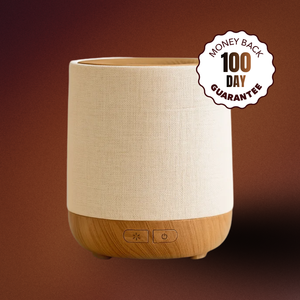
The SCENTREAT Ceramic & Rubber Wood Diffuser is designed to help create a cleaner and more elevated bedroom atmosphere without relying on overpowering sprays or artificial room fresheners. Its minimalist wood-and-ceramic design blends naturally into modern bedroom interiors while supporting a softer everyday fragrance routine.
Want a Bedroom That Smells Like a Luxury Hotel?
Many people use lighter hotel-inspired essential oil blends with diffusers to recreate the clean hotel smell at home more naturally.
Popular scent profiles include:
- White tea and sandalwood
- Bergamot and cedarwood
- Fresh linen and eucalyptus
- Soft citrus and light woods
- Lavender and soft musk
These softer fragrance combinations help create the balanced and relaxing bedroom hotel smell often associated with luxury hotels and upscale suites.
Why People Love Using It in Bedrooms
- Softer and more balanced fragrance diffusion
- Helps bedrooms feel cleaner and fresher naturally
- Quiet ultrasonic operation for nighttime use
- Consistent scent experience without overwhelming the room
- Works well with luxury hotel-inspired essential oil blends
- Suitable for primary bedrooms, guest rooms, and apartment spaces
For long-term freshness, airflow, clean fabrics, and humidity control still play the biggest role in creating luxury hotel smell. A whisper-quiet ultrasonic diffuser simply helps support a cleaner and more relaxing overall bedroom atmosphere. You can also explore the full essential oil diffuser collection to compare designs, or browse SCENTREAT's pure essential oils to find the blends that work best for your space.
Pair it with 100% Pure Sandalwood Essential Oil
$14.99
Conclusion
Creating a luxury hotel smell for bedroom spaces usually comes from combining fresh fabrics, cleaner airflow, and softer layered fragrance rather than overpowering scents. With the right diffuser setup and balanced essential oil blends, Scentreat helps make bedrooms feel fresher, calmer, and more relaxing every day.
Hotels keep the dose low and constant: 7–9 drops in a 200 ml Scentreat Minimalist Wood tank — the light setting, held there night after night rather than pushed up.
Frequently Asked Questions
How do hotels make bedrooms smell so good?
Luxury hotels usually combine fresh laundry, subtle scent diffusion, balanced airflow, and softer fragrance layering to create a clean and relaxing atmosphere.
What do hotels actually spray in the rooms?
Most luxury hotels don't spray at all — they use cold-air nebulizers or HVAC-integrated diffusion systems that push a proprietary fragrance blend through the ventilation at very low concentration. Some also use linen sprays on freshly laundered bedding and scent sachets in wardrobe areas. The result is an even, room-wide scent rather than a concentrated burst from a single spray point.
What scent is commonly used in luxury hotel bedrooms?
Many luxury hotel scents use notes like white tea, sandalwood, bergamot, fresh linen, eucalyptus, cedarwood, and soft musk.
How can I create a clean hotel smell at home?
Fresh bedding, cleaner airflow, lighter essential oil blends, and consistent diffuser use often help recreate a bedroom hotel smell more naturally. Placing a diffuser near an air-return vent or ceiling fan helps distribute the scent evenly — closer to how hotel HVAC systems work.
What is the best hotel smell for primary bedroom spaces?
Most people prefer softer blends like white tea and sandalwood, bergamot and cedarwood, or fresh linen and eucalyptus for a calmer luxury hotel atmosphere.
Are diffusers better than room sprays for hotel-style fragrance?
Many people prefer diffusers because they create a softer and more consistent scent experience without overwhelming the room.

