

What makes a hotel scent smell expensive is layered fragrance composition at low concentration, diffused without heat. Luxury hotels blend note families — bright citrus and white tea top notes, soft florals and herbs in the middle, and sandalwood, amber, or musk anchoring the base — so the scent unfolds in the room rather than hitting you all at once. The delivery method matters just as much as the oils: cold-air or ultrasonic diffusion at low output keeps every note intact, while plug-in and heat-based formats burn off the delicate top notes, leaving only a synthetic residue behind.
We cover the bedroom application in detail in our guide to hotel smell for bedroom. Below, we break down which note families hotels use, what separates expensive-feeling scents from cheap ones, and how to recreate that atmosphere at home.
Why Do Hotel Scents Feel More Expensive?

Luxury hotel fragrances feel more sophisticated because they are engineered rather than simply sprayed. Hotels layer fragrance families — fresh citrus and tea at the top, florals or herbs in the middle, sandalwood or amber at the base — so the scent has genuine depth. For a closer look at the psychology behind it, read our piece on Ask a Fragrance Expert.
Balance Over Strength
One reason hotel scents feel luxurious is that they are never overpowering. Fresh, soft, and warm notes work together so that no single family dominates the room.
Cold Diffusion, Not Heat
The delivery method is the other half of the equation. High-end hotels use cold-air nebulizers or ultrasonic diffusers running at low output. Cold-air diffusion disperses oils as a fine mist without heating them, which preserves the volatile top notes — bergamot, white tea, light citrus — that evaporate instantly in plug-in or heat-based formats. The result is a scent that smells complete and polished rather than flat or chemical. If a stale or lingering odor keeps fighting your diffuser, start with our guide to common reasons your bedroom smells bad and what to do about it.
Carefully Selected Fragrance Notes
Many expensive-smelling hotel fragrances use a combination of white tea, bergamot, soft woods, amber, linen, and musk. These notes create the clean, polished atmosphere that guests associate with luxury. See how they translate to a home bedroom in our best hotel-style bedroom fragrances guide.
Consistency Throughout The Space
Luxury hotels maintain the same fragrance profile throughout guest rooms, hallways, and common areas. This consistency reinforces comfort and makes the scent memorable rather than accidental.
A Fragrance That Complements The Room
Expensive hotel scents are designed to complement the room rather than compete with it. Clean fabrics, balanced airflow, and subtle fragrance diffusion work together to create the refined atmosphere people often notice when entering a luxury hotel.
 Pair it with 100% Pure Sandalwood Essential Oil
$14.99
Pair it with 100% Pure Sandalwood Essential Oil
$14.99
How Fragrance Notes Influence Room Perception

Just as color, lighting, and décor shape how a room feels, fragrance note families shape its atmosphere. This is why luxury hotels select scent profiles deliberately, not decoratively.
Clean Notes Create a Fresh Atmosphere
White tea, fresh linen, cotton, and light citrus make a room feel brighter, fresher, and more organized. They create the impression of cleanliness without smelling like household cleaners — a distinction that separates a luxury lobby from a budget motel corridor.
Soft Notes Create Comfort and Relaxation
Lavender, chamomile, aloe vera, and gentle florals create a calming environment. These scents are common in spa-inspired hotels and wellness retreats where rest is the priority.
Bright Notes Add Energy and Freshness
Bergamot, lemon, and neroli add brightness to fragrance blends. They help spaces feel more open, vibrant, and welcoming — the olfactory equivalent of good natural light.
Warm Notes Create Depth and Luxury
Sandalwood, cedarwood, amber, and soft musk add warmth and sophistication. These deeper base notes linger longest and are often responsible for the smooth, expensive-smelling finish of a luxury hotel room.
Key Notes Found In Luxury Hotel Fragrance

While every hotel creates its own signature scent, most luxury properties draw from the same core note families: clean aquatics and teas at the top, soft florals and herbs in the heart, and woods and musks at the base.
1. White Tea
White tea is one of the most recognizable luxury hotel fragrance notes. It creates a clean, airy quality that makes rooms feel polished without becoming heavy.
2. Bergamot
Bergamot adds brightness and freshness while maintaining a refined character. It is widely used to create the uplifting first impression guests notice when walking through a hotel entrance.
3. Lavender
Lavender softens fragrance blends and adds a calm quality to the overall profile. Its presence in spa hotels is partly functional: research from organizations like the National Center for Complementary and Integrative Health notes that inhaled lavender may support relaxation in some people.
4. Sandalwood
Sandalwood provides warmth and depth while bridging lighter top notes to heavier base notes. Its smooth, creamy character is one of the key reasons luxury scents smell "finished" rather than one-dimensional.
5. Amber
Amber adds richness and warmth and helps create the cozy, expensive-smelling atmosphere found in upscale hotel suites. It is a blender note — it makes surrounding notes smell rounder and more cohesive.
6. Soft Musk
Soft musk is the note most responsible for that "expensive" finish. It sits in the background, adds subtle depth, and helps the entire blend feel balanced and sophisticated. Cheap room sprays often use a single heavy synthetic musk at high concentration — which is exactly what makes them smell cheap rather than polished.
 Pair it with 100% Pure Bergamot Essential Oil
$14.99
Pair it with 100% Pure Bergamot Essential Oil
$14.99
How Notes Change The Mood Of A Room

Different fragrance note combinations change how a space feels entirely. This is why luxury hotels select scent profiles based on the atmosphere they want guests to experience — not just what smells pleasant in isolation.
Fresh And Airy
Fresh and airy profiles feature white tea, fresh linen, bergamot, and light citrus. These scents make rooms feel brighter, cleaner, and more open — a popular choice for modern hotels and resort lobbies.
Spa-Inspired
Spa-inspired blends combine lavender, eucalyptus, chamomile, and green tea. These softer profiles create a calm and relaxing atmosphere that supports rest and recovery.
Warm Luxury
Warm luxury scents feature sandalwood, amber, cedarwood, and soft musk. These deeper notes add richness and sophistication while creating the cozy, layered feeling of an upscale suite.
Boutique Hotel
Boutique hotel fragrances often balance fresh notes with warm woods and subtle florals. This combination feels elegant, modern, and distinctive without becoming overpowering.
Understanding how note families influence mood makes it much easier to choose a fragrance profile that matches the atmosphere you want at home. If you're starting from scratch, our guide to why your bedroom never smells fresh is a useful first step.
How Luxury Hotels Combine Fragrance Notes

The sections above cover which notes hotels use; this one covers the order they arrive in. The top, heart, and base structure is the same logic perfumers use — hotels apply it at room scale, so a guest meets the fresh notes first, the softer heart next, and the warm base last, long after the citrus has faded.
Fresh Notes Create The First Impression
White tea, bergamot, linen, and light citrus open the experience. These scents register immediately and establish the "clean and welcoming" first impression guests remember.
Softer Notes Add Comfort
After the initial freshness, lavender, chamomile, or gentle florals add comfort and warmth. These heart notes keep the scent from feeling cold or clinical.
Warm Notes Create A Luxury Feel
Sandalwood, cedarwood, amber, and soft musk sit underneath the fresh and soft layers rather than on top of them. In a hotel blend their job is proportion: enough to keep the scent in the room once the lighter notes have lifted, never enough to announce themselves — which is why a well-built blend feels warm without ever smelling "woody" or "sweet" on its own.
Balance Is The Secret
The most successful hotel fragrances are not the strongest. They balance fresh, soft, and warm families so that no single note dominates. That restraint is what makes a hotel fragrance feel polished and refined rather than overwhelming.
Notes To Avoid In Humid Rooms

Humidity changes how fragrance behaves. Some note profiles amplify in warm, moist air and quickly become suffocating rather than subtle.
Overly Sweet Fragrances
Very sweet fragrances can feel dense and heavy when humidity is high. Instead of creating a clean atmosphere, they make a room feel stuffy and over-scented.
Heavy Gourmand Notes
Caramel, chocolate, or sugary vanilla blends can become overpowering in smaller or more humid spaces. These scents work better in cooler, drier environments where they feel softer and more balanced.
Dense Floral Blends
Multiple floral notes layered together can become quite intense in humid weather. This makes the room feel heavier than intended and is the opposite of the "hotel fresh" effect most people are after.
Strong Synthetic Fruit Notes
Artificial fruit fragrances can feel sharp or overly sweet in warm, humid conditions. Cleaner, simpler notes hold up much better.
Lighter Notes Often Feel More Comfortable
White tea, fresh linen, bergamot, eucalyptus, and soft wood notes tend to feel cleaner, brighter, and more balanced in humid rooms — which is why hotel scent programs in tropical climates almost always lean toward this profile.
Discover Hotel-Inspired Fragrance with the Scentreat Diffuser

The no-heat diffuser from SCENTREAT is built around the same principle luxury hotels use: cold ultrasonic diffusion at low output, so fragrance notes disperse intact rather than burning off.
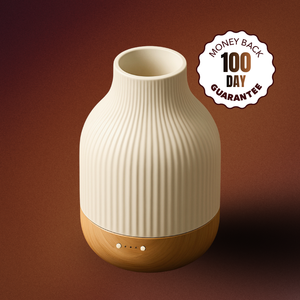
Featuring a natural rubber wood base paired with a ceramic cover, the diffuser blends into most interior styles while supporting a consistent fragrance routine. Whether you prefer fresh white tea, bright bergamot, relaxing lavender, warm sandalwood, or soft musk-inspired blends, consistent diffusion lets each note layer naturally — the same way hotel scenting systems do at scale.
Key Features
- Natural Rubber Wood & Ceramic Design – Natural materials with a timeless aesthetic that complements a wide range of home interiors.
- Quiet Ultrasonic Operation – Measured at 27.3 dB(A) at 1 m in independent laboratory testing, so it stays in the background during everyday use.
- Consistent No-Heat Diffusion – Ultrasonic mist disperses essential oils gradually and without heating them, so delicate top notes survive intact.
- Compatible with Various Essential Oils – Works well with fresh, floral, citrus, herbal, and wood-based profiles.
- Hotel-Inspired Scent Experience – Helps maintain the subtle and consistent fragrance atmosphere associated with luxury hotels.
If you'd like to explore the full range, browse the full SCENTREAT essential oil diffuser collection or go straight to the 100% pure essential oils to find blends that match the hotel-inspired profile you're after.

Handcrafted ceramic essential oil diffuser for bedroom and sleep: quieter than a whisper (27.3 dB, lab-test...
Conclusion
What makes a hotel scent smell expensive is a combination of layered note families, low-concentration delivery, and cold-air diffusion that keeps every molecule intact. Fresh citrus and white tea open the experience; soft florals and herbs carry the middle; sandalwood, amber, and musk anchor the base. The delivery format — a quiet, no-heat diffuser running at low output — is what separates a polished, hotel-caliber result from a flat room spray. With the right oils and a SCENTREAT diffuser, that same effect is straightforward to recreate at home.
Frequently Asked Questions
What scent notes make a hotel smell expensive?
White tea, bergamot, lavender, sandalwood, amber, and soft musk are the six notes luxury hotel fragrances draw on most often, usually rounded out with a fresh linen note. What distinguishes them is how they're layered — a fresh top, soft heart, and warm base — rather than a single dominant scent.
Why do hotel fragrances smell different from regular home fragrances?
Hotels use cold-air nebulizers or ultrasonic diffusers running at low concentration, which preserves the delicate top notes that heat-based formats destroy. The result is a scent that smells complete and polished rather than synthetic.
What is the most popular luxury hotel fragrance note?
White tea is one of the most widely used notes in luxury hotel scenting because it reads as clean, fresh, and sophisticated without becoming overpowering or synthetic at low diffusion levels.
Which fragrance notes create a relaxing atmosphere?
Lavender, chamomile, eucalyptus, sandalwood, and soft musk are commonly used to create a calmer and more comfortable environment. Spa-inspired hotels lean on this profile because these notes support a sense of quiet without smelling clinical.
What makes a room scent smell cheap instead of expensive?
The four main culprits are: a single synthetic note at high concentration (usually a synthetic musk or artificial fruit), heat diffusion that burns off the top notes and leaves a chemical residue, over-concentration that overwhelms the nose, and no base layer — so the scent disappears in minutes. Luxury hotel scenting avoids all four.
What fragrance notes work best in humid rooms?
White tea, fresh linen, bergamot, eucalyptus, and soft woods hold up well in humid conditions. Heavy gourmand and dense floral blends tend to amplify in warm moist air and quickly feel overpowering.

