

Key Takeaways
BEST BUY PICKS
Why does your room still smell bad after using a diffuser? The diffuser itself is rarely the culprit. Lingering odors usually come from hidden sources — moisture, biofilm inside the diffuser water tank, oxidized oils, or odors locked into soft surfaces — that fragrance alone can't neutralize.
Quick answer: Clean your diffuser (including the tank), ventilate the room, and tackle the actual odor source. A diffuser adds fragrance; it doesn't remove the cause of a smell.
In this guide, Scentreat breaks down every common reason a room still smells bad after diffusing — and what to do about each one.
Why Your Room May Still Smell Bad

Many people assume a diffuser will completely eliminate unwanted odors, but fragrance and odor removal are not the same thing. Understanding why smells linger — including smells that come from the diffuser itself — is the first step to actually fixing them.
The Diffuser Itself May Be the Problem
This is the most overlooked cause. Over time, biofilm — a thin layer of bacteria and mold — can form inside the water tank and misting chamber, especially if the tank sits with water in it between uses. When you turn the diffuser on, it disperses that stale, contaminated mist into the air. The result smells musty, sour, or simply "off" — not like the oil you added.
Two related issues make this worse:
- Old, stale water. Tap water left sitting for days starts to support microbial growth. Always empty the tank after each use and refill with fresh water before the next session.
- Oxidized or rancid oils. Essential oils can go rancid — especially citrus and "thin" oils (like lemon or grapefruit) left in a warm tank. Oxidized oils smell acrid or bitter, not fresh. If the scent from your diffuser has shifted over time, the oil may be the culprit.
- Over-concentration. Using too many drops of oil — or a very strong oil like eucalyptus or clove — can produce a sharp, headache-inducing heaviness rather than a pleasant scent. Start with 3–5 drops for a small room and adjust down if the smell feels overwhelming.
If you notice the room smells worse when the diffuser is running (or just after it stops), clean the diffuser before trying anything else.
The bedroom freshness guide covers why fragrance sometimes makes stale air feel worse, not better — worth a read if this resonates.
The Source of the Odor Is Still Present
A diffuser disperses fragrance into the air, but it cannot remove the underlying cause of a smell. Issues like dirty laundry, pet areas, trash bins, or excess moisture continue producing odors whether the diffuser is running or not.
Mattresses are a frequently missed source. Over months of use, mattresses absorb sweat, body oils, and dead skin cells — all of which produce odor over time. Even with clean sheets, the mattress itself can be the source of a stale or musty smell. Sprinkle baking soda on the bare mattress, leave it for 30–60 minutes, then vacuum it off. A mattress protector used going forward keeps the problem from returning.
For a complete list of hidden odor sources in the bedroom, see the guide on common reasons your bedroom smells bad.
Poor Air Circulation
Rooms with limited airflow trap odors and prevent fresh air from cycling through. This makes smells linger longer than expected, regardless of what fragrance is running. Even opening a window for 10 minutes clears significantly more stale air than a diffuser can replace.
The Diffuser Is Too Small for the Space
A diffuser rated for 200 sq ft won't adequately cover a 400 sq ft open-plan room. Uneven scent distribution can make some areas feel fresh while other corners still smell stale.
Choosing the right essential oil diffuser for large room can improve scent coverage and reduce dead zones where odors linger.
You're Masking Odors Instead of Addressing Them
Fragrance can temporarily cover unwanted smells. When a pleasant scent competes with a persistent odor, the two often blend unpleasantly — making the room smell worse, not better. The fix is always the same: address the source first, then add fragrance to a clean environment.
How to Clean a Diffuser That Smells Bad (Vinegar Method)

If your diffuser is producing a sour, musty, or stale smell, a vinegar rinse is the quickest fix. White vinegar is mildly acidic and dissolves biofilm, mineral deposits, and oil residue without damaging most diffuser tanks.
Time Required: 10–15 minutes
Step 1: Empty and Wipe the Tank
Pour out any remaining water. Use a dry cotton ball or cloth to wipe the inside walls and the ultrasonic disc (the small metal plate at the bottom).
Step 2: Add Vinegar Solution
Fill the tank halfway with clean water, then add 1 teaspoon of white vinegar. Run the diffuser for 5 minutes to let the solution work through the misting mechanism.
Step 3: Empty and Rinse
Pour out the vinegar solution and rinse the tank with clean water. Use a fresh cotton swab to gently clean around the disc.
Step 4: Dry Completely
Leave the lid off and allow the tank to air-dry fully before the next use. Running a damp tank can reintroduce the microbial conditions that caused the smell in the first place.
For a full cleaning routine including recommended frequency and what to avoid, the post on how to clean an essential oil diffuser walks through every step.
Best Practices for Keeping Your Room Smelling Fresh

A few consistent habits make more difference than any fragrance on its own.
In order of impact:
- Clean your diffuser weekly — don't let the tank sit filled between uses
- Identify and remove the odor source before diffusing
- Open windows regularly; 10 minutes of cross-ventilation clears trapped air
- Keep indoor humidity between 30–50% — the range the EPA recommends to discourage mold and dust mites, both major odor contributors
- Use a diffuser matched to your room size
- Start with fewer drops of oil (3–5) and increase only if needed
If a room continues to smell unpleasant despite all of the above, it's worth checking for hidden moisture — inside closets, under rugs, or behind furniture — before adding more fragrance.
How to Fix Common Room Odor Problems
Different odor problems need different solutions. Once you've identified the source, the fix is usually straightforward.
How to Fix Musty Room Smells

Time Required: 15–30 minutes
Musty odors are almost always caused by excess moisture, poor ventilation, or damp materials. A diffuser won't fix this — it needs to be addressed at the source.
Step 1: Check for Moisture
Inspect windows, closets, carpets, and corners where moisture accumulates. Aim for 30–50% indoor humidity — above 50% creates conditions where mold and mildew thrive (EPA guideline). A cheap hygrometer from a hardware store tells you exactly where you stand.
Step 2: Improve Airflow
Open windows or use fans to cycle out trapped, humid air. A dehumidifier helps in consistently damp rooms.
Step 3: Remove Damp Materials
Wash or thoroughly dry fabrics, rugs, or bedding holding moisture. Don't forget the mattress — a baking-soda treatment followed by vacuuming can noticeably reduce odor in older mattresses.
Step 4: Add Fragrance After Cleaning
Once the moisture source is addressed, a diffuser with a clean tank and fresh oils can help the room feel noticeably fresher.
If musty odors keep returning, the post on best musty smell eliminators covers longer-term solutions beyond fragrance.
How to Fix Pet Odors
Time Required: 15–30 minutes
Pet odors settle into bedding, carpets, furniture, and soft surfaces. Regular cleaning is the only lasting fix.
Step 1: Clean Pet Bedding
Wash pet beds, blankets, and other frequently used fabrics.
Step 2: Vacuum Floors and Furniture
Remove pet hair, dander, and debris from carpets and upholstery.
Step 3: Clean Pet Areas
Regularly clean litter boxes, crates, or designated pet spaces.
Step 4: Use Fragrance After Cleaning
A diffuser helps maintain a fresher atmosphere once the odor sources are addressed.
How to Fix Cooking Smells

Time Required: 10–20 minutes
Cooking odors linger especially when ventilation is limited. They also embed quickly in soft furnishings near the kitchen.
Step 1: Open Windows
Allow fresh air to circulate through the room while cooking and for 10–15 minutes after.
Step 2: Clean Food Preparation Areas
Wipe down countertops, stovetops, and nearby surfaces promptly.
Step 3: Remove Food Waste
Dispose of food scraps and empty trash bins.
Step 4: Refresh the Space
After cleaning and ventilation, a diffuser with a citrus or herbal oil helps refresh the air without competing with cooking residue.
Diffuser vs. Odor Removal: Understanding the Difference

A diffuser disperses fragrance molecules into the air. It doesn't capture, neutralize, or destroy odor molecules — that requires physically removing the source, using an air purifier with activated carbon, or cleaning with an odor-neutralizing product.
Diffusers Add Fragrance
Ultrasonic diffusers break water and oil into a fine mist that evaporates quickly, leaving scent molecules suspended in the air. The result is a more pleasant atmosphere — not a cleaner one in any clinical sense.
Odor Removal Addresses the Source
Removing odors involves cleaning, improving ventilation, reducing humidity, or physically eliminating what's producing the smell. No amount of fragrance substitutes for this.
Both Work Well Together
The most effective approach: clean up the odor source first, then diffuse. Fragrance added to a clean room smells pleasant. Fragrance layered over an existing odor often creates something worse.
This is a common reason people researching are essential oil diffusers worth it discover that diffusers work best as part of a broader room-maintenance habit, not as a standalone odor solution.
Room Conditions Matter
Humidity, airflow, room size, and surface cleanliness all affect how fragrance behaves. A humid, stagnant room can make even a good oil smell flat or sour.
For a broader look at why bedroom air goes stale and what actually helps, the post bedroom scent questions answered covers the most common reader questions in one place.
Tips for Keeping Your Room Smelling Fresh Long-Term

Good habits do more for room freshness than any individual product. The goal is reducing the odor load so the diffuser only needs to add a pleasant finishing note — not fight an ongoing battle.
Address Odors Early
Small odor problems are easier to manage before they spread. Identifying and addressing them quickly — a damp towel, a half-empty diffuser tank — prevents buildup.
Improve Ventilation Regularly
Opening windows for even 10 minutes a day significantly reduces indoor VOC and odor buildup. It costs nothing and outperforms most fragrance solutions for background freshness.
Wash Fabrics Consistently
Bedding, curtains, rugs, and upholstery absorb odors over time. Washing sheets weekly and vacuuming soft furniture monthly makes a noticeable difference.
Maintain Your Diffuser
Clean the diffuser tank at least once a week — more often if you diffuse daily. Empty it after every use. Never leave water sitting in the tank overnight. This single habit prevents most diffuser odor problems before they start.
Control Moisture Levels
Keep indoor humidity between 30–50% (EPA recommendation). Above 50%, mold spores and dust mites have ideal conditions — both produce odor compounds that no amount of fragrance will override.
Use the Right Oil for the Job
Oils like lemon, eucalyptus, and peppermint are often described as "cleaner-smelling" and work well in spaces that need freshening. Heavier, resinous oils like patchouli or vetiver are better suited to spaces that are already clean and just need depth.
Create a Fresher Home with the Scentreat Rubber Wood & Ceramic Ultrasonic Essential Oil Diffuser

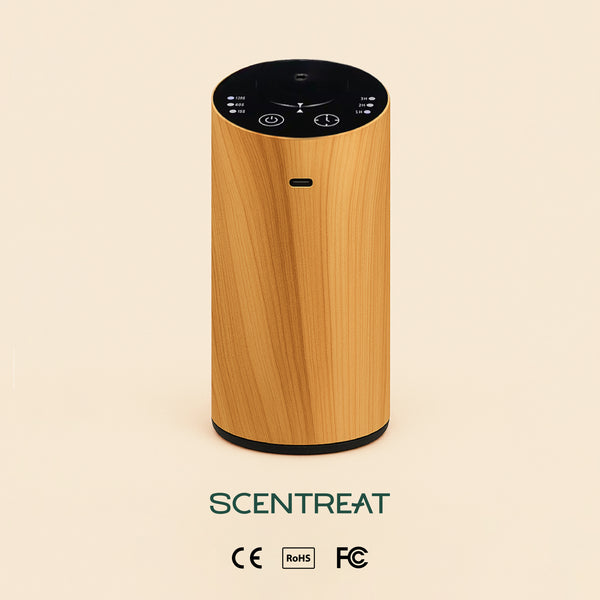
At Scentreat, we understand that creating a fresh-smelling room involves more than covering up odors. The Rubber Wood & Ceramic Diffuser is designed for consistent daily use — and its ceramic-lined water tank is far easier to clean thoroughly than plastic alternatives, which helps prevent the biofilm buildup that causes sour diffuser odor in the first place.
Why It Works Well for Everyday Home Fragrance
Consistent Scent Throughout Your Routine
Instead of occasional bursts, ultrasonic diffusion keeps fragrance present and even — no hot spots, no off-times.
Easier to Keep Clean
The ceramic-lined tank resists oil residue better than raw plastic and wipes clean quickly with the vinegar method above.
Whisper-Quiet Operation
Designed for bedrooms and personal spaces — the whisper-quiet ultrasonic diffuser runs without noticeable sound.
200 ml Tank — Right for Personal Spaces
Water Tank Capacity: 200 ml. Ideal for bedrooms, home offices, and reading corners.
If you're looking for a diffuser that fits a larger room, explore the full Diffuser Collection, or browse the Essential Oil Collection for 100% pure oils that complement a freshness routine.
Conclusion
If your room still smells bad after using a diffuser, the most likely culprits are biofilm or old water inside the diffuser tank, oxidized oils, an unresolved odor source (mattress, moisture, pets), or over-concentration of oil. Fix the tank first with a vinegar rinse, remove the odor source, and keep humidity at 30–50%. Then let the diffuser do what it does best — add a calm, pleasant layer of fragrance to a room that's already clean.
For more tips and inspiration, follow us on Facebook and Instagram. If you have any questions about Scentreat's products or promotions, please feel free to contact us at support@scentreat.com. Our dedicated team is available 24/7 and always happy to assist you.
Frequently Asked Questions
Why does my room smell worse when I run my diffuser?
The most common reason is a dirty diffuser tank. Biofilm — a thin layer of bacteria or mold — builds up inside the water reservoir when it's not emptied and dried after each use. When the diffuser runs, it mists contaminated water into the air. Do a vinegar rinse (see the cleaning section above) and the problem usually disappears immediately.
How often should I clean my diffuser to prevent odors?
At minimum, once a week if you diffuse regularly. More importantly, empty the tank after every single use — don't leave water sitting in it between sessions. Standing water is the main cause of the sour or musty smell that some diffusers develop over time.
What if the room smell comes back right after I diffuse?
That usually means the odor source is still active and the fragrance fades before the source does. Check for moisture (aim for 30–50% humidity), damp fabrics, the mattress, or a pet area. Fragrance dissipates in 30–60 minutes; a real odor source produces smell continuously. Address the source and the problem won't return.
Can scents really affect your mood?
Yes. While scent doesn't directly control emotions, it can influence how a space feels and help create a calmer, more uplifting, or more comfortable atmosphere.
What scents are commonly associated with relaxation?
Lavender, chamomile, sandalwood, and cedarwood are among the most popular scents used to create a relaxing environment.
What's the best way to enjoy fragrance at home?
Use a quality diffuser with a clean tank, match the diffuser size to your room, start with 3–5 drops of 100% pure essential oil, and address any underlying odor sources before diffusing. The result is a more consistent, enjoyable fragrance experience.