

What are essential oils for diffuser? They are concentrated plant extracts designed to be used in a diffuser, where they are mixed with water or dispersed into the air to create a light, aromatic mist that enhances your environment. The NIH National Center for Complementary and Integrative Health describes the evidence for aromatherapy's health effects as limited and largely preliminary, however widely it is used. If your interest is breathing comfort in particular, see Essential Oil Diffuser for Congestion.
Once you know which oils to use, our guide to diffuser benefits, types, and how to choose helps you match them to the right device.
Quick answer: Diffuser-grade essential oils are 100% pure plant extracts — not synthetic fragrance oils. They are most commonly produced by steam distillation or cold pressing, which preserves the aromatic compounds without added solvents or carriers. The key to a good diffuser experience is choosing oils that are genuinely pure, not diluted or blended with artificial fragrance.
In this guide, Scentreat will explain what essential oils for diffuser are, how they work, how to use them correctly, and how to choose the right oils for different needs—so you can create a more comfortable and balanced space with confidence.
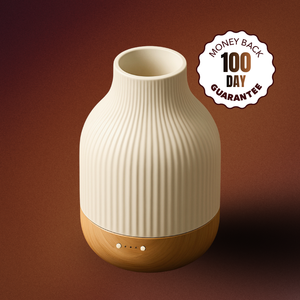
What Are Essential Oils for Diffuser?

Understanding what essential oils for diffuser are begins with how they are made and used. Essential oils are concentrated plant extracts derived from flowers, leaves, bark, or roots, capturing the natural scent of the plant.
Unlike synthetic fragrances, they are extracted through methods that preserve their aromatic compounds for a more natural scent experience. Steam-distilled and cold-pressed oils are best for diffusers; avoid oils diluted with synthetic fragrance or carrier oils, which can leave residue in the tank and affect mist output over time. CO2-extracted oils are also a premium option — lower heat means more of the plant's delicate compounds survive.
When used in a diffuser, essential oils are mixed with water (in ultrasonic diffusers) or dispersed directly into the air, allowing the aroma to spread evenly throughout a space.
How to Choose Quality Essential Oils for Your Diffuser
Not every bottle labeled "essential oil" is suitable for diffuser use. Here is what to look for:
- 100% pure label — the oil should contain only the plant extract, nothing else. "Fragrance oil," "perfume oil," or "blended with carrier oil" on the label means it is not diffuser-grade.
- GC/MS tested — gas chromatography/mass spectrometry testing verifies that the oil's chemical profile matches the plant it comes from. Reputable brands share these results or state that their oils are GC/MS verified.
- No artificial fragrance — synthetic fragrance compounds can damage the plastic and ultrasonic components inside diffusers over time, and may release irritants when heated or misted. Stick to oils with a single-ingredient INCI listing.
SCENTREAT essential oils are 100% pure and single-ingredient, with no synthetic fragrance or carrier oil added — formulated specifically for diffuser use. How that compares with other labels is set out in our review of essential oil brands for diffuser use.
How to Use Essential Oils in a Diffuser

To fully understand how to use essential oils in a diffuser, it helps to see how they work in everyday use. A diffuser is designed to create a balanced scent in your space, not an overpowering one. For the anxiety-specific oils in particular, see Essential Oils for Anxiety Diffuser.
Add Water and Oil Correctly
Most diffusers work by combining water with a small amount of essential oil.
To set it up:
- Fill the reservoir with water to the recommended level
- Add a few drops of essential oil
- Avoid overfilling to maintain proper mist output
This simple setup allows the scent to disperse evenly and consistently.
Adjust Based on Room Size
The way a diffuser performs depends on the size of your space.
In smaller rooms, a lighter scent is usually more comfortable — start at the lower end of the drop range for your tank size. In larger areas, stay closer to the medium range and allow more time for the mist to circulate, so the aroma spreads naturally without becoming too strong in one spot.
Use It in Short, Consistent Sessions
Diffusers are most effective when used in shorter sessions rather than running continuously.
For example, using a diffuser during your morning routine or before sleep helps create a more consistent and enjoyable scent experience over time.
Using essential oils in a diffuser is about balance. Small adjustments in how you set it up and use it can make a noticeable difference in how your space feels.
How Many Drops of Essential Oil to Use in a Diffuser
The number of drops you use in a diffuser should focus on balance rather than strength. Essential oils are highly concentrated, so a small amount is usually enough to create a comfortable and consistent scent.
| Tank size | Light | Medium (start here) | Strong |
|---|---|---|---|
| 100 ml | 3–4 drops | 4–7 drops | 7–8 drops |
| 180 ml — Ceramic & Rubber Wood | 6–8 drops | 8–12 drops | 12–15 drops |
| 200 ml — Minimalist Wood | 7–9 drops | 9–13 drops | 13–17 drops |
| 300 ml | 9–12 drops | 12–18 drops | 18–22 drops |
| 400–500 ml | 12–18 drops | 18–26 drops | 26–32 drops |
Every row is the same rule scaled to tank size: the Light column is the familiar 3–5 drops per 100 ml of water, and Medium and Strong step up from there — Medium is where most people should start. For the full breakdown by tank size, room size, and scent strength, see our guide to how many drops to use in a diffuser.
If a cat is dozing nearby while the diffuser runs, keep the session short and the room open — a cat cannot process the phenols and monoterpenes in essential oils, so the dose it cannot avoid is the one that matters. A dog can usually share the room without trouble, but a dog should never be given oil to lick either, and diluted or not, it does not belong on fur.
In everyday use, it's best to start with fewer drops and adjust gradually based on your space and personal preference. A softer scent often feels more natural and comfortable, especially for longer sessions.
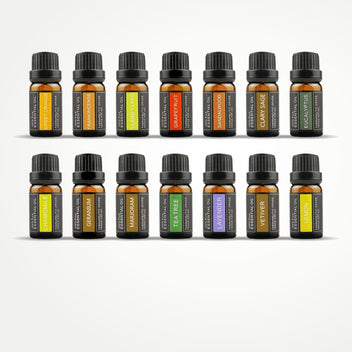
The Signature Ritual™ is our complete 14-oil collection — the full Scentreat library for every mood and rit...
Best Essential Oils for Diffuser by Need

Choosing the right essential oils depends on what you want to feel in your space. Different oils create different effects, so selecting based on your needs can make your diffuser experience more effective and enjoyable.
For Sleep
Certain essential oils are commonly used to create a calm and restful environment before bedtime.
- Lavender – soft, floral scent that supports relaxation; its main compound, linalool, is associated with a calming effect on the nervous system
- Chamomile – gentle and soothing, ideal for winding down
- Sandalwood – warm, grounding aroma that promotes calmness
These oils work best when used in the evening as part of a consistent sleep routine. For a curated blend designed around nighttime use, explore the Deep Sleep Ritual™ oil set. New to diffusing? The starter and complete oil kits are an easy way to try several scents at once.
For Relaxation
If your goal is to reduce stress and create a peaceful atmosphere, calming oils are a good choice.
- Ylang ylang – slightly sweet, helps ease tension
- Bergamot – light citrus with a calming effect
- Frankincense – deep, resinous scent often used for relaxation
These scents help create a slower, more balanced environment throughout the day.
For Energy and Focus
Some oils are more refreshing and can help support alertness and concentration.
- Peppermint – cool, sharp scent that feels energizing
- Lemon – clean citrus aroma that lifts mood
- Rosemary – fresh, herbal scent linked to focus and mental clarity
These oils are commonly used during work or study sessions. Browse the Focus & Energy collection for oils selected with this use in mind.
For a Fresh-Smelling Home
If you want your space to feel clean and inviting, fresh and bright oils work well.
- Eucalyptus – crisp and refreshing scent
- Tea tree – sharp, clean aroma often used for freshness
- Orange – light, sweet citrus that makes a space feel welcoming
These oils help reduce unwanted odors and create a more pleasant atmosphere. If you share your home with animals, take one extra precaution: cats lack glucuronyl transferase, the liver enzyme that breaks down the phenols and monoterpenes in tea tree, eucalyptus, peppermint, pine, sandalwood and citrus oils, and undiluted tea tree is neurotoxic to dogs. Diffuse in a ventilated room, leave the door open so a pet can walk away from the mist, and never apply essential oil to fur or let a pet lick it. Explore the Fresh & Clean collection for more options.
Overall, the best essential oils for a diffuser depend on your goal. Choosing the right scent for each situation can make your space feel more comfortable, balanced, and suited to your daily routine. For a longer list sorted by scent family, see our guide to the 25 best essential oils for a diffuser.
15 Popular Essential Oils for Diffuser and Their Benefits

Choosing the right essential oils can completely change how your space feels. Each oil has its own scent profile and purpose, so understanding the basics helps you create better combinations and experiences.
1. Lavender
- Scent profile: Soft, floral, slightly herbal
- Best for: Sleep, relaxation
- Benefits in a diffuser: Helps create a calm, peaceful atmosphere and supports bedtime routines
- Blends well with: Chamomile, bergamot, sandalwood
2. Peppermint
- Scent profile: Cool, minty, refreshing
- Best for: Energy, focus
- Benefits in a diffuser: Many people find it helps them feel more alert, and it creates a fresh, invigorating environment
- Blends well with: Lemon, eucalyptus, rosemary
3. Eucalyptus
- Scent profile: Crisp, clean, slightly medicinal
- Best for: Fresh air, breathing comfort
- Benefits in a diffuser: Creates a clean, spa-like feeling and refreshes the space
- Blends well with: Peppermint, tea tree, lemon
4. Lemon
- Scent profile: Bright, citrusy, fresh
- Best for: Mood, freshness
- Benefits in a diffuser: Makes a space feel clean, light, and energized
- Blends well with: Peppermint, rosemary, orange
5. Sweet Orange
- Scent profile: Sweet, juicy citrus
- Best for: Uplifting mood
- Benefits in a diffuser: Adds warmth and a welcoming feel to your space
- Blends well with: Clove, cinnamon, vanilla
6. Tea Tree
- Scent profile: Sharp, herbal, clean
- Best for: Air freshness
- Benefits in a diffuser: Helps reduce unwanted odors and creates a cleaner environment
- Blends well with: Eucalyptus, lemon, lavender
7. Rosemary
- Scent profile: Fresh, herbal, slightly woody
- Best for: Focus, clarity
- Benefits in a diffuser: Supports concentration and mental clarity during work or study
- Blends well with: Lemon, peppermint, eucalyptus
8. Frankincense
- Scent profile: Warm, resinous, deep
- Best for: Relaxation, grounding
- Benefits in a diffuser: Helps create a calm, balanced and centered atmosphere
- Blends well with: Sandalwood, lavender, bergamot
9. Sandalwood
- Scent profile: Soft, woody, creamy
- Best for: Calm, meditation
- Benefits in a diffuser: Adds depth and warmth, ideal for quiet and relaxing spaces
- Blends well with: Frankincense, cedarwood, lavender
10. Chamomile
- Scent profile: Light, floral, slightly sweet
- Best for: Sleep, relaxation
- Benefits in a diffuser: Supports a gentle, calming environment before bedtime
- Blends well with: Lavender, sandalwood
11. Bergamot
- Scent profile: Citrus with soft floral notes
- Best for: Mood balance
- Benefits in a diffuser: Uplifts mood while maintaining a calm and relaxed feel
- Blends well with: Lavender, lemon, frankincense
12. Ylang Ylang
- Scent profile: Sweet, rich, floral
- Best for: Stress relief
- Benefits in a diffuser: Creates a relaxing, slightly luxurious atmosphere
- Blends well with: Bergamot, sandalwood
13. Cedarwood
- Scent profile: Dry, woody, warm
- Best for: Grounding, sleep
- Benefits in a diffuser: Helps create a cozy and calming environment
- Blends well with: Lavender, sandalwood
14. Sage
- Scent profile: Herbal, slightly earthy
- Best for: Relaxation, mood
- Benefits in a diffuser: Supports a calm and balanced emotional state. The sage sold for mood and relaxation is usually clary sage (Salvia sclarea), not common sage (Salvia officinalis); both are traditionally avoided in the first trimester, so ask your doctor or midwife before diffusing either one while pregnant.
- Blends well with: Lavender, bergamot
15. Grapefruit
- Scent profile: Bright, slightly bitter citrus
- Best for: Energy, mood boost
- Benefits in a diffuser: Refreshes the space and creates a lively atmosphere
- Blends well with: Lemon, peppermint
Overall, these essential oils cover a wide range of scent styles—from calming florals to energizing citrus—making it easier to choose the right oil for any mood or situation. Two of them need an age caveat: peppermint and eucalyptus contain menthol and 1,8-cineole, which pediatric guidance links to slowed or reflexively interrupted breathing in children under two. Keep both out of a nursery or any room where a baby sleeps, and ask your child's doctor before diffusing anything around an infant.
 Pair it with 100% Pure Lavender Essential Oil
$14.99
Pair it with 100% Pure Lavender Essential Oil
$14.99
How to Choose the Right Essential Oil
Choosing the right essential oil depends on what you want your space to feel like. Instead of looking for one "best" option, it's more effective to match the scent with your needs.
- For sleep → choose soft, calming scents like lavender or chamomile
- For focus → choose fresh or herbal oils like rosemary or peppermint
- For relaxation → choose warm or floral notes like frankincense or bergamot
- For freshness → choose light citrus or clean scents like lemon or eucalyptus
It's also important to consider scent strength. Some oils are naturally stronger, so starting with lighter options and adjusting gradually can help create a more comfortable experience.
For a wider comparison of diffuser options to pair with your oils, see our roundup of the best ultrasonic essential oil diffusers.
Overall, the best choice is one that fits your space and your routine. Small changes in scent type and intensity can make a noticeable difference.
Common Mistakes When Using Essential Oils

Using essential oils in a diffuser is straightforward, but small details can affect the overall experience. Being aware of common mistakes helps you create a more balanced and comfortable scent in your space.
Focusing Too Much on Strong Scent
A stronger scent doesn't always mean a better experience.
In many cases, a softer and more subtle aroma feels more natural and easier to live with, especially over longer periods.
Using the Same Oil for Every Situation
Different moments call for different types of scents.
Using the same oil all the time can make the experience feel repetitive or less effective, especially when your needs change throughout the day.
Overlooking the Environment
How a diffuser performs depends on the space around it.
Factors like room size, airflow, and placement can all influence how the scent spreads and how strong it feels.
Expecting Immediate Results
Diffusers are designed to create a gradual and consistent atmosphere.
The scent usually builds over time, so giving it a few minutes to settle often leads to a more even and pleasant result.
Keeping the diffuser clean also makes a difference — residue from previous oils can muddy new scents. Learn how in our guide to cleaning your essential oil diffuser.

Handcrafted ceramic essential oil diffuser for bedroom and sleep: quieter than a whisper (27.3 dB, lab-test...
Why Choose Scentreat for Your Diffuser and Essential Oils

A great scent experience starts with how it's delivered. The Ceramic & Rubber Wood Diffuser is designed to create a soft, even mist—helping essential oils disperse smoothly and consistently throughout your space.
The SCENTREAT essential oil diffuser range is built to produce a gentle, balanced output that supports a more natural atmosphere. Instead of sharp or uneven bursts, the mist remains steady, making the overall experience feel more consistent over time.
Designed for a Better Diffusing Experience
- Even ultrasonic mist that spreads scent smoothly
- Quiet operation suitable for sleep, work, and relaxation
- Consistent performance that supports everyday use
A well-designed diffuser helps you get more out of every drop of oil, making the experience feel more stable and enjoyable.
Essential Oils That Work Seamlessly with Your Diffuser
Scentreat essential oils are 100% pure and created to work well with diffuser-based use.
- Clean, well-balanced scent profiles
- Easy to blend for different moods and routines
- Suitable for daily use without overwhelming the space
When paired with a reliable diffuser, the oils become easier to control and more pleasant to use over time.
A Simple Setup for Everyday Use
Using a diffuser and essential oils together should feel effortless.
With the right combination, you don't need to constantly adjust settings or switch products. The experience becomes part of your daily routine—whether it's for focus, relaxation, or creating a more comfortable home environment.
While essential oils shape the scent, the diffuser determines how that scent is experienced. Choosing the right diffuser makes a noticeable difference in how consistent and comfortable your space feels.
If you're looking to upgrade your space with a gentle and consistent scent, explore the best essential oil diffuser guide to find the right design for your needs, or browse pure essential oils to match your mood and daily routine.
Conclusion
Essential oils for diffuser offer a simple way to shape how your space feels, from calm and relaxing to fresh and energizing. With Scentreat, using the right oils in a balanced way makes it easy to create a consistent, comfortable scent experience every day.
Frequently Asked Questions
What are the best essential oils for diffuser?
Lavender for sleep, citrus oils for freshness, and peppermint or rosemary for focus are common choices.
How many drops of essential oil should I use in a diffuser?
Start at the Medium column for your tank size and adjust from there: 4–7 drops in a 100 ml tank, 8–12 drops in a 180 ml tank, 9–13 drops in a 200 ml tank, 12–18 drops in a 300 ml tank, and 18–26 drops in a 400–500 ml tank. For a lighter scent, work down toward roughly 3–5 drops per 100 ml of water; for a stronger one, step up from the medium range.
Can I mix essential oils in a diffuser?
Yes. Blending oils can create a more balanced and natural scent. Start with two oils in a 2:1 ratio, then adjust to taste.
Can I use fragrance oils in a diffuser?
Fragrance oils are not recommended for diffuser use. Unlike 100% pure essential oils, fragrance oils contain synthetic compounds that can damage plastic and ultrasonic components inside your diffuser over time and may release irritants when misted. Always use oils labeled 100% pure with no added fragrance or carrier oil.
Which essential oils are best for sleep?
Lavender, chamomile, and sandalwood are commonly used for sleep.
What essential oils are best for a fresh-smelling room?
Lemon, eucalyptus, tea tree, and orange help create a clean, fresh scent.

