

Your Complete Guide to Postpartum Recovery & Aromatherapy
The short answer: The postpartum period brings a predictable set of physical and emotional challenges—fatigue, sleep fragmentation, mood swings, and anxiety—that typically peak in the first 6–12 weeks and ease gradually over several months. Gentle routines, good nutrition, and supportive aromatherapy can help you feel more grounded day to day. If symptoms are severe or you notice heavy bleeding, fever, or signs of postpartum depression, contact your provider right away.
The early weeks with a newborn can leave you running on empty, riding waves of emotion, and wishing for a full night's sleep. This pillar guide brings together what to expect physically, when to call your provider, and gentle aromatherapy support that many moms find helpful during recovery. Think of it as your starting point, with deeper sub-guides linked throughout.
If you're ready to build a daily rhythm, start with our step-by-step aromatherapy routine for tired new moms. On the harder days, our oils for moms running on burnout and our calming bedtime rituals for winding down can help you reset. To get familiar with individual oils many moms reach for, explore how geranium is used during postpartum, the ways clary sage can support you postpartum, and why lavender is a go-to for calm and better sleep.
⚕️ Safety note before you start: Always consult your OB, midwife, or healthcare provider before using essential oils postpartum or while breastfeeding. Some oils—including peppermint and sage—may reduce milk supply and should be avoided by nursing moms. For your baby, check with your pediatrician first: most aromatherapy references advise no essential oils at all around babies under 3 months, and peppermint and eucalyptus should be kept away from any child under 2 — the menthol and 1,8-cineole in them carry a risk of slowed or reflex-arrested breathing. Around an older baby, diffuse only: short sessions in a well-ventilated room your baby can easily be carried out of, never a closed nursery. Dilute all oils before skin contact on yourself, do not put essential oils on your baby's skin at all, and keep them away from baby's face. This guide is for educational purposes only and is not medical advice.Introduction: Navigating Postpartum Life

Have you ever heard about the postpartum period? The first time I came across the term was when my friend had just given birth. But it wasn't until I experienced it myself that I truly understood how overwhelming it can feel—like being caught in a whirlwind.
According to ACOG, the postpartum period refers to the months after giving birth. For some moms, it lasts around 3–6 weeks, while for others it can extend to several months—or even up to 1–2 years—depending on how your body and mind adapt to life with a newborn. To me, the postpartum period only truly ends when you feel physically strong, mentally calm, and emotionally balanced.
As you step into life with your newborn, it really helps to know what to expect. Understanding the common postpartum challenges—and having simple ways to manage them—can make this journey feel a little less overwhelming.
Physical Recovery Timeline & When to Call Your Provider
Your body goes through a remarkable amount of healing in the first weeks after birth. Knowing what's normal—and what's not—helps you rest easy when things are on track and act quickly when they aren't.
What's happening and when
- Lochia (postpartum bleeding), weeks 1–6: Bleeding starts heavy and bright red, similar to a heavy period, then gradually lightens to pink, then yellowish-white by weeks 4–6. Passing large clots (bigger than a golf ball) or soaking more than one pad per hour is not normal—call your provider or go to the ER right away.
- Perineal care (vaginal birth), weeks 1–4: Soreness, swelling, and stitches are common. Ice packs in the first 24 hours, sitz baths after day 2–3, and a peri bottle with warm water after bathroom use all help. Most discomfort eases in 2–3 weeks; stitches dissolve on their own.
- C-section incision care, weeks 1–6: Keep the incision clean and dry, avoid lifting anything heavier than your baby, and watch for signs of infection (redness, warmth, discharge, fever above 100.4°F / 38°C). Most moms feel significantly better by week 6.
- Uterine cramping ("afterpains"), days 1–5: Your uterus contracts back to its pre-pregnancy size—this can feel like strong menstrual cramps, especially during breastfeeding. Normal. Usually gone by day 4–5.
- Pelvic floor, weeks 4–12+: Leaking urine with a cough or sneeze, or heaviness in the pelvis, is common and very treatable. Gentle Kegel exercises can start as soon as you feel ready; ask your provider about pelvic floor PT if symptoms persist past 6–8 weeks.
ACOG postpartum visit schedule
The American College of Obstetricians and Gynecologists (ACOG) recommends that every new mom have a postpartum contact with her provider within the first 3 weeks after birth, followed by a comprehensive visit at 6–12 weeks. If you had complications—C-section, preeclampsia, gestational diabetes—earlier follow-up may be scheduled. Don't skip these appointments; they're when PPD screening and contraception counseling happen.
When to call your provider — red flags
Head to your provider or the emergency room without delay if you notice:
- Heavy vaginal bleeding (soaking a pad in under an hour) or passing large clots
- Fever above 100.4°F (38°C) — can signal infection
- Signs of wound infection at a C-section incision or perineal tear (redness, pus, worsening pain)
- One leg that is swollen, red, or warm — possible blood clot (DVT)
- Severe headache, vision changes, or swelling in face/hands — possible postpartum preeclampsia
- Chest pain or shortness of breath
- Postpartum depression red flags: feeling hopeless, unable to bond with baby, thoughts of harming yourself or your baby, or persistent crying beyond the first 2 weeks. PPD is common, treatable, and not a sign of failure — contact your provider or call the CDC's maternal mental health resources for immediate support.
For a broader picture of what postpartum recovery looks like, the Mayo Clinic's postpartum care guide is a reliable reference to bookmark.
Feeling Constantly Drained: Postpartum Fatigue

Symptoms You Might Notice
Postpartum fatigue is a deep, ongoing tiredness that many new moms experience after giving birth. Unlike normal tiredness, it's more intense and can last for weeks or even months. It happens because your body is: We cover this further in The Ultimate Postpartum Aromatherapy Routine for Tired Moms.
- Healing from pregnancy and childbirth
- Adjusting to hormone changes
- Supporting round-the-clock care for your newborn, often with interrupted sleep
Even short naps may not fully restore your energy, leaving you feeling physically drained, mentally foggy, and emotionally stretched. All of these are completely normal for new moms, but they can feel overwhelming if not managed.
Simple Ways to Manage Postpartum Fatigue
- Rest whenever you can – even short naps help. Don't worry about keeping up with everything perfectly.
- Accept help – let friends or family take over chores or watch the baby for a while so you can recharge.
- Gentle movement – light stretching, yoga, or short walks can boost energy and improve circulation.
- Eat nourishing foods – balanced meals with protein, healthy fats, and complex carbs help sustain energy.
- Hydrate regularly – dehydration can make fatigue worse.
Safe Aromatherapy Support for Mom & Baby:
- Lavender: Calms the mind and supports restful sleep. Diffuse in the bedroom or dilute for mom's wrists.
- Sweet Orange / Mandarin: Uplifting and stress-reducing. Diffuse in the home or dilute for mom's skin.
- Roman Chamomile: Soothes nerves and promotes relaxation. Diffuse or dilute safely for mom.
Usage Tips: Diffuse in a well-ventilated room for 15–30 minutes. Always dilute oils before applying to your own skin — 1–2%, or roughly 6–12 drops per 30 ml (1 oz) of carrier oil — and never put essential oils on your baby's skin, diluted or undiluted. If you are breastfeeding, consult your midwife or provider before using any essential oil; peppermint and sage are the two most often flagged as possibly reducing milk supply, so the safer choice is to avoid them while nursing.
 Pair it with 100% Pure Clary Sage Essential Oil
$14.99
Pair it with 100% Pure Clary Sage Essential Oil
$14.99
Sleep Disruptions: When Naps Aren't Enough

Many new moms find that even short naps aren't enough to feel rested. Sleep disruptions are one of the most common postpartum challenges, and understanding why they happen can help you manage them better.
What Causes Sleep Disruptions?
- Newborn Sleep Patterns: Babies don't sleep like adults—they wake frequently for feeding, diaper changes, or comfort. This means moms often get fragmented sleep.
- Hormonal Changes: After birth, hormone levels shift dramatically. Drops in estrogen and progesterone can affect your sleep quality and make it harder to fall back asleep.
- Physical Recovery: Your body is healing from labor or cesarean delivery, which can cause discomfort or pain that interrupts sleep.
- Breastfeeding: Feeding around the clock, especially at night, naturally fragments your sleep.
- Emotional Stress: Anxiety about baby's safety, self-doubt, or overwhelming to-do lists can make it hard to relax enough to sleep.
Why It Feels Harder Than Ordinary Tiredness
These causes rarely arrive one at a time — they stack. A night feed lands on top of a healing body and a hormone drop, while your brain stays half-alert for the baby even in the stretches when you could be sleeping. That layering is why postpartum tiredness can feel out of proportion to the number of hours you actually missed.
Effects on Moms
Chronic sleep disruption can impact:
- Mood: Increases irritability, anxiety, or sadness.
- Energy: Leaves you physically drained and mentally foggy.
- Cognitive Function: Makes it harder to focus, remember things, or make decisions.
- Overall Health: Poor sleep affects immune function, appetite, and even hormone balance, which can slow recovery.
Tips to Manage Sleep Disruptions
- Share night duties with your partner if possible.
- Create a calm bedtime environment for both you and your baby—dim lights, reduce noise, and keep the room cool.
- Limit screen time at night to avoid overstimulation.
- Short naps are okay—even 20–30 minutes can help reset energy levels.
- Essential Oil Tip: Lavender or chamomile can help calm both mom and baby when diffused in the bedroom. Use in a well-ventilated space for 15–30 minutes before bedtime. Read more about Lavender Oil: Calming Anxiety & Sleep Aid for Postpartum
Mood Swings: Hormonal Changes

After giving birth, it's completely normal to feel like your emotions are on a rollercoaster. These mood swings are largely caused by hormonal shifts—especially the drop in estrogen and progesterone that happens after delivery. Your body is adjusting, and your mind is processing this huge life change, which can make you feel irritable, tearful, or unusually anxious.
Baby blues vs. postpartum depression: Mild weepiness and emotional sensitivity in the first 2 weeks are very common ("baby blues") and usually resolve on their own. If low mood, hopelessness, or inability to care for yourself or your baby persists beyond 2 weeks, talk to your provider — postpartum depression affects roughly 1 in 8 new moms and is highly treatable. See the red flags listed in the physical recovery section above.
How to Support Your Emotional Balance
- Eat balanced meals and stay hydrated: Stable blood sugar helps keep your mood steady. Include protein, healthy fats, and whole grains.
- Gentle exercise: A short 10-minute walk, stretching, or light yoga can help regulate stress hormones and boost endorphins.
- Mindfulness or deep breathing: Even 5 minutes of focused breathing or a mini meditation can help calm racing thoughts and stabilize emotions.
Essential Oil Tip
- Clary Sage or Geranium Oil: Many moms reach for these two during the hormonal ups and downs of the first months. To be clear about what they do: essential oils have not been shown to measurably change estrogen or progesterone levels, and the research that exists is small and early — what it points to is help with relaxation and mood, not hormone correction. Use them as a calming ritual: diffuse in your bedroom for 15–30 minutes, or dilute to 1–2% (about 6–12 drops per 30 ml / 1 oz of carrier oil) for a wrist or neck massage. If your mood swings feel severe or aren't easing, talk to your OB or midwife — that's a conversation oils can't replace.
- Note: Clary sage (Salvia sclarea) is a different plant from the common sage (Salvia officinalis) named in the breastfeeding warning at the top of this guide — it is not the sage usually linked to reduced milk supply. Even so, "safe" is too strong a word for any oil: clary sage is a known uterine stimulant and most aromatherapy references advise avoiding it in pregnancy, outside of supervised use during labor, so skip it if you're pregnant again or think you might be. Don't apply it to infants at all, and always check with your provider or midwife before using any essential oil while breastfeeding.
 Pair it with 100% Pure Lavender Essential Oil
$14.99
Pair it with 100% Pure Lavender Essential Oil
$14.99
Emotional Overwhelm: You're Not Failing

Feeling emotionally overwhelmed is a normal part of postpartum life. Between sleepless nights, constant feedings, and adjusting to your new role, it's easy to feel like you're not doing enough. The truth is—you are not failing.
Tips to Navigate Emotional Overwhelm
- Set realistic expectations: Focus on small wins instead of trying to do everything perfectly.
- Connect with support: Talk with friends, family, or join a new-mom group to share experiences.
- Give yourself permission to rest: Taking care of yourself is essential, not selfish. Even a few minutes of quiet can help reset your emotions.
Essential Oil Tip
- Bergamot or Sweet Orange Oil: Diffuse during quiet moments to uplift your mood and reduce tension.
- Usage for mom & baby: Use in a well-ventilated room. Keep direct contact with baby minimal.
Stress & Anxiety: Supporting Your Nervous System
Feeling stressed or anxious is very common after giving birth. Your body and mind are adjusting to major hormonal shifts, interrupted sleep, and the constant demands of caring for a newborn. Supporting your nervous system can help you feel calmer, more centered, and better able to handle daily challenges.
Ways to Reduce Stress and Anxiety
- Deep breathing or short meditation: Even 3–5 minutes can lower cortisol levels and calm racing thoughts.
- Step outside for sunlight and fresh air: Natural light and movement help regulate your body's clock and mood.
- Gentle aromatherapy rituals: Incorporating safe essential oils into your day can provide a calming ritual and help reset your mind.
Essential Oil Tip (Safe for Mom & Baby)

- Lavender: Diffusing in the bedroom or nursery for 15–30 minutes can promote relaxation.
- Chamomile (Roman Chamomile): Calming for both mom and baby when diffused in a well-ventilated room.
- Frankincense: Supports a grounded, peaceful feeling. Unlike the two above, keep this one for mom's own spaces rather than the nursery, and diffuse in short intervals.
Usage Tips:
- Diffuse in a well-ventilated room for short periods.
- Never apply essential oils to baby's skin, diluted or undiluted.
- Combine aromatherapy with short mindfulness breaks for best results.
- Breastfeeding moms: consult your provider or midwife before using any oils — peppermint and sage are the two most often flagged as possibly reducing milk supply, so it is safer to avoid them while nursing.
Finding Time for Yourself: Small Moments Matter

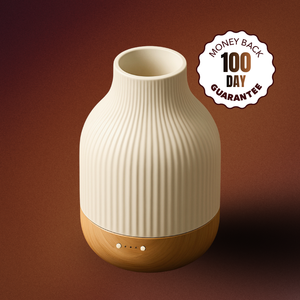
As a new mom, it's easy to feel like there's no time for yourself. Between feedings, diaper changes, and endless chores, "me time" can feel impossible. But even just a few intentional minutes can make a big difference for your energy, mood, and overall well-being. Our guide on bedtime rituals for winding down is a great place to start building a simple end-of-day reset. Recovery routines survive on low effort, which is why the 100-day money-back guarantee and 1-year limited warranty on Scentreat's Ceramic & Rubber Wood Diffuser matter as much as the specification does.
Tips to Carve Out Personal Time
- Schedule short breaks: Even 5 minutes for stretching, journaling, or a shower can help reset your mind.
- Create a mini aromatherapy ritual: Diffuse calming oils nearby, or — if you want them in the bath — stir 3–5 drops into a tablespoon of carrier oil, unscented body wash, or full-fat milk first, then add that to the water. Essential oils don't dissolve in water, so drops tipped straight into the tub float and can sting healing perineal or incision tissue. Either way, the few quiet minutes are the point.
- Accept help with chores: Let friends or family take over tasks so you can focus on yourself.
- Combine baby care with self-care: A gentle baby massage with a plain carrier oil — fractionated coconut, grapeseed, or a fragrance-free baby oil — can be soothing for both of you. Leave essential oils out of it: for babies, diffusing in a well-ventilated room is the only form of aromatherapy most references consider appropriate, and it is worth clearing even that with your pediatrician first.
Essential Oils Safe for Moms and Babies
- Lavender: Calming, supports rest and relaxation.
- Roman Chamomile: Gentle and soothing for nerves and stress.
- Sweet Orange / Mandarin: Uplifting and mood-boosting.
Usage Tips:
- Diffuse in a well-ventilated room for 15–30 minutes.
- Never apply essential oils undiluted on baby's skin.
- Use these moments as a gentle reset to help you feel more centered and energized.
A Simple Postpartum Routine Example (Safe for Mom & Baby)
Take a look at the Ultimate Postpartum Aromatherapy Routine to help tired moms feel calmer and more energized.
| Time | Activity | Aromatherapy Tip (Safe for Mom & Baby) |
|---|---|---|
| Morning | Quick stretch + breakfast | Diffuse Sweet Orange or Mandarin for an uplifting start |
| Afternoon | Short walk + snack | Diffuse Lavender during a quiet moment or add a drop to a carrier oil for mom's wrists |
| Evening | Bath/shower + baby bedtime | Stir Lavender or Roman Chamomile into a tablespoon of carrier oil first, then add that to mom's bath water |
| Night | Wind down before sleep | Diffuse Lavender or Roman Chamomile in the bedroom for a calm sleep environment |
FAQs
How long does postpartum fatigue last?
Most intense exhaustion lasts 6–12 weeks, but full recovery can take several months as sleep patterns normalize.
Can essential oils really help with postpartum recovery?
Essential oils aren't a replacement for medical care, but they provide gentle support for mood, stress, and relaxation. Always dilute oils and consult your healthcare provider or midwife before using oils postpartum or while breastfeeding — peppermint and sage in particular can reduce milk supply. For oils safe around little ones, see our guide to Safe Essential Oils for Pets & Kids.
When should I seek professional help?
If fatigue, mood swings, or anxiety are severe, persistent, or accompanied by thoughts of harming yourself or your baby, contact your doctor immediately. Postpartum depression and anxiety are common and treatable.
Are peppermint or sage oils safe while breastfeeding?
No — avoid them. Peppermint (menthol) and sage are associated with reduced milk supply in nursing moms. Stick to gentle options like lavender, chamomile, or sweet orange, and always check with your provider first.
How can I make time for self-care with a newborn?
Even short, intentional moments count. Schedule mini rituals, ask for help, and remember caring for yourself supports your ability to care for your baby.
Conclusion
Fatigue, fragmented sleep, hormonal shifts, and emotional overwhelm are all completely normal. Knowing the physical milestones—lochia clearing by week 6, your ACOG check-in at 3 weeks, a comprehensive visit at 6–12 weeks—gives you a clear map for when things should settle. A structured routine, small self-care practices, and gentle aromatherapy can make a huge difference, helping you feel grounded and emotionally balanced. Caring for yourself isn't selfish—it's essential for both you and your baby. For a closer look at aromatherapy through the full perinatal journey, read about Aromatherapy for Emotional Swings in Pregnancy.
 Kid-Safe Sleep & Relaxation Oils – Pure Aromatherapy 6-Pack
This soothing collection includes Rose, Lavender, Neroli, Bergamot, Frankincense, and Sandalwood — all 100% pure, gentle enough for the nursery.
calming essential oils for sleepMore Postpartum & Mom Guides
- Bedtime Reflection Oils for Moms | Relax & Unwind
- Burnout Be Gone: Essential Oils for Moms on the Edge
- Geranium Oil: How Moms Use It for Calm and Mood in the Postpartum Months
- Clary Sage Postpartum: What It Can and Can't Do for Mood
- Lavender Oil: Calming Anxiety, Sleep Aid for Postpartum and Fertility
- The Ultimate Postpartum Aromatherapy Routine for Tired Moms

