

Introduction

For where this fits in the wider recovery picture, see postpartum recovery: fatigue, mood swings and stress.
Geranium essential oil is often chosen by aromatherapists during the postpartum period — a time when estrogen and progesterone levels fluctuate dramatically after delivery. These hormonal shifts can contribute to mood swings, anxiety, sleep disturbances, and fatigue, making recovery feel especially demanding for new mothers. We cover the broader emotional landscape in Lavender Oil: Calming Anxiety & Sleep Aid for Postpartum and Fertility.
Derived from the leaves and stems of the Pelargonium graveolens plant, geranium oil contains active compounds such as geraniol and citronellol, which engage the limbic system via the olfactory pathway. This makes it a popular choice for emotional support — not as a direct hormonal therapy, but as a scent that may help the nervous system settle during a period of significant change.
In the sections below, we explore why hormonal shifts matter postpartum, how geranium works at a scent-and-nervous-system level, its practical benefits, safe usage methods, and how it compares to other postpartum oils. For related reading, see How Clary Sage Supports Postpartum Hormone Balance.
Why Hormonal Shifts Matter After Childbirth

During pregnancy, estrogen and progesterone stay elevated to sustain the baby. After delivery, both hormones drop steeply — often within 24–48 hours. This rapid shift is a normal physiological process, but it can trigger a difficult window for mood, sleep, and energy. According to the American College of Obstetricians and Gynecologists (ACOG), postpartum mood changes affect a significant portion of new mothers and deserve proper medical evaluation when persistent.
Supporting yourself through this window often means combining rest, nutrition, support systems, and — for many women — gentle sensory rituals like aromatherapy. Here's what usually steadies as your hormones settle over the following weeks:
- Stable mood: reduced irritability and anxious feelings
- Restorative sleep: more consistent rest during recovery
- Physical recovery: energy, skin, and immunity stabilization
- Emotional resilience: a calmer baseline for bonding and daily life
How Does Geranium Oil Work?
Geranium oil's benefit in aromatherapy is primarily through the olfactory–limbic pathway rather than any direct hormonal action. When inhaled, scent molecules travel via olfactory receptors to the limbic system — the brain's emotional processing center — which in turn influences the autonomic nervous system.
- Limbic engagement: inhalation may prompt the brain to shift toward a parasympathetic (rest-and-digest) state, reducing perceived stress
- Cortisol modulation: some aromatherapy research suggests inhaled floral scents may contribute to lower perceived stress and cortisol-related tension — though robust studies in postpartum women are limited
- Emotional comfort: the rosy, slightly green scent of geranium is widely described as grounding and uplifting, making it a practical choice for difficult emotional moments
The geraniol and citronellol compounds in geranium have also been noted in aromatherapy literature for their calming properties — an observation from practice, not a controlled finding. The National Center for Complementary and Integrative Health (NCCIH) describes the evidence on aromatherapy for stress, anxiety and mood as limited and not yet conclusive, and is clear that it should not replace medical treatment.
 Pair it with 100% Pure Geranium Essential Oil
$14.99
Pair it with 100% Pure Geranium Essential Oil
$14.99
What Benefits Might Geranium Offer Postpartum?

The hormonal drop after birth touches nearly every system, and your body needs time to settle into a new baseline. Geranium isn't a substitute for that process — but many mothers find it useful as a sensory anchor during the harder days. Here's what the aromatherapy community consistently reports, with appropriate context:
- Emotional comfort: its floral, rosy scent may help ease anxious feelings and create a moment of calm — particularly when diffused during a quiet feeding or rest period
- Sleep support: diffusing geranium at bedtime is often described as helpful for winding down, particularly alongside other calming oils like lavender
- Skin recovery: diluted topically, geranium has a traditional use for skin tone and postpartum skin changes — it's gentle enough for most skin types at 1–2% dilution
- Sensory ritual: creating a consistent aromatherapy routine may itself be beneficial — the ritual signals the body to shift gears
A note on "hormone balancing" language: you'll see geranium described as a "hormone balancer" in many aromatherapy sources. What this typically means in practice is that the oil may help you feel more emotionally settled during a hormonally turbulent period — not that it directly raises or lowers estrogen or progesterone. Scientific research on direct hormonal effects in postpartum women remains limited. Treat it as emotional and nervous-system support, not endocrine therapy.
For a deeper look at the postpartum recovery arc, see our guide: Postpartum Recovery 101: How to Handle Fatigue, Mood Swings & Stress.
How Quickly Might You Notice a Difference?

Aromatherapy timelines vary by person and consistency of use. Based on general aromatherapy experience:
- Immediate calm (within minutes): inhalation may reduce acute anxious feelings within 10–20 minutes — the olfactory response is fast
- Short-term sleep improvement (1–2 weeks): consistent nightly diffusion is often associated with an easier wind-down routine
- Sustained emotional support (3–4 weeks): regular use as part of a self-care routine may contribute to a more stable emotional baseline — though this reflects the whole routine, not geranium alone
These timelines reflect anecdotal and aromatherapy-practitioner experience. They are not clinically established benchmarks for postpartum recovery.
 Pair it with 100% Pure Clary Sage Essential Oil
$14.99
Pair it with 100% Pure Clary Sage Essential Oil
$14.99
Safe Use: Four Ways to Use Geranium Postpartum
Geranium oil is considered gentle when used appropriately. The four options below are alternatives, not a sequence — pick the one that fits the moment and use one at a time, with postpartum-specific notes:
| # | Method | Instructions | Best For |
|---|---|---|---|
| 1 | Diffusion | Add 3–5 drops to a diffuser; run for 20–30 minutes per session. | Emotional comfort, wind-down |
| 2 | Inhalation | 1–2 drops on a tissue; inhale slowly for 1–2 minutes. | Quick calm, difficult moments |
| 3 | Topical (diluted) | 1 drop per 1 tsp of carrier oil (1–2% dilution); apply to wrists, neck, or soles. Patch-test first. | Grounding, skin support |
| 4 | Bath | 3–4 drops mixed into carrier oil or Epsom salt first; add to bath and soak 10–15 minutes. | Full-body relaxation |
In a home with cats, leave the door open so the animal can walk out — cats lack glucuronyl transferase, the liver enzyme that clears the phenols and monoterpenes in essential oils. The risk runs lower for dogs, but essential oil should never go onto an animal's coat, paws or bedding, and never into its water bowl.
Safety Notes — Especially for Breastfeeding Mothers
Geranium oil is generally regarded as one of the gentler oils postpartum, but a few precautions are worth knowing:
- Breastfeeding: geranium is generally considered safe for diffusion while breastfeeding. If using topically, avoid application near the breast or nipple area. Observe your infant for any signs of irritability or congestion when diffusing, and stop if you notice a reaction. When in doubt, consult your provider or a certified aromatherapist.
- Skin sensitivity: always perform a patch test; dilute to 1–2% in a carrier oil and discontinue if irritation occurs.
- Asthma or fragrance sensitivities: use at low intensity or in a well-ventilated space; avoid extended diffusion sessions.
- Postpartum depression or anxiety: aromatherapy may offer sensory comfort, but is not a treatment for clinical conditions. If mood changes are persistent or severe, please speak with a healthcare provider. ACOG's postpartum depression resources are a good starting point.
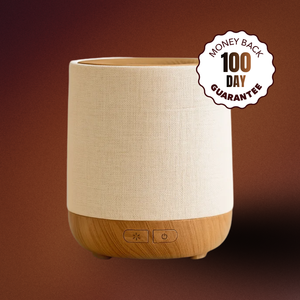
Looking for a reliable way to diffuse? The whisper-quiet ultrasonic diffuser from SCENTREAT runs without heat, which preserves the oil's delicate aroma profile. One note on where you run it: standard aromatherapy guidance for babies under 2 is light, intermittent diffusion — a well-ventilated room, sessions of 20–30 minutes rather than all night, and the machine in your own space rather than in the room where your baby sleeps unless your pediatrician has told you otherwise.
Geranium vs. Other Postpartum Oils

| Essential Oil | Primary Role | Onset (felt) | Best Application | Postpartum Safety Notes |
|---|---|---|---|---|
| Geranium | Emotional comfort during hormonal shifts; skin support | 10–20 min (calm); weeks of consistent use for mood baseline | Diffusion, inhalation, diluted topical | Generally gentle; dilute for skin; avoid topical near breast if breastfeeding |
| Clary Sage | Traditionally associated with hormonal comfort | 2–6 weeks (reported) | Diffusion, massage | Avoid during pregnancy; use low dilution while breastfeeding; consult provider |
| Lavender | Stress relief and sleep support | Minutes (acute calm); 1–2 weeks (sleep) | Diffusion, inhalation, diluted topical | One of the most studied aromatherapy oils; generally gentle; dilute for skin |
Conclusion
Geranium essential oil offers a gentle, accessible layer of emotional support during the postpartum period — a time when scent, ritual, and moments of calm matter more than most people expect. Used via diffusion or careful topical application, it may help ease anxious feelings, support a wind-down routine, and provide a grounding sensory anchor as your body recalibrates.
What it isn't: a clinically proven hormonal treatment. Think of it as a complementary tool in a broader self-care plan that includes rest, nutrition, and proper medical support when needed. For persistent mood symptoms, heavy bleeding, or anything that concerns you, please reach out to your healthcare provider.
If you want to explore a full postpartum aromatherapy approach, start with Postpartum Recovery 101 and pair it with the calm & balance collection for a curated set of oils suited to this season. You can also read about whether essential oils can help with insomnia — a question that comes up a lot in those early postpartum weeks. Scentreat's Minimalist Wood Diffuser is a fabric cover on a solid wood base over a BPA-free ABS + PP reservoir, and sells at $79.95.
Frequently Asked Questions
How quickly does geranium oil help with mood swings?
Can geranium oil support sleep postpartum?
Is geranium oil safe while breastfeeding?
Does geranium oil directly regulate estrogen or progesterone?
What oils blend well with geranium postpartum?
Related reading:
- Lavender Oil: Calming Anxiety & Sleep Aid for Postpartum and Fertility
- How Clary Sage Supports Postpartum Hormone Balance
- Can Essential Oils Help with Insomnia?
Authority references: NCCIH: Aromatherapy · ACOG: Postpartum Depression

