

Key Takeaways
BEST BUY PICKS
Most adults need at least 7 hours of sleep per night to function well. The fastest way to improve sleep quality is to pick a consistent bedtime, keep your bedroom around 65°F (18°C), and stop caffeine 6–8 hours before bed. Layer in a short wind-down ritual and your body will start doing the rest automatically. If you want to go deeper, see our guide to Best Essential Oils for Sleep and Relaxation 2026.
In this guide, we'll walk through the specific habits that make the biggest difference — including a few daytime moves most sleep guides skip entirely.
Your Roadmap to Sleeping Better at Night
Better sleep usually isn't about one big fix. It's about a handful of small habits that add up: a consistent schedule, a calmer wind-down, and an environment that tells your body it's time to rest. The good news is that small habits can make a difference, and most of them are simple to start tonight. This hub pulls together our best practical guides so you can build a routine that actually sticks, then layer in gentle, natural ways to ease into sleep.
Start wherever your biggest struggle is, then explore the rest:
- How to fall asleep fast when your mind won't slow down
- Why you can't fall asleep even when you're exhausted
- What to do when stress keeps you up at night
- How to fix a broken sleep schedule
- How to reset your sleep cycle
- How blue light affects your sleep
- Natural remedies that may help restless nights
- How to sleep deeper and wake up more rested
- Creating a calm corner with aromatherapy at home
Why Good Sleep Feels Harder Than It Should

Many people assume poor sleep only comes from stress or lack of time in bed. But sleep quality is often eroded by small daily habits that slowly shift the body's natural nighttime rhythm — not a single obvious cause.
1. Your Brain Never Fully "Slows Down"
Modern routines keep the brain constantly stimulated.
Notifications, bright screens, late-night work, and overstimulation make it difficult for the nervous system to shift into a calm sleep state. Even when the body feels tired, the mind may stay active longer than expected.
2. Your Body Doesn't Receive Clear Sleep Signals
The body relies on repeated cues to recognize when it's time to sleep.
Irregular routines, inconsistent bedtimes, and bright indoor lighting can confuse this process, making sleep feel less natural and less predictable over time.
3. Your Environment May Be Too Stimulating
Bedrooms often contain more stimulation than people realize.
Excessive warmth, background noise, harsh lighting, or cluttered surroundings can subtly affect how deeply and comfortably the body rests during the night.
4. Evening Habits Affect Sleep More Than Expected
Late caffeine, heavy meals, alcohol, and extended screen exposure may continue affecting the body hours later.
Even when these habits don't prevent sleep completely, they can reduce overall sleep quality and make rest feel lighter or less restorative.
5. Sleep Quality Depends on Consistency
The body responds best to repeated patterns.
Consistent nighttime habits help reinforce the body's internal rhythm, allowing sleep to feel smoother, deeper, and more stable over time.
Best Habits to Sleep Better at Night

If you want to improve sleep quality naturally, focus on habits that help your body recognize when it's time to slow down and rest. Consistency, comfort, and reduced stimulation often make the biggest difference over time. We cover this further in Evening Routine for Better Sleep.
1. Keep a Consistent Sleep Schedule (Most Important)
Going to bed and waking up at the same time every day helps regulate your internal clock. Aim for 7–9 hours — adults who consistently get fewer than 7 hours tend to experience worse mood, focus, and immune function, according to the Sleep Foundation.
Benefits:
- Helps the body fall asleep more naturally
- Supports deeper and more stable sleep cycles
- Reduces nighttime restlessness
- Improves overall sleep consistency
Tips for better consistency:
- Keep your bedtime within the same 30–60 minute window every night — weekends included
- Avoid sleeping in too late on weekends (social jet lag adds up)
- Create a predictable nighttime routine before bed
2. Reduce Light and Screen Exposure Before Bed
Bright screens and constant stimulation can keep the brain mentally active longer than expected. Blue-wavelength light from phones and tablets suppresses melatonin — the hormone that makes you feel sleepy.
How to do it:
- Reduce phone and tablet use 30–60 minutes before bed
- Use softer, warmer lighting in the evening
- Avoid overstimulating content (news, action videos) before sleeping
- Keep the bedroom darker and calmer
For more on the mechanism, see how blue light affects your sleep.
3. Create a Relaxing Wind-Down Routine
The body responds strongly to repeated nighttime habits. A consistent bedtime ritual trains your nervous system to expect sleep.
Simple wind-down habits:
- Reading quietly for 15–20 minutes
- Light stretching or gentle yoga
- A warm shower (the drop in core body temperature afterward helps trigger sleepiness)
- Calming scents or soft background sound
Consistent routines often help sleep feel more automatic over time.
4. Keep Your Bedroom Around 65°F (18°C)
Temperature is one of the most underrated sleep levers. Research suggests the ideal bedroom temperature for sleep is roughly 65–68°F (18–20°C) — cooler than most people keep their rooms.
How to improve comfort:
- Set your thermostat to ~65°F before bed or use a fan for airflow
- Use breathable, lightweight bedding
- Improve airflow if the room feels stuffy
- Avoid heavy blankets that trap heat, especially in warm months
Even a few degrees cooler can meaningfully change how restorative sleep feels overnight.
5. Cut Caffeine 6–8 Hours Before Bed
Caffeine has a half-life of about 5–6 hours — meaning half of a 3pm coffee is still in your system at 9pm. To protect sleep, stop caffeine by early afternoon (roughly 6–8 hours before your target bedtime).
To improve sleep quality:
- Last coffee by 1–2pm if you go to bed around 10–11pm
- Limit heavy meals within 2–3 hours of bedtime
- Reduce alcohol before sleep (it may help you fall asleep faster but disrupts deep sleep stages)
- Stay mindful of hidden caffeine in tea, chocolate, and energy drinks
6. Get Morning Light and Move Your Body During the Day
Better sleep starts before sundown. Two daytime habits matter more than most people realize:
- Morning light exposure (10–30 min outdoors) — bright natural light in the first hour after waking anchors your circadian rhythm and makes it easier to fall asleep at night. Even a cloudy sky outdoors delivers far more light signal than indoor lighting.
- Regular physical activity — people who exercise regularly tend to fall asleep faster and sleep more deeply, according to the Sleep Foundation. Aim for at least 20–30 minutes of moderate movement most days. Timing note: vigorous exercise within 1–2 hours of bedtime can delay sleep for some people — morning or afternoon is safer if you're sensitive.
These two habits reinforce each other: morning light sets the clock, exercise deepens the sleep drive. Neither costs anything.
Habits That Can Make Sleep Worse

When learning how to sleep better at night, understanding what disrupts sleep is just as important as building healthy routines. Certain habits can overstimulate the body, confuse the sleep cycle, and reduce sleep quality over time.
Doomscrolling Before Bed
Using your phone late at night is one of the most common sleep disruptors.
- Keeps the brain mentally stimulated
- Increases blue-light exposure, delaying melatonin release
- Makes it harder to fully relax before sleep
- Encourages mental overstimulation late at night
Even short periods of scrolling can keep the mind more alert than expected. Swap the phone for a paperback or light stretching.
Irregular Bedtimes
Constantly changing your sleep schedule can confuse the body's internal rhythm.
- Makes falling asleep less predictable
- Disrupts natural sleep timing
- Can lead to lighter, less restorative sleep
The body responds best to repeated patterns and consistent timing — even on weekends.
Too Much Caffeine Late in the Day
Caffeine can remain active in the body for hours longer than many people realize. A cup at 3pm can still affect you at 9pm.
- Increases alertness late at night
- Makes it harder to relax naturally
- Can reduce sleep depth and quality
- May contribute to nighttime restlessness
Sleeping in an Overstimulating Environment
Your bedroom environment directly affects how deeply you sleep.
- Bright lights
- Background noise
- Room temperature above 70°F (21°C)
- Cluttered or overstimulating spaces
- Harsh artificial lighting before bed
Lying in Bed Awake Too Long
If you can't fall asleep after roughly 20 minutes, get up. Lying awake in bed trains your brain to associate the bed with wakefulness — the opposite of what you want. Go to a dim room, do something calm and boring, and return when you feel sleepy. This is one of the core principles of cognitive behavioral therapy for insomnia (CBT-I).
How to Relax Your Body Before Sleep

Improving how you sleep at night often starts before you get into bed. Helping the body slow down, reduce stimulation, and transition into a calmer state can make falling asleep feel more natural.
Breathing and Relaxation Techniques
Slow breathing calms the nervous system and reduces physical tension. Try:
- Deep belly breathing (4 counts in, hold 4, exhale 6)
- Progressive muscle relaxation — tense and release each muscle group from feet to face
- Quiet mindfulness or a brief body scan
The goal is not to force sleep, but to help the body shift into a more relaxed state naturally.
Light Stretching and Gentle Wind-Down Habits
Gentle movement can help release tension built up throughout the day. Helpful nighttime habits:
- Light stretching (5–10 minutes)
- Short walk after dinner
- Warm shower or bath 60–90 minutes before bed
- Reading quietly instead of screen time
Avoid intense workouts close to bedtime — they may keep the body more alert.
Create Consistent "Sleep Signals"
The body learns through repetition. Repeated nighttime habits help signal the brain that it's time to slow down. This may include:
- Dim lighting starting 1 hour before bed
- Calm music or background sound
- Consistent bedtime start time
- Gentle scents associated with relaxation (lavender, chamomile, cedarwood)
Over time, these repeated cues can help sleep feel more automatic and less forced.
Bedroom Setup Tips for Better Sleep

Your sleep environment plays a major role in how deeply and comfortably you rest at night. Small adjustments to lighting, temperature, bedding, and overall atmosphere can meaningfully support sleep quality over time.
Lighting
Light exposure strongly affects the body's sleep rhythm.
- Use softer, warmer lighting in the evening (2700K bulbs or lower)
- Reduce bright overhead lights at least 1 hour before bed
- Keep the bedroom as dark as possible during sleep (blackout curtains help)
- Limit screen exposure close to bedtime
A darker environment supports melatonin production and encourages the body to relax naturally.
Temperature (~65°F / 18°C)
A cooler room supports deeper and more comfortable sleep. The body needs to drop its core temperature slightly to initiate sleep — a warm room fights that process.
- Target: 65–68°F (18–20°C)
- Use breathable bedding materials (cotton, linen, bamboo)
- Improve airflow if the room feels stuffy
- Avoid overheating before sleep
Noise Control
Background noise can interrupt lighter sleep stages, even if you don't fully wake up. Helpful adjustments:
- Reduce sudden or unpredictable sounds (phone on silent, door closed)
- Use soft ambient sound (brown noise, rain, fan) if total silence feels jarring
- Keep the sleep environment calm and quiet
Comfortable Bedding and Pillows
Comfort and support affect how relaxed the body feels overnight. Choose bedding that feels breathable and use pillows that support natural neck alignment. A comfortable setup reduces unnecessary physical tension that may interrupt rest.
How Scent and Environment Affect Sleep Quality

If you're trying to improve how you sleep at night, your environment matters just as much as your routine. The brain constantly responds to sensory signals — lighting, sound, temperature, and scent — especially during the hours leading up to sleep. Certain calming essential oils like lavender and chamomile are widely used in pre-sleep routines, and systematic reviews have found that aromatherapy may support perceived sleep quality for many people. For more on this, read our guide on what to do when stress keeps you up at night.
A calmer nighttime environment can help reduce overstimulation and support a smoother transition into rest. Over time, consistent sleep cues may help the body recognize when it's time to slow down and relax naturally.
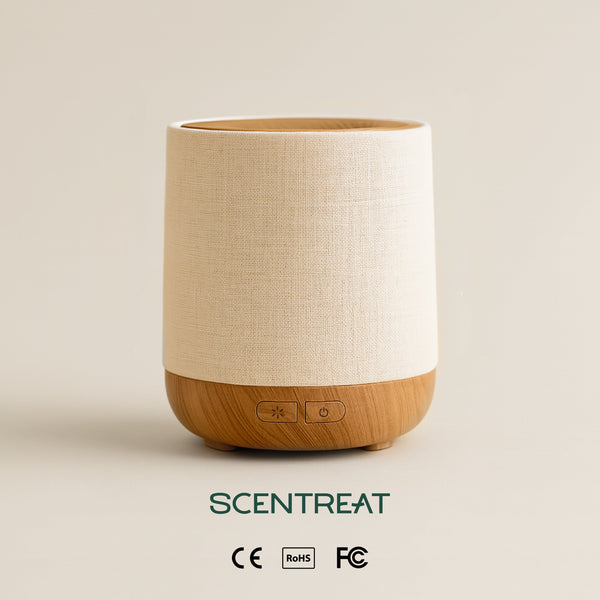
The whisper-quiet ultrasonic diffuser from SCENTREAT is designed to support a more relaxing nighttime atmosphere through balanced scent diffusion and quiet operation. Its soft ultrasonic mist and low-stimulation design help create an environment that feels calmer and more consistent before bed.
Why It Supports Better Sleep Routines:
- Quiet ultrasonic operation suitable for nighttime use
- Balanced scent diffusion that feels soft rather than overpowering
- Warm ceramic and rubber wood design — no plastic parts touching the water
- Helps create a more relaxing evening atmosphere
- Designed for consistent everyday use as part of a nighttime routine
When paired with better sleep habits, a comfortable bedroom setup, and reduced evening stimulation, a calmer sensory environment can help make sleep feel more natural and restorative. You can explore the full sleep & relaxation collection or pair the diffuser with oils from our 100% pure essential oil range to build your own wind-down ritual.
When to See a Doctor About Sleep Problems
Good sleep hygiene helps most people. But if you've been trying consistently for several weeks and sleep still isn't improving, it may be time to talk to a healthcare provider. The CDC and sleep specialists recognize chronic insomnia as a medical condition — not just a lifestyle issue.
Consider speaking with a doctor if you experience:
- Difficulty falling or staying asleep 3 or more nights per week for 3+ months
- Waking up unrefreshed even after a full night in bed
- Loud snoring, gasping, or pauses in breathing during sleep (possible sleep apnea)
- An irresistible urge to move your legs at night (restless leg syndrome)
- Daytime sleepiness severe enough to affect work, driving, or safety
What a doctor may recommend: The most effective non-drug treatment for chronic insomnia is Cognitive Behavioral Therapy for Insomnia (CBT-I) — a structured approach that addresses the thought patterns and behaviors that maintain poor sleep. It has a strong track record and is generally recommended as a first-line treatment before sleep medication. You can explore some of the underlying strategies in our natural remedies for insomnia guide.
Conclusion
Better sleep comes from consistency, not quick fixes. Start with the anchors — a steady schedule, a room around 65°F, caffeine cut off 6–8 hours before bed — then layer in morning light, regular movement, and a short wind-down ritual. If sleep still isn't improving after a few weeks, don't push through it alone: talk to your doctor. With quiet operation and balanced scent diffusion, SCENTREAT helps support a more relaxing nighttime atmosphere designed for deeper, more consistent rest.
More Better Sleep Guides
- Can't Sleep When Tired? Causes Explained
- Can't Sleep Due to Stress? Try This Simple Night Routine
- Creating a Calm Corner: Aromatherapy at Home
- How Blue Light Affects Your Sleep?
- How to Fall Asleep Fast: What Actually Works
- How to Fix Your Sleep Schedule Without Exhaustion?
- How to Reset Your Sleep Cycle Naturally and Fall Asleep Easier
- How to Sleep Deeper at Night: Natural Deep Sleep Tips That Actually Help
- 10 Natural Remedies for Insomnia That Actually Work
- Poor Sleep Quality: Why You're Not Sleeping Well
- How to Calm Your Mind and Sleep Better?
- Sleep Anxiety at Night: Why You Can't Relax
- Quiet Diffuser for Bedroom: Why Low Noise Matters for Better Sleep
Frequently Asked Questions
How many hours of sleep do adults actually need?
Most adults need 7–9 hours per night. Consistently sleeping fewer than 7 hours is linked to poorer focus, mood, and immune function. The exact amount varies slightly by individual, but 7 hours is the widely-cited floor for healthy adults.
How can I sleep better at night naturally?
Consistent sleep schedules, calming nighttime habits, and a comfortable cool environment (around 65°F) can improve sleep naturally. Adding morning light exposure and regular exercise during the day strengthens the effect.
What habits make sleep worse?
Late caffeine (within 6–8 hours of bedtime), bright screens before bed, irregular bedtimes, and overstimulating evening routines can all disrupt sleep quality.
Why is my brain more active at night?
Stress, screen exposure, and overstimulation can make it harder for the nervous system to relax. If you can't fall asleep after 20 minutes, get out of bed rather than lying awake — this prevents your brain from associating bed with wakefulness.
Can essential oils help support better sleep?
Calming scents like lavender and chamomile may help create a more relaxing nighttime environment and support healthy sleep routines. Systematic reviews suggest aromatherapy may improve perceived sleep quality for many people.
Why is Scentreat good for nighttime routines?
Scentreat diffusers focus on quiet ultrasonic operation and balanced scent diffusion — both features that make them well-suited to a calm sleep environment without disturbing light or noise.