

Key Takeaways
BEST BUY PICKS
How to sleep deeper at night? The short answer: protect your slow-wave (N3) sleep by going to bed earlier, cutting alcohol and caffeine in the evening, and keeping your bedroom cool, dark, and quiet. Deep sleep occurs mostly in the first half of the night — so small disruptions early on have an outsized cost. Consistent sleep timing and a lower-stimulation evening routine are the two highest-leverage habits for most people.
For the complete guide, see How to Sleep Better at Night With Simple Habits That Actually Work.
In this Scentreat guide, you'll discover practical deep sleep tips, simple nighttime adjustments, and supportive sleep habits that may help improve deep sleep naturally. With a calmer sleep environment and more consistent routines, it becomes easier to support deeper rest and wake up feeling more refreshed instead of restless.
What Is Deep Sleep and Why Does It Matter?

Deep sleep — also called slow-wave sleep or N3 sleep — is the deepest stage of non-REM sleep and the hardest to wake from. According to the Sleep Foundation, slow-wave sleep typically makes up roughly 20% of a night's total sleep and is concentrated in the first few sleep cycles of the evening.
During deep sleep, the body focuses on important recovery processes that support physical restoration, immune function, muscle recovery, and overall nervous system regulation. This stage of sleep also plays a role in memory processing, mental recovery, and helping you feel more refreshed the next day.
1. Deep Sleep Supports Physical Recovery
One of the most important functions of deep sleep is helping the body recover physically. During this stage, the body slows down, muscles relax more deeply, and important recovery processes become more active overnight.
When deep sleep becomes fragmented or too short, the body may not feel fully recovered the next morning.
2. Deep Sleep Helps the Brain Reset
Deep sleep also supports mental restoration. The brain uses this stage of sleep to process information, support memory consolidation, and recover from mental fatigue built up throughout the day.
People who experience lighter or interrupted sleep often describe feeling mentally foggy, overstimulated, or less refreshed after waking. If you wake up tired despite getting enough hours, our post on why you feel tired after sleeping breaks down the most common causes.
3. Deep Sleep Naturally Happens More Earlier in the Night
Many people assume deep sleep should remain constant throughout the entire night, but this is not how normal sleep architecture works.
Deep sleep typically occurs more heavily during the first half of the night, while REM sleep becomes more common closer to the morning. This means it is normal for deep sleep periods to become shorter later in the night.
Because of this, protecting the overall quality and consistency of sleep is often more important than trying to "force" more deep sleep minutes.
4. Interrupted Sleep Can Reduce Deep Sleep Quality
Frequent waking, stress, noise, overheating, irregular sleep schedules, caffeine, alcohol, and excessive nighttime stimulation can all interrupt the body's natural sleep cycles.
When sleep becomes repeatedly disrupted, the body may spend less time in deeper restorative sleep stages and more time in lighter sleep.
5. Deep Sleep Is About Sleep Quality, Not Just Sleep Hours
Sleeping longer does not always guarantee deeper or more restorative sleep. Some people spend enough hours in bed but still experience fragmented sleep that prevents the body from fully settling into deeper sleep stages.
Many people spend enough hours in bed but still struggle with poor sleep quality, which can leave them feeling tired and unrested despite getting what appears to be enough sleep.
Improving deep sleep often comes down to reducing interruptions, supporting healthier nighttime habits, and creating an environment that helps the body stay asleep more consistently throughout the night.
What Disrupts Deep Sleep at Night?

Deep sleep is one of the most restorative stages of sleep, but it is also easier to interrupt than many people realize. Even small disruptions during the night can break the body's natural sleep cycles and reduce the amount of time spent in deeper sleep stages.
Several habits and conditions are commonly linked to reduced deep sleep.
1. Going to Bed Too Late Consistently
Deep sleep naturally occurs more heavily during the first half of the night. Consistently delaying bedtime or shortening total sleep time may reduce the body's opportunity to enter deeper slow-wave sleep stages.
Over time, late-night schedules can affect overall nighttime recovery and sleep depth.
2. Caffeine Too Close to Bedtime
Caffeine may stay active in the body for several hours after consumption. Even when it does not fully prevent sleep, it can still reduce sleep depth and make sleep feel lighter or less restorative overnight.
People sensitive to caffeine may notice the effects even earlier in the evening.
3. Alcohol Before Sleep
Alcohol is sometimes used to feel sleepy faster, but it interferes with deep sleep in a specific way: alcohol suppresses slow-wave (N3) sleep, shifting the night toward lighter sleep stages even when total sleep time looks normal. Moderate intake close to bedtime may reduce the recovery quality of your rest.
Instead of supporting stable deep sleep, alcohol contributes to more fragmented sleep cycles and increased nighttime waking as it metabolizes during the second half of the night.
4. Frequent Sleep Interruptions
Deep sleep depends on longer, uninterrupted sleep cycles. Noise, overheating, discomfort, movement, or repeated waking during the night may interrupt these cycles before the body stays in deeper sleep long enough.
Even brief awakenings can reduce overall sleep continuity.
5. Excessive Light Exposure at Night
Bright lighting and screen exposure close to bedtime may delay the body's natural nighttime rhythm and make it harder for the brain to transition into deeper sleep stages naturally.
This is especially common with prolonged phone or tablet use before bed.
6. Breathing Disruptions During Sleep
Conditions like sleep apnea may repeatedly interrupt sleep throughout the night, even if the person does not fully wake up each time.
Because deep sleep requires more stable sleep cycles, breathing disruptions can significantly affect how restorative sleep feels overall.
7. Chronic Sleep Debt
When the body consistently does not get enough sleep, overall sleep architecture may become disrupted over time.
Lack of sleep often affects both sleep duration and the body's ability to maintain healthy deep sleep patterns consistently.
Best Sleep Habits and Positions for Deeper Sleep

The way you sleep — including your sleeping position, physical comfort, and nighttime habits — can influence how uninterrupted and restorative your sleep feels throughout the night. While no single sleeping position guarantees deeper sleep, proper body support and reduced nighttime discomfort may help the body stay asleep more consistently.
Sleeping on Your Side
Side sleeping is often considered one of the most supportive positions for reducing nighttime disruptions, especially for people who snore or experience breathing discomfort during sleep.
Keeping the head, neck, and spine in a more neutral position may help reduce unnecessary strain and improve overall sleep comfort. A supportive pillow that fills the space between the neck and shoulder can help maintain better alignment throughout the night.
For some people, side sleeping may also help reduce snoring-related sleep interruptions compared to sleeping flat on the back.
Sleeping on Your Back
Back sleeping can also support deeper sleep when the head and neck are properly supported.
The goal is to keep the neck in a neutral position without pushing the head too far forward. A pillow with balanced support may help reduce pressure points and nighttime discomfort that could interrupt sleep.
People who sleep on their backs may benefit from a cooler sleep surface and supportive mattress setup to help maintain comfort throughout the night.
Positions That May Interrupt Sleep More Easily
Sleeping in positions that create discomfort, overheating, or restricted breathing may increase the likelihood of nighttime waking and lighter sleep.
For some people, stomach sleeping may place more strain on the neck and body, while overly soft or unsupportive sleep setups may contribute to discomfort that interrupts sleep continuity.
Physical discomfort during the night can sometimes reduce the body's ability to remain in deeper sleep stages consistently.
Consistency and Comfort Matter Most
Deep sleep depends heavily on uninterrupted sleep cycles. Even healthy nighttime habits may feel less effective if discomfort, overheating, poor support, or repeated waking continue throughout the night.
Creating a sleep setup that feels supportive, comfortable, and less disruptive often plays an important role in maintaining deeper and more stable sleep over time.
How to Sleep Deeper at Night: Step-by-Step Tips

Improving deep sleep naturally often comes down to protecting uninterrupted sleep cycles and helping the body settle into a more stable nighttime rhythm. Instead of chasing "perfect sleep," small adjustments that reduce disruption and nighttime alertness may help support deeper rest over time.
Step 1: Avoid Delaying Sleep Too Long
Deep sleep naturally happens more heavily during the earlier part of the night. Frequently staying awake too late may shorten the body's opportunity to spend time in deeper sleep stages.
Keeping a more stable bedtime may help support more consistent nighttime recovery.
Step 2: Create More Separation Between Daytime and Nighttime
Many people move directly from work, screens, or mental stimulation into bed without giving the body time to slow down.
Creating a slower transition into nighttime — even briefly — may help reduce mental alertness before sleep and support a more settled bedtime rhythm.
Step 3: Reduce Things That Commonly Interrupt Sleep Cycles
Deep sleep depends heavily on continuity. Noise, overheating, discomfort, notifications, or frequent waking may repeatedly interrupt deeper sleep stages throughout the night.
Even small environmental adjustments that reduce interruptions may help support deeper and more stable sleep patterns.
Step 4: Keep Evening Habits More Predictable
The body often responds better to repeated nighttime cues than constantly changing routines.
Simple habits like dimming lights, lowering activity levels, or creating a calmer nighttime atmosphere may help the brain recognize when it is time to transition toward rest.
Step 5: Avoid Overloading the Nervous System Before Bed
Constant stimulation late at night — including intense entertainment, emotionally stressful content, or nonstop scrolling — may keep the nervous system more active longer into the evening.
Reducing sensory overload before bed may help support a smoother transition into deeper sleep.
Step 6: Make the Bedroom Feel More Comfortable for Staying Asleep
Deep sleep is easier to maintain when the environment feels calm, comfortable, and less disruptive overnight.
A quieter bedroom atmosphere, softer lighting, and calming nighttime sensory cues may help support longer and less interrupted sleep cycles. Some people also incorporate relaxing scent rituals or quiet ultrasonic diffusers into their nighttime routines to help create a more settled evening environment without overwhelming the room.
Choosing the right scent can help support a calmer bedtime atmosphere. Our guide to the best essential oils for sleep and relaxation explores some of the most popular options used in evening routines. If you're curious whether aromatherapy can actually move the needle on sleep, see our deep-dive: does aromatherapy really help insomnia?
Step 7: Focus on Sleep Consistency Instead of "Perfect Sleep"
Deep sleep naturally changes from night to night. Rather than focusing on tracking every sleep stage, it is often more helpful to support habits that improve overall sleep consistency and reduce repeated nighttime disruption over time.
What to Avoid When Trying to Improve Deep Sleep

When trying to improve deep sleep naturally, many people focus too heavily on quick fixes while overlooking the habits that repeatedly interrupt normal sleep cycles. In many cases, deeper sleep comes more from consistency and fewer interruptions than from trying to "force" deep sleep itself.
1. Relying on Quick Sleep Hacks Instead of Consistent Habits
Deep sleep usually improves through stable routines rather than instant solutions.
Constantly changing bedtime schedules, trying random sleep hacks, or expecting overnight results may make it harder for the body to maintain a predictable sleep rhythm over time.
2. Using Alcohol or Screens Too Close to Bedtime
Alcohol may make you feel sleepy faster, while phones, tablets, and stimulating content can keep the brain mentally active longer into the night.
Both habits may interfere with normal sleep architecture and contribute to lighter or more fragmented sleep cycles. Alcohol in particular suppresses slow-wave sleep — the deepest and most physically restorative stage — even in moderate amounts consumed within a few hours of bedtime.
3. Ignoring Physical Comfort and Sleep Continuity
Deep sleep depends heavily on uninterrupted sleep cycles. Overheating, discomfort, pressure points, noise, or an overstimulating bedroom setup may repeatedly interrupt sleep throughout the night without fully waking you each time.
Creating a calmer and more comfortable nighttime environment may help support longer and more stable sleep cycles over time.
When to See a Doctor About Deep Sleep Problems

Occasional lighter sleep or restless nights can happen from stress, schedule changes, or temporary disruptions. However, consistently poor deep sleep or severe nighttime symptoms may sometimes point to underlying sleep-related conditions that require medical attention.
You should consider speaking with a healthcare professional if:
- You regularly feel exhausted despite getting enough hours of sleep
- Sleep disruptions continue for several weeks even after improving sleep habits
- Loud snoring, choking, gasping, or breathing pauses happen during sleep
- Daytime sleepiness starts affecting focus, driving, work, or daily activities
- You frequently wake up feeling short of breath, anxious, or physically unrested
More serious symptoms — such as chest pain, severe breathing difficulty during sleep, or sudden extreme fatigue — should always be evaluated promptly by a healthcare professional.
While improving nighttime habits and creating a more supportive sleep environment may help encourage deeper sleep naturally, persistent sleep disruption should not be ignored. Identifying underlying sleep problems early may help support safer, healthier, and more restorative sleep long-term.
Choosing the Right Sleep Environment for Deeper Sleep

Choosing the right sleep environment is an important part of learning how to sleep deeper naturally. A bedroom that feels overstimulating, uncomfortable, or disruptive may interrupt sleep cycles throughout the night and reduce overall sleep depth.
The goal of a better sleep environment is not perfection — it's creating a space that helps the body stay relaxed, comfortable, and less interrupted overnight.
Why Sleep Environment Matters for Deep Sleep
Deep sleep depends heavily on uninterrupted sleep cycles. Even small disruptions during the night may make sleep feel lighter or less restorative over time.
Common environmental factors that may affect deep sleep include:
- Excess noise or nighttime interruptions
- Bright lighting or excessive screen exposure before bed
- Overheating or uncomfortable room temperature
- Mentally overstimulating bedroom environments
- Inconsistent nighttime habits and routines
Reducing these disruptions may help support longer and more stable sleep cycles naturally.
How to Create a More Supportive Sleep Environment
When trying to improve deep sleep naturally, many people focus only on bedtime routines while overlooking the environment itself.
Some simple adjustments that may help support deeper sleep include:
- Keeping the bedroom cooler and more comfortable
- Lowering lighting levels before bed
- Reducing noise and unnecessary distractions
- Limiting mentally stimulating activities late at night
- Creating more consistent nighttime routines
Over time, these small changes may help the body transition into sleep more smoothly and reduce repeated nighttime interruptions.
Supporting a Calmer Nighttime Atmosphere
A bedroom that feels calmer and less stimulating may help the nervous system settle more naturally before sleep.
Some people incorporate gentle nighttime cues like softer ambient lighting, quieter evening routines, or subtle essential oil diffusion to help create a more relaxing sleep environment without overwhelming the space.
Many of the best essential oil diffusers for bedroom sleep are designed around these same principles, helping create a quieter and more comfortable environment before bed.
Creating a more comfortable and supportive nighttime atmosphere may help encourage deeper, more consistent, and less interrupted sleep over time.
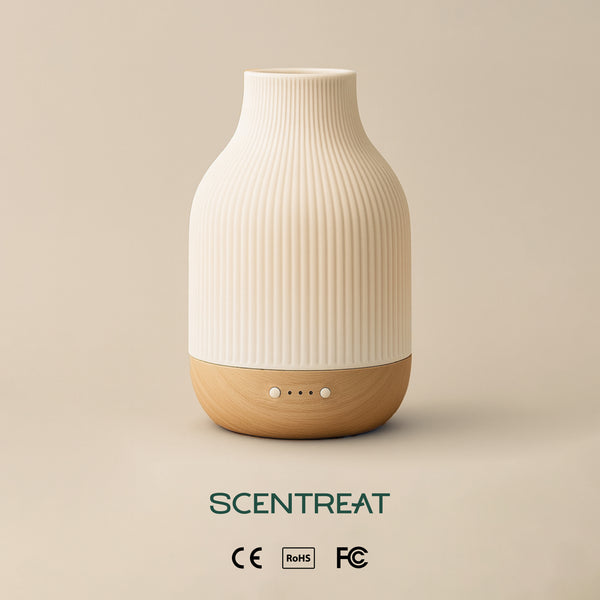
Scentreat Rubber Wood & Ceramic Ultrasonic Essential Oil Diffuser for Better Deep Sleep Routines

The Scentreat Rubber Wood & Ceramic Diffuser is designed for people looking to create a more settled nighttime environment while building healthier deep sleep habits naturally. Instead of creating an intense fragrance experience, it focuses on supporting a quieter and lower-stimulation atmosphere that feels more suitable for evening wind-down routines.
For many people trying to improve deep sleep, the challenge is not simply falling asleep — it's helping the body stay relaxed and uninterrupted throughout the night. A bedroom that feels calmer and less mentally active may help support longer and more stable sleep cycles over time.
The diffuser uses ultrasonic mist technology to distribute essential oils gently throughout the space without creating overwhelming scent concentration or excessive sensory stimulation. This lighter diffusion style works especially well in bedrooms where comfort, relaxation, and nighttime consistency matter more than intensity.
Key Features:
- Low-Noise Ultrasonic Diffusion: Designed to operate quietly in nighttime environments where excessive sound or stimulation may interfere with relaxation before sleep.
- Balanced Essential Oil Mist: Creates a softer aromatic atmosphere that feels more subtle and comfortable for evening use compared to stronger fragrance systems.
- Minimal Rubber Wood & Ceramic Design: Natural-inspired design that blends easily into calming bedroom spaces and nighttime wellness setups.
- Soft Ambient Glow: Provides gentle evening lighting that feels less harsh than bright overhead lights or screens late at night.
- Automatic Shut-Off for Nighttime Use: Supports more convenient use during evening routines without constant monitoring or adjustment.
- Supports Consistent Wind-Down Habits: Works well as part of a more intentional nighttime routine focused on reducing overstimulation and supporting more stable sleep patterns.
If you're looking to support deeper sleep naturally, pairing a quiet diffuser for the bedroom with oils for a night ritual may help encourage more comfortable, less interrupted, and more consistent nighttime routines over time.
Conclusion
Learning how to sleep deeper naturally often comes down to improving sleep consistency, reducing nighttime interruptions, and creating a calmer environment that supports more stable sleep cycles. With healthier evening habits and a more supportive nighttime atmosphere, Scentreat helps make it easier to build more relaxing nighttime routines that encourage deeper and more restorative sleep over time.
For more tips and ideas, follow us on Facebook and Instagram. If you have any questions about Scentreat's products or promotions, please feel free to contact us at support@scentreat.com. Our dedicated team is available 24/7 and always happy to assist you.
Frequently Asked Questions
How can I sleep deeper naturally?
Improving deep sleep naturally may involve maintaining a consistent sleep schedule, reducing nighttime stimulation, limiting caffeine late in the day, avoiding alcohol close to bedtime, and creating a calmer sleep environment.
What causes lack of deep sleep?
Common causes include stress, fragmented sleep, irregular sleep schedules, alcohol, caffeine, nighttime overstimulation, and underlying sleep disorders like sleep apnea.
Is deep sleep more important than sleep duration?
Both are important. However, sleeping longer does not always guarantee restorative sleep if deep sleep cycles become repeatedly interrupted.
Can stress affect deep sleep?
Yes. Ongoing stress and mental overstimulation may make it harder for the body to remain in deeper sleep stages consistently throughout the night.
Can essential oil diffusers support nighttime relaxation?
Some people use ultrasonic essential oil diffusers as part of calming nighttime routines to help create a quieter and more relaxing bedroom atmosphere before sleep.