

Key Takeaways
BEST BUY PICKS
⚠️ Important safety notice — read before using any essential oil with your baby
- Infants under 3 months: Most essential oils are not considered safe for newborns. Colic peaks in weeks 2–6 of life — consult your pediatrician before introducing any aromatherapy at this age.
- Never apply undiluted oil directly to infant skin. Always dilute to 0.25% maximum (1 drop per 4 teaspoons of carrier oil).
- Suspected ingestion or reaction? Call Poison Control immediately: 1-800-222-1222.
- Always consult your pediatrician first — especially if your baby is premature, has respiratory issues, eczema, or any underlying condition.
The short answer: Lavender, Roman chamomile, and sweet orange — diluted to 0.25% in a carrier oil — are the most widely cited options for gentle colic support in babies over 3 months. Diffuse for 10–15 minutes maximum per session, never apply undiluted, and non-oil methods (skin-to-skin, white noise, gentle tummy massage) should always come first. According to HealthyChildren.org (AAP), most colic resolves naturally by 3–4 months — essential oils are a comfort tool, not a cure.
Try These First: Non-Oil Colic Soothers
Before reaching for essential oils, the following evidence-backed approaches are safe for newborns of any age and should be the foundation of your colic routine:
- Skin-to-skin contact — holding your baby chest-to-chest calms the nervous system and regulates heart rate and breathing.
- Gentle tummy massage — clockwise strokes on the abdomen help move trapped gas through the digestive tract.
- White noise or rhythmic shushing — mimics the womb environment; many babies settle within minutes.
- Swaddle + gentle motion — swaddling combined with slow rocking or a car ride reduces overstimulation.
- Bicycle legs — gently pedaling your baby's legs while lying on their back can relieve gas pressure.
Once your baby is over 3 months and your pediatrician has given the go-ahead, aromatherapy can be layered in as a gentle complement to the above.
What Is Baby Colic?
Baby colic is characterized by intense, frequent crying episodes in infants who are otherwise healthy and thriving. Typically appearing in the first few weeks of life, colic often lasts for several hours a day, usually during the late afternoon or evening.
For the complete guide, see Safe Essential Oils for Pets & Kids.
Although the exact cause of colic remains unclear, research suggests it may be linked to digestive discomfort such as gas, bloating, or an immature digestive system. Some infants may also be more sensitive to environmental stimuli or maternal diet factors.
For parents, colic can be emotionally and physically draining. Feeling unsure about how to soothe a crying baby is common, and many caregivers seek safe, natural remedies to ease discomfort and foster a calm environment. For a closer look, read about Oils to Ease Infant Gas and Bloating | Safe Baby Gas Essential Oils.
Why Use Essential Oils for Colic Relief?

In recent years, aromatherapy has gained popularity as a gentle, natural approach for supporting infant wellness. Essential oils are concentrated plant extracts that interact with the limbic system, the part of the brain responsible for emotion, stress regulation, and comfort responses.
For colicky babies over 3 months, the potential benefits of aromatherapy may include:
- Calming the nervous system: Certain oils may help reduce overstimulation and promote relaxation.
- Soothing abdominal discomfort: Oils like Roman chamomile may ease digestive tension and gas.
- Supporting restful sleep: Relaxing aromas can help infants settle more easily.
Parents often prefer essential oils as an adjunct to standard care because they offer non-invasive, natural support without the use of medications. At Scentreat, our focus is on safe, 100% pure essential oils curated for families seeking gentle natural relief options.
Safe Essential Oils for Babies with Colic (3 Months+)

Not all essential oils are safe for infants, and careful consideration is required before introducing them. The three oils below are among the most widely cited for colic support in babies over 3 months old when used at a 0.25% dilution. Always confirm with your pediatrician before starting. We cover this further in Diffusing Essential Oils Around Dogs.
Lavender (Lavandula angustifolia):
Lavender is perhaps the most widely studied essential oil for infant use. Its calming properties may help relax the baby's mind and body, reducing fussiness and promoting a sense of comfort. Research suggests that inhaled lavender may help reduce perceived distress.
- When inhaled via diffusion, some babies may show signs of calming within 10–15 minutes — slower breathing, decreased crying, more relaxed body movements.
- For topical use, diluted lavender massage on the feet or tummy may take 15–30 minutes to produce a noticeable soothing effect.
- Regular nightly use may support improved sleep patterns over 1–2 weeks.
Roman Chamomile (Chamaemelum nobile):
Traditionally used to ease digestive upset, Roman chamomile may help relieve bloating, gas, and colic-related discomfort. Its gentle, sweet aroma also promotes relaxation and supports restful sleep.
- Parents often notice a calming effect within 10–20 minutes of diffusion, especially if combined with soft rocking or lullabies.
- Topical application — diluted appropriately in a carrier oil and massaged onto the baby's abdomen — may take 15–30 minutes for the baby to respond.
- With consistent use over 1–2 weeks, Roman chamomile may help stabilize the baby's digestive rhythm and nighttime sleep.
Sweet Orange (Citrus sinensis):
Sweet orange oil is mild, uplifting, and comforting, often used to reduce irritability and support mood while addressing mild digestive discomfort.
- Diffusion of sweet orange can provide a calming effect within 5–10 minutes for some infants, helping them settle and reducing crying spells.
- Topical use should always be diluted and applied to the feet or lower back; calming effects may appear within 10–20 minutes.
- Phototoxicity note: Sweet orange is generally low phototoxicity risk, but avoid applying it topically before sun or UV lamp exposure — prefer diffusion in the nursery.
When used regularly, sweet orange can complement lavender or chamomile to maintain a calm, positive environment.
Pro Tips for Timing & Effectiveness:
- Every baby is different; some may respond quickly, while others may need consistent daily use over 1–2 weeks to notice stable improvements.
- Combining diffusion with gentle touch, rocking, or a bedtime routine can enhance the oils' effectiveness.
- Always monitor your baby closely and discontinue use if any irritation, sensitivity, or unusual reaction occurs.
Oils to Avoid for Babies with Colic
Some essential oils that are safe for adults are not appropriate for infants — even diluted. Avoid these when caring for a colicky baby:
- Peppermint (Mentha piperita) — contains high levels of menthol, which can slow breathing in infants. Not recommended under 2 years.
- Eucalyptus (Eucalyptus globulus) — 1,8-cineole content can cause respiratory distress in young children. Avoid under 2 years (some guidelines extend to 10 years for direct topical use).
- Clary Sage (Salvia sclarea) — hormone-mimicking compounds; not recommended for infants or young children.
- Fennel (Foeniculum vulgare) — contains trans-anethole; best avoided under 6 months, and use with caution under 2 years.
- Birch & Wintergreen — contain methyl salicylate, which is toxic at low doses for infants.
- Oregano, thyme, cinnamon bark, and clove bud — "hot" oils with phenol content that can irritate or burn infant skin even diluted.
When in doubt, stick to lavender and Roman chamomile — the two most gently-profiled oils for infant use — and always check with your pediatrician.
How to Use Essential Oils Safely for Baby's Colic
 Safety is the cornerstone of aromatherapy for infants. Here are practical methods to incorporate essential oils into your baby's routine:
Dilution Guidelines
- Infants require very low concentrations: 0.25% to 0.5% (roughly 1 drop of essential oil per 4 teaspoons of carrier oil).
- Suitable carrier oils include fractionated coconut oil, jojoba oil, or sweet almond oil.
Diffusion
- Use a cool-mist ultrasonic diffuser in a well-ventilated room for short intervals — 10–15 minutes maximum.
- Avoid prolonged exposure or direct application to the skin without proper dilution.
- The complete guide to diffuser use covers run times, room sizing, and safety tips for family spaces.
Topical Application
- Apply diluted oils gently on the baby's tummy or feet.
- Avoid the face, eyes, ears, and other sensitive areas.
Patch Testing
- Test any diluted oil on a small area of skin first to check for irritation before wider use.
Practical Routines for Parents
- Diffuse lavender or sweet orange while rocking your baby in the evening.
- Massage a small amount of Roman chamomile blend on the baby's abdomen for gas relief.
- Incorporate aromatherapy into bath time with a few drops of diluted essential oil added to the bath oil.
By following these steps, parents can safely explore the benefits of 100% pure essential oils without compromising infant health.
Conclusion & Where to Shop
Colic is challenging, but gentle essential oils — used safely after 3 months and with your pediatrician's guidance — may provide natural relief for babies and peace of mind for parents. Always lead with non-oil soothing methods (skin-to-skin, massage, white noise), and layer in aromatherapy as a calm complement, not a replacement for care.
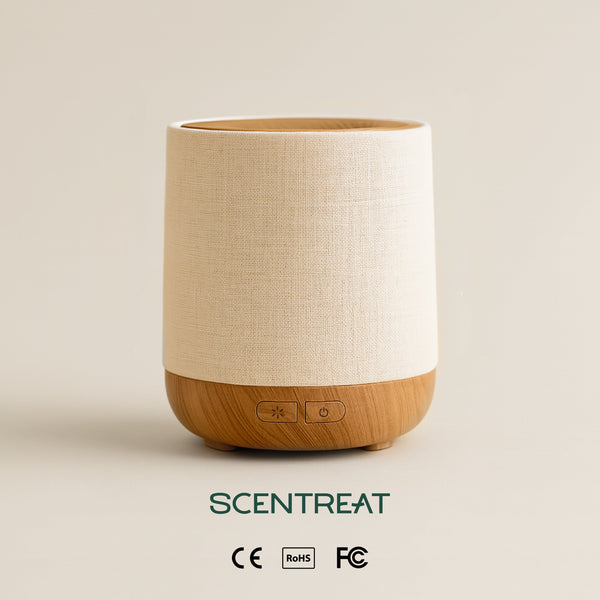
At Scentreat Essential Oils and Diffusers, we offer premium, family-safe products designed with quality and infant wellness in mind. Our 100% pure oils and ceramic ultrasonic diffuser are built for gentle, low-intensity aromatherapy perfect for nurseries.
For more aromatherapy tips, follow us on Facebook and Instagram. Questions? Reach us at support@scentreat.com — our team is available 24/7.Frequently Asked Questions
Can essential oils replace medical treatment for colic? +
Are all diffusers safe for use around babies? +
How often can I use a diffuser around my baby? +
What age can I start using essential oils for my baby's colic? +
For more tips on digestive relief, check out these helpful reads: