

Key Takeaways
BEST BUY PICKS
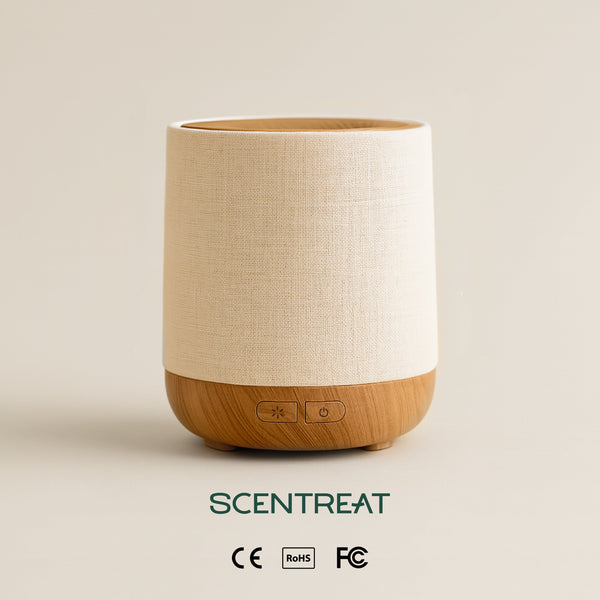
Waterless essential oil diffusers skip the water tank entirely — they disperse pure oil directly into the air, giving you a stronger, faster scent with no dilution. The two main types are nebulizing diffusers (air pressure, ultra-fine particles, maximum intensity) and controlled-diffusion waterless models (softer output, longer sessions, everyday-friendly). Which one fits your routine depends on your space, your oils, and how you use aromatherapy day to day.
Waterless Essential Oil Diffuser: Definition and How It Works

What Is a Waterless Essential Oil Diffuser?
A waterless essential oil diffuser is a device that spreads essential oils into the air without mixing them with water. Unlike traditional diffusers, it delivers a stronger and more concentrated aroma while helping preserve the natural properties of the oil. Because there is no dilution, waterless diffusers are often preferred by people who want a more noticeable scent experience.
How Does a Waterless Diffuser Work?
Waterless diffusers disperse oil directly into the air rather than combining it with water mist — which keeps the aroma concentrated and allows for faster, stronger scent diffusion throughout the room.
Direct Oil Diffusion
Waterless diffusers release essential oils directly into the air instead of combining them with water mist. This creates a more concentrated fragrance compared to traditional ultrasonic diffusers.
No Water or Heat Required
Most waterless diffusers operate without water and often avoid heat during diffusion. This helps maintain the original scent profile and properties of the essential oil.
Stronger Aroma Output
Because the oil remains undiluted, the scent tends to feel stronger and spreads more quickly throughout the space.
Types of Waterless Essential Oil Diffusers
Nebulizing Diffusers
Nebulizing diffusers are the purest form of waterless diffusion. They use pressurized air to break essential oils into ultra-fine particles — often in the 1–5 micron range — and release them into the air without heat or water. This cold-air atomization preserves every volatile compound in the oil, including the more delicate therapeutic constituents that heat can break down.
Key features:
- Completely water-free operation
- Strong and fast scent diffusion
- Pure essential oil output with no dilution
- Suitable for large or open spaces (200–800 sq ft depending on model)
- Typically range $80–$300+
The trade-off: the scent can feel intense in small rooms, and nebulizers consume more oil — often 1–3 ml per hour at full intensity, compared to a few drops per hour for traditional diffusers.
Waterless-Style or Controlled Diffusion Devices
Some modern diffusers are also marketed as "waterless" because they focus on convenience and controlled fragrance output, even though they do not use true nebulizing technology. These models use a gentle heat element, evaporative pad, or low-pressure fan to release oil at a more measured rate.
These models are designed for:
- Softer scent distribution
- Better comfort during long sessions
- Lower oil consumption
- Everyday aromatherapy routines
Controlled-diffusion waterless models typically start around $50–$120. They may not reach the same intensity as nebulizers, but they are often more practical for continuous use — especially in bedrooms, offices, and personal spaces where you want background fragrance rather than maximum saturation.
Waterless Diffusers vs Traditional Diffusers

Both waterless and traditional diffusers are designed to disperse essential oils into the air, but they create very different aromatherapy experiences. Waterless diffusers focus on stronger and faster scent diffusion, while traditional diffusers are designed for softer and more balanced daily use. Understanding these differences is the key to choosing the right setup — and it's something we break down in depth in our guide to the best essential oil diffusers.
Pros and Cons of Waterless Diffusers
Pros
- Stronger and more concentrated aroma
- Faster fragrance coverage
- Preserves essential oil purity (especially cold-air nebulizing)
- No water tank required
- Easy setup and lower maintenance
Cons
- Scent may feel too intense in small spaces
- Uses more essential oil over time
- Less suitable for long continuous sessions
- Nebulizers can be sensitive to thick or resinous oils (see the callout below)
Pros and Cons of Traditional Diffusers
Pros
- Softer and more balanced scent diffusion
- Better for relaxation and sleep
- Suitable for long daily use (500 ml models run 8–10 hours)
- Adds slight humidity to the air
- More comfortable for small rooms
Cons
- Requires water refilling
- Aroma may feel lighter or less noticeable
- Needs more regular cleaning
- Slower fragrance diffusion compared to waterless models
Waterless vs Traditional Diffuser: Quick Comparison
| Feature | Waterless Diffuser | Traditional Diffuser |
|---|---|---|
| Aroma Strength | Strong & concentrated | Soft & balanced |
| Oil Usage | Higher (1–3 ml/hr nebulizer) | Lower (a few drops/hr) |
| Best For | Large spaces, short bursts | Bedrooms & daily use |
| Diffusion Style | Direct oil diffusion | Water-based mist |
| Maintenance | Easier (no tank) | Regular cleaning needed |
| Session Length | Shorter sessions recommended | Long continuous sessions |
| Price Range | $50–$300+ (type-dependent) | $30–$150 typical |
Which Oils Work Best in a Waterless Diffuser?
Not all essential oils behave the same way in a waterless diffuser — especially in nebulizing models. The atomizer works by pushing air through a very narrow glass or ceramic tube, and oils with thick or resinous viscosities can clog or coat that tube over time.
Best Oils for Waterless & Nebulizing Diffusers
Thin, free-flowing oils diffuse cleanly and work well:
- Lavender — light, versatile, gentle on the atomizer
- Peppermint — very thin viscosity, high menthol, spreads quickly
- Eucalyptus — thin and high in cineole; excellent airflow
- Lemon — crisp citrus, light body, evaporates cleanly
- Sweet Orange — slightly heavier than lemon but still free-flowing
- Frankincense — medium body; works well in controlled-diffusion waterless models
Oils to Use Cautiously in Nebulizing Diffusers
Thick, resinous, or heavy oils can clog the atomizer and should be used sparingly or avoided in pure nebulizers:
- Patchouli — very thick, high resin content; clogs nebulizer heads
- Vetiver — one of the heaviest essential oils; not recommended in glass nebulizers
- Benzoin — semi-resinous; can leave sticky residue
- Thick citrus extracts (e.g., lime zest, cold-pressed grapefruit with pith) — contain waxy compounds that build up over time
- Absolute oils (rose absolute, jasmine absolute) — very viscous; designed for dilution before diffusing
Tip: If you want to use a thick oil, dilute it 1:1 with a thin carrier like lemon or lavender before adding it to a nebulizer. For controlled-diffusion waterless models, most 100% pure oils diffuse well without dilution.
Tips for Using a Waterless Diffuser

Waterless diffusers are powerful — a few small adjustments make the difference between an overwhelming space and one that feels just right. If you're curious about how often to run any diffuser, our guide on whether it's bad to run a diffuser every day covers session limits, ventilation, and safety in detail.
- Use small amounts of oil to avoid overwhelming intensity — start with 3–5 drops
- Start with shorter sessions (15–30 min) and adjust as needed
- Place the diffuser in a well-ventilated area
- Avoid using in very small or enclosed spaces without ventilation
- Clean the atomizer regularly (weekly for nebulizers) to maintain performance
- Store essential oils in dark glass bottles, away from heat and light
- Prefer thin oils (lavender, peppermint, lemon) for routine nebulizing use
SCENTREAT 2-in-1 Waterless Ceramic Diffuser: Balanced Everyday Diffusion

Between high-intensity nebulizing and water-based ultrasonic sits a third option worth knowing about: a controlled-diffusion waterless ceramic model that delivers everyday-friendly scent without a water tank or the oil consumption of a nebulizer. That's exactly where the SCENTREAT 2-in-1 Waterless Ceramic Essential Oil Diffuser sits — a middle-ground option at $79.95.
Rather than atomizing raw oil at maximum intensity, it distributes scent gently and continuously, which makes it comfortable for bedroom use, desk setups, and longer sessions. The built-in ambient night light adds a soft visual layer that works alongside the fragrance — useful for evening wind-downs or bedside aromatherapy.
| Specification | Details |
|---|---|
| Rating | 9.6 / 10 |
| Price | $79.95 |
| Type | Controlled-diffusion waterless (ceramic) |
| Extra Feature | Built-in ambient night light |
| Coverage | Small to medium spaces |
| Best For | Bedrooms, desks, nighttime routines |
Why It Stands Out
The SCENTREAT waterless ceramic diffuser is designed for people who want the simplicity of waterless operation — no tank to fill, no misting, no cleaning filters — but prefer a softer aroma output than a nebulizer delivers. It's the practical everyday pick when you want consistent background fragrance rather than room saturation.
Soft and Controlled Diffusion
Instead of high-intensity atomization, this model releases scent at a controlled rate — making it comfortable for long sessions and reducing the risk of overwhelming a small space. For a broader look at how diffuser types compare by room and use-case, see our guide to essential oil diffuser types and how to choose.
Designed for Everyday Comfort
The diffuser fits naturally into daily routines — bedrooms, reading corners, workspaces. Key everyday benefits:
- Quiet operation for relaxation or sleep
- Gentle fragrance diffusion without overwhelming intensity
- Compact ceramic design that sits on a desk or nightstand
- Stable performance for longer sessions
Built-In Ambient Night Light
The integrated ambient light helps create a softer nighttime environment — useful for evening relaxation, bedside use, and calming nighttime routines. The combination of soft lighting and balanced fragrance creates a more cohesive wind-down experience.
Who This Diffuser Is Best For
The SCENTREAT 2-in-1 Waterless Ceramic is ideal if you:
- Want waterless convenience without nebulizer intensity
- Use aromatherapy primarily in bedrooms or personal spaces
- Run longer daily sessions where oil consumption matters
- Prefer a dual-purpose diffuser + night light for evening routines
For users who want the stronger, room-filling diffusion of a nebulizer, explore the full range in our essential oil diffuser collection to compare models side by side.
Conclusion
Waterless diffusers split into two distinct camps: nebulizing models (air pressure, undiluted oil, $80–$300+, best for large spaces and shorter bursts) and controlled-diffusion waterless models (gentler output, lower oil use, $50–$120, everyday-friendly). The right choice depends on how you use aromatherapy — intensity for a quick mood reset, or background comfort for long daily sessions.
If you're leaning toward everyday waterless diffusion for a bedroom or desk, the SCENTREAT Waterless Ceramic & Night Light at $79.95 is a practical middle-ground option that skips the water tank without the oil consumption or intensity of a pure nebulizer.
For more tips and ideas, follow Scentreat on Facebook and Instagram. If you have any questions about Scentreat's products or promotions, please feel free to contact us at support@scentreat.com. Our dedicated team is available 24/7 and always happy to assist you.
Frequently Asked Questions
What is a waterless essential oil diffuser?
A waterless essential oil diffuser disperses essential oils directly into the air without mixing them with water. The two main types are nebulizing diffusers (which use pressurized air to atomize raw oil) and controlled-diffusion waterless models (which release oil more gently without a water tank).
Are waterless diffusers better than ultrasonic diffusers?
Waterless diffusers produce a stronger, more concentrated scent, but they're not always better for daily use or small spaces. Ultrasonic diffusers are gentler, use less oil, and are usually more comfortable for bedroom aromatherapy and long sessions.
What is a nebulizing diffuser?
A nebulizing diffuser uses pressurized air to break essential oil into ultra-fine particles (typically 1–5 microns) without heat or water. It delivers the purest, most concentrated form of aromatherapy and is best suited for larger spaces and shorter sessions.
Do waterless diffusers use more oil?
Yes — nebulizing diffusers can use 1–3 ml of oil per hour at full intensity, compared to a few drops per hour for traditional ultrasonic diffusers. Controlled-diffusion waterless models use less oil than nebulizers but still more than water-based models.
Can I use a waterless diffuser every day?
Yes, but keep sessions to 30–60 minutes at a time with breaks in between — especially with nebulizing diffusers, where the concentrated output can feel overwhelming in prolonged use. Controlled-diffusion waterless models are generally more comfortable for longer daily sessions.
Which oils should I avoid in a nebulizing diffuser?
Thick, resinous oils — patchouli, vetiver, benzoin, rose absolute, and jasmine absolute — can clog nebulizer atomizers. Stick to thin oils like lavender, peppermint, eucalyptus, and lemon for routine nebulizing use. If you want to use a thicker oil, dilute it 1:1 with a light oil first.