

Preventing mold in an essential oil diffuser comes down to one habit: do not let unnecessary moisture sit inside the reservoir. On a water-based model, emptying leftover water, wiping the tank, letting it dry, and cleaning it regularly prevents most problems before they start. In this guide, Scentreat sets out a practical mold-prevention routine for ultrasonic and waterless diffusers: what to do after every use, before storage, and as regular maintenance.
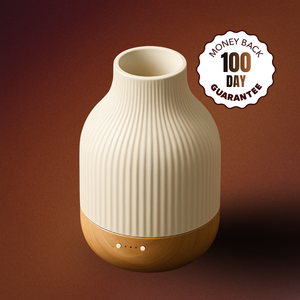
How to Prevent Mold in a Diffuser at a Glance

You do not need to disinfect your diffuser after every session. Consistent moisture control matters more than aggressive cleaning.
| When | What to do |
|---|---|
| After each use | Empty leftover water |
| After emptying | Wipe visible moisture |
| Before replacing the lid | Let the tank dry completely |
| Before each refill | Check for odor, residue, or standing water |
| During regular use | Remove oil and mineral buildup |
| On a schedule | Deep-clean: weekly with daily use, monthly at 3–4 sessions a week (or as your model's instructions say) |
| Before storage | Clean, empty, and dry completely |
| If you notice a musty odor or suspicious growth | Stop using it and clean before the next session |
For a waterless diffuser the routine is different, because there is no standing-water reservoir.
The Most Important Rule: Do Not Let Water Sit

Mold and other microbial growth need moisture. An ultrasonic diffuser holds water while it runs, and a little usually remains after it switches off. Leave that water in the reservoir overnight or for days, and the tank stays damp far longer than it needs to. After each session:
- Switch the diffuser off.
- Unplug it.
- Empty any remaining water.
- Wipe visible moisture from the reservoir.
- Leave the cover off until the inside is completely dry.
That simple routine does most of the preventive work. Scentreat's guidance for its water-based Ceramic and Wood Diffusers is exactly this: empty leftover water after use and wipe the tank, rather than leaving standing water between sessions.
Daily Habits That Help Prevent Mold

Prevention is easier when maintenance becomes part of using the diffuser, rather than something you think about only once it starts smelling strange.
Empty leftover water after every use
Do not leave yesterday's water in the tank and add more today. Topping up an old reservoir keeps the inside continuously damp for days, and lets oil residue and minerals build up without the tank ever being wiped. Empty, wipe, and refill with fresh water next time — especially on Scentreat's water-based models, the 180 ml Ceramic Diffuser and 200 ml Wood Diffuser.
Let the reservoir dry completely
Empty and dry are not the same thing. After you pour out the water, droplets stay on the tank walls, around the ultrasonic plate, under the cover, and in corners and seams. Put the lid straight back on and that moisture is trapped inside. Wipe the reservoir, leave the cover off, and let air circulate until the inside is dry. In a humid room this takes longer.
Wipe away essential oil residue
Water is not the only thing left behind. Essential oil gradually leaves an oily film, sticky patches, discoloration, a lingering fragrance, and residue around the ultrasonic plate. That residue is not mold, but letting it build up makes the tank harder to keep clean. Use a soft cloth for routine wiping and keep abrasive tools away from the plate.
Check the tank before refilling
Take a few seconds to look inside before you add fresh water. Check for standing water, a musty or stale smell, oily film, heavy mineral deposits, unusual buildup, or debris. If the reservoir does not look or smell clean, clean it first — adding new water on top of a dirty tank only hides the problem.

Handcrafted ceramic essential oil diffuser for bedroom and sleep: quieter than a whisper (27.3 dB, lab-test...
Do Not Keep Topping Up Old Diffuser Water

Topping up feels convenient, but it works against prevention. If a little water remains from the last session and you keep adding fresh water and oil, the reservoir can stay damp for days without ever properly drying.
Start each session with a clean reservoir and fresh water instead. It also makes unusual buildup far easier to spot before it becomes a bigger job.
Deep-Clean Your Diffuser Regularly

Daily wiping removes surface moisture and light residue, but it does not replace a deeper clean. Oil film and mineral deposits build up in places a cloth cannot reach, especially the ultrasonic plate. Scentreat's general routine for its ultrasonic models:
- Fill the tank about halfway.
- Add 10 drops of white vinegar.
- Run it for about five minutes.
- Switch off and unplug.
- Gently clean the ultrasonic plate with a cotton swab lightly dampened with white vinegar or rubbing alcohol.
- Empty and rinse the reservoir.
- Let it air-dry with the lid off.
Do this weekly with daily use, or monthly at three or four sessions a week. Some models have their own schedule: the Wood Diffuser's care guide calls for a weekly rubbing-alcohol swab of the disc and a monthly descale with equal parts water and white vinegar. Always follow the instructions for your diffuser. For full cleaning steps rather than prevention, see how to clean an essential oil diffuser.
Dry Your Diffuser Before Long-Term Storage

Long-term storage is one of the easiest ways to trap moisture by accident: you rinse the diffuser, put the lid back on, put it in a cupboard, and forget there is still water inside. Before storing a water-based diffuser:
- Empty all remaining liquid.
- Clean the reservoir if it needs it.
- Wipe the inside.
- Leave it open until completely dry.
- Store it somewhere clean and dry.
Adjust Your Routine in Humid Rooms

Humidity does not cause mold inside a diffuser by itself, but it slows evaporation. In a humid room, reservoirs take longer to dry, moisture stays under covers longer, condensation forms more easily, and nearby surfaces stay damp. Give the diffuser extra drying time rather than putting the lid back just because you have finished cleaning. If the inside is still visibly wet, leave it open.
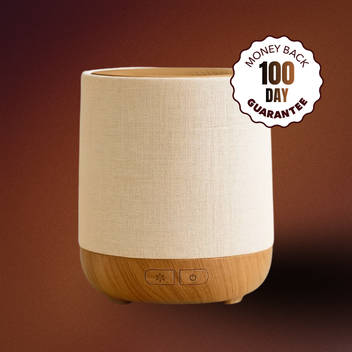
Wood essential oil diffuser that runs up to 10 hours on one 200 ml fill. Quieter than a whisper (27.3 dB, l...
Keep the Area Around Your Diffuser Dry

Prevention is not only about the reservoir. Put an ultrasonic diffuser on a stable, level, moisture-resistant surface that is easy to wipe, and give the mist room to disperse. Avoid pointing continuous mist at walls, books, paper, electronics, untreated wood, curtains, or a shelf directly above it. If moisture keeps collecting on nearby surfaces, move the diffuser or improve the airflow around it.
What Not to Do When Preventing Mold

Cleaning harder does not prevent mold better.
Do not use unapproved harsh cleaners
Avoid improvising with bleach, harsh solvents, abrasive powders, household disinfectants, or metal scrubbers unless the manufacturer specifically approves them for your diffuser. Scentreat's care notes are consistent on this: avoid harsh cleaners and abrasive materials. Strong products can damage reservoir materials or leave residue behind; consistent cleaning and drying matter more than repeated disinfecting.
Never submerge the electrical base
On most ultrasonic diffusers the reservoir and the electronics share one body. Cleaning the tank does not mean washing the whole diffuser like a bowl. Keep water away from electrical connections, air outlets, charging ports, power sockets, and ventilation openings, and never immerse the base unless the manufacturer explicitly says it is designed for that.
How to Prevent Mold in a Waterless Diffuser

Waterless diffusers need almost the opposite approach. With no standing-water reservoir, classic tank mold is far less relevant. Focus instead on essential oil residue, thickened oil, dust, atomizer buildup, and the oil bottle connection.
For a waterless diffuser the goal is to keep the oil path clean and keep unnecessary water out.
Mold Prevention by Scentreat Diffuser Type

Scentreat makes both water-based and waterless models, so the right routine depends on which one you own. Jump to yours: Ceramic · Wood · CalmRide · Pillar · Waterless & Night Light
Scentreat Ceramic Diffuser
The Ceramic Diffuser uses a 180 ml ultrasonic water tank. After use, empty leftover water, wipe the reservoir, leave the cover off until the inside is completely dry, and wipe away visible oil residue. Deep-clean on the general schedule. Do not keep refilling old water, and never store it damp.
Scentreat Wood Diffuser
The Wood Diffuser uses a 200 ml ultrasonic tank. Its care guide is the most specific in the range: after each tank, tip out leftover water and wipe the reservoir dry, because oily water left standing is what builds the film. Weekly, swab the disc with rubbing alcohol; monthly, or whenever the mist thins, run the equal-parts water-and-vinegar descale. Take extra care with the exterior too — wipe any splash off the wood base straight away and never soak the wood housing.
Scentreat CalmRide Car Diffuser
The CalmRide Car Diffuser is waterless, so there is no reservoir to empty. Keep the oil bottle correctly fitted, wipe visible oil residue, keep the unit upright and the charging port dry, and swab the atomizer with a little rubbing alcohol when you change oils. Never introduce water into the oil path.
Scentreat Pillar Cold-Air Diffuser
The Pillar Diffuser is waterless too. Keep the 100 ml bottle correctly fitted, keep the tower upright, wipe the aluminum body with a soft, dry cloth, and avoid harsh cleaners. Do not run a water-and-vinegar cycle through the Pillar just because that method suits an ultrasonic tank.
Scentreat Waterless Diffuser & Night Light
The Waterless Diffuser & Night Light needs different care depending on the mode.
Liquid mode
- Empty and dry the 120 ml reservoir after each tank.
- Leave it open until dry.
- Run a five-minute water-and-vinegar cycle monthly.
- Never store it with liquid inside.
Waterless mode
- Keep the oil bottle fitted correctly.
- Swab the ceramic core with rubbing alcohol when you change oils.
- Keep water out of the oil path.

Waterless cold-air diffuser in aluminum: 100 ml oil bottle, covers up to 1,076 sq ft, under 30 dB, app time...
An Easy Diffuser Maintenance Schedule

You do not need a complicated cleaning calendar. A simple routine you actually follow works better.
After each use
Water-based diffuser
- Empty leftover water.
- Wipe visible moisture.
- Remove obvious oil residue.
- Leave the reservoir open to dry.
Waterless diffuser
- Wipe visible oil or spills.
- Keep it upright.
- Keep water away from the oil path.
Before each new fill
Check for standing water, a musty smell, mineral deposits, heavy oil residue, or unusual buildup, and clean before refilling if you find any.
On a schedule
Deep-clean Scentreat's ultrasonic diffusers weekly with daily use, or monthly at three or four sessions a week — or follow your model's own schedule, such as the Wood Diffuser's. Hard water or heavy residue may mean cleaning more often.
Before long-term storage
Empty all liquid, clean it appropriately, dry it completely, and store it somewhere clean and dry.
What If You Already See Mold?

This guide is about prevention, not diagnosing or removing established mold. If you already notice fuzzy growth, a persistent musty smell, recurring dark spots, or a film that keeps returning after cleaning, stop using the diffuser until it has been properly cleaned. Do not just pour in fresh water or more essential oil.
To work out whether the buildup is actually mold and why it developed, see Scentreat's guide Why Does My Diffuser Get Moldy? Causes, Cleaning & Prevention. For step-by-step removal, see how to clean an essential oil diffuser.
When Should You Contact Scentreat?

Routine prevention should never require opening or dismantling a diffuser. Contact Scentreat if:
- Suspicious growth keeps returning after proper cleaning.
- A musty smell remains after cleaning and complete drying.
- Contamination appears inside a part you cannot reach.
- Water gets into the electrical housing.
- The diffuser behaves abnormally after cleaning.
- Cleaning the affected area would mean taking the device apart.
Conclusion
Preventing mold in an essential oil diffuser is mainly about controlling moisture. Empty leftover water, wipe the reservoir, let it dry completely, and clean it regularly. For waterless diffusers, keep water out and maintain the oil path with the right method for your model.
For more diffuser and essential oil tips, follow Scentreat on Facebook and Instagram. Need help caring for your Scentreat diffuser? Email support@scentreat.com.
Frequently Asked Questions
How do I prevent mold in my essential oil diffuser?
For a water-based diffuser, empty leftover water after use, wipe the tank, leave the cover off until everything is dry, and clean it on a regular schedule. Do not let water sit in the reservoir between sessions.
Should I empty my diffuser after every use?
Yes. Emptying leftover water cuts the time the reservoir stays wet and stops old water and oil residue from building up between sessions.
Can I leave water in my essential oil diffuser overnight?
Better not to make it a habit. Water left in an ultrasonic reservoir keeps the tank damp longer and makes stale buildup more likely.
How often should I clean my diffuser to prevent mold?
Wipe visible residue as needed and follow your model's deep-clean schedule. Scentreat's general routine for its ultrasonic diffusers is weekly with daily use, or monthly at three or four sessions a week; the Wood Diffuser adds a weekly alcohol swab of the disc and a monthly descale.
Should I leave my diffuser open to dry?
Yes. After emptying and wiping a water-based diffuser, leave the cover off until the inside is completely dry before closing or storing it.
Does distilled water prevent mold in a diffuser?
Distilled water can reduce mineral buildup, but mold prevention still depends on moisture control and cleaning. Switching water type does not remove the need to empty and dry the reservoir. Room-temperature tap water is fine in Scentreat's ultrasonic models.
Can I use vinegar to prevent mold in my diffuser?
Vinegar is part of Scentreat's deep-clean routine for its ultrasonic diffusers, but it should not be added to diffuser water every session, and it should never go into a waterless oil path.
Can I use bleach to prevent mold?
Not unless the manufacturer specifically approves it for your diffuser. Regular drying and the right cleaning method are safer than ever-harsher products.
Can a waterless diffuser get moldy?
Classic reservoir mold is much less relevant, because a waterless diffuser has no standing-water tank. Maintenance should focus on oil residue, the bottle, and the atomizing path instead.
Should I clean a waterless diffuser with water?
Not unless that specific diffuser's instructions say so. Waterless systems need a different method — on CalmRide and the Night Light in waterless mode, a rubbing-alcohol swab of the atomizer — and should never be treated like an ultrasonic tank.
I use my diffuser every day. Does that increase the risk of mold?
Daily use means the reservoir is wet more often, but it does not cause mold by itself. Emptying, wiping, drying, and cleaning consistently matter far more than how often you use it.

