

Which is better in the wood diffuser vs ceramic diffuser debate? It depends on your style. Wood brings warmth and natural texture, while ceramic offers a smooth, substantial finish that wipes clean easily. In this guide, Scentreat will compare materials, moisture resistance, durability, cleaning, lighting, and décor to help you.
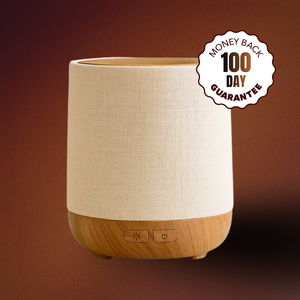
10 hours per fill
Wood Diffuser for Essential Oils, 200 ml, Up to 10 HoursWood Diffuser vs Ceramic Diffuser at a Glance
|
Feature |
Wood Diffuser |
Ceramic Diffuser |
|
Look and feel |
Warm, natural |
Smooth, refined |
|
Moisture resistance |
Depends on sealing |
Glazed surface handles splashes |
|
Durability |
Can dent, stain, or warp |
Can chip or crack |
|
Weight |
Often lighter |
Often heavier |
|
Ambient light |
Blocked or directed |
Soft, diffused glow |
|
Best for |
Warm, natural interiors |
Minimal, spa-style spaces |
Key takeaway: in any wood diffuser vs ceramic diffuser comparison, tank size, mist output, runtime, and noise matter more for performance than the outer shell.
What Is a Wood Diffuser?

A wood diffuser uses real wood, veneer, or a wood-look finish in its exterior. In ultrasonic models, the wood forms the cover or base, while an internal vibrating plate turns water and essential oil into cool mist. "Wood" describes the material, not the technology.
Types of Wood Diffusers
Ultrasonic Diffusers with Real Wood Covers
Real wood or bamboo surrounds an ultrasonic tank, so each piece has its own grain.
Wood-Grain (Faux Wood) Ultrasonic Diffusers
Plastic with a wood-grain print is affordable and handles moisture well, but lacks real wood texture.
Waterless Diffusers with Wooden Bases
A glass or metal atomizer sits on a wooden base. With no water tank, moisture matters less.
Passive Wooden Diffusers (Wood Blocks and Beads)
Porous wood absorbs oil and releases scent slowly without power. Ideal for desks, wardrobes, and cars.
What Is a Ceramic Diffuser?

A ceramic diffuser uses porcelain, stoneware, or clay in its exterior or diffusion surface. In electric models, the ceramic is usually the outer cover, while an ultrasonic plate inside creates the mist. Glazed ceramic is smooth, easy to wipe, and heavier than plastic shells.
Types of Ceramic Diffusers
Ultrasonic Diffusers with Ceramic Covers
A porcelain shell surrounds an ultrasonic tank, adding weight and a décor-focused finish.
Passive (Terracotta and Clay) Diffusers
Unglazed clay absorbs oil and releases scent naturally, with no water or electricity.
Ceramic Oil Burners (Tealight Diffusers)
A tealight warms oil in a ceramic dish. Because they use an open flame, use them only under supervision.
Wood Diffuser vs Ceramic Diffuser: 10 Key Differences

Here is how the wood diffuser vs ceramic diffuser comparison plays out in daily use.
Material and Natural Feel
Wood looks warm and organic, with natural grain. Ceramic feels smoother, heavier, and more uniform. This affects décor, not diffusion performance.
Real Wood vs Wood-Grain Finish
Not every wooden-looking diffuser is real wood. Some use solid wood, bamboo, or veneer; others use printed plastic. Check the material list.
Moisture and Water Resistance
Glazed ceramic wipes dry without absorbing moisture. Raw or poorly sealed wood can stain or swell if it stays wet; sealed wood holds up better.
Oil Absorption and Scent Retention
Raw wood and unglazed clay absorb oil, which passive diffusers use on purpose. Glazed ceramic resists oil, so spills wipe off easily.
Durability (Warping vs Chipping)
In wood diffuser vs ceramic diffuser durability, each fails differently. Wood can scratch, dent, or warp; ceramic can chip or crack if dropped.
Weight and Stability
Ceramic diffusers are heavier and feel planted on a nightstand. Wood designs are lighter and easier to move between rooms.
Light Diffusion and Ambient Glow
A thin ceramic shell softens light into a lantern-like glow. Wood is opaque, so light shows through openings. For sleep, choose a dimmable light.
Cleaning and Maintenance
Wipe ceramic with a damp cloth; wipe wood gently and never soak it. For both, the water tank needs the most regular cleaning.
Design Style and Home Décor
Wood suits Scandinavian, rustic, and boho rooms. Ceramic fits minimalist, Japandi, and spa-style spaces. Mixed-material designs offer both.
Price and Sustainability
Responsibly sourced wood is renewable, while ceramic lasts long but takes energy to fire. There is no automatic wood diffuser vs ceramic diffuser winner on sustainability.
Pros and Cons of Wood Diffusers

Pros of Wood Diffusers
- Warm, natural look with unique grain
- Often lighter and easy to move
- Suits Scandinavian and organic interiors
- Passive wood scents without power
Cons of Wood Diffusers
- Raw wood can absorb oil, stain, or swell
- Can scratch or dent
- Some "wood" models are only printed plastic
Pros and Cons of Ceramic Diffusers

Pros of Ceramic Diffusers
- Smooth, premium feel
- Glazed surfaces resist moisture and wipe clean
- Stable tabletop presence
- Creates a soft ambient glow
Cons of Ceramic Diffusers
- Can chip or crack if dropped
- Heavier to move
- Often costs more than plastic models
Ceramic vs Wood Diffuser: Which Is Better for Humid Rooms and Bathrooms?

Glazed ceramic handles humid rooms better because it does not absorb surface moisture like unfinished wood. Still, both ultrasonic types add mist, so run shorter sessions, wipe away condensation, and keep the diffuser off wet surfaces. For scent without extra mist, choose a waterless diffuser. For bathrooms, ceramic usually wins the wood diffuser vs ceramic diffuser matchup.
Ceramic vs Wood Diffuser: Which Matches Your Home Décor Style?
Choose wood for warmth and texture; it looks natural beside plants, linen, and timber furniture. Choose ceramic for a clean, sculptural finish that pairs with neutral bedding and Japandi rooms. If you love both, a mixed-material diffuser settles the wood diffuser vs ceramic diffuser dilemma.
Wood Diffuser vs Ceramic Diffuser: Which Is Better for You?

Base your wood diffuser vs ceramic diffuser decision on décor and daily routine, not on the idea that one material performs better.
|
Your Priority |
Better Fit |
|
Natural warmth and visible grain |
Wood |
|
Lighter, easy-to-move exterior |
Wood |
|
Easy exterior wipe-down |
Ceramic |
|
Stable, substantial feel |
Ceramic |
|
Soft ambient glow |
Ceramic |
Scentreat Essential Oil Diffusers: Elegant Design That Fits Any Space

Scentreat pairs natural materials with ultrasonic and waterless technology, so you can choose by room and style.
Why choose Scentreat:
- Real ceramic and real wood details
- Quiet models with auto shut-off
- 100-day return policy and 1-year limited warranty
Scentreat Ultrasonic Diffuser
Scentreat's two ultrasonic models show that the wood diffuser vs ceramic diffuser question needs no single winner. Both turn water and essential oil into quiet, cool mist.
Key Features and Specifications
|
Feature |
Ceramic Diffuser |
Wood Diffuser |
|
Exterior |
Porcelain + rubber-wood base |
Fabric + solid-wood base |
|
Tank |
180 ml |
200 ml |
|
Coverage |
Up to 320 sq ft |
Up to 375 sq ft |
|
Runtime |
4–5 h / 8–10 h intermittent |
4–5 h / 8–10 h intermittent |
|
Noise |
27.3 dB(A) at 1 m |
27.3 dB(A) at 1 m |
Best For
- Ceramic Diffuser: bedrooms, home offices, and spa-inspired interiors.
- Wood Diffuser: living rooms and warm interiors that need a bigger tank.
Scentreat Waterless Diffuser
Prefer no water tank? These waterless models show that material and technology are separate choices.
Key Features and Specifications
|
Model |
Key Specifications |
|
Night Light |
Clear PP body, up to 40 h, up to 430 sq ft, warm light |
|
CalmRide |
Wood-grain finish, up to 60 h per charge, up to 215 sq ft |
|
Pillar |
Aluminum body, cold-air, up to 1,500 sq ft, under 30 dB |
Best For
- Night Light Diffuser: bedrooms and nightstands.
- CalmRide Diffuser: cars, desks, and travel.
- Pillar Diffuser: open living rooms and larger offices.
Pair Your Scentreat Diffuser with Scentreat 100% Pure Essential Oils

Whichever side of the wood diffuser vs ceramic diffuser debate you choose, the oil shapes the scent. Scentreat offers 36 single essential oils in 10 ml amber bottles, including Lavender, Bergamot, Eucalyptus, and Cedarwood, with no fillers or synthetic fragrance. Explore Scentreat’s 100% Pure Essential Oils to create a blend for every room.
Conclusion
The wood diffuser vs ceramic diffuser choice comes down to style: wood adds warmth, while ceramic offers easy care and a substantial feel. Scentreat ceramic, wood, and waterless diffusers deliver quiet, reliable fragrance for every room and every daily routine.
For more aromatherapy tips and diffuser inspiration, follow us on Facebook and Instagram! If you have any questions or promotions, please feel free to contact us at support@scentreat.com. Our dedicated team is available 24/7 and always happy to assist you.
Frequently Asked Questions
1. Are Wood Diffusers Made of Real Wood?
Not always. Some use solid wood or a wooden base, while others use veneer or a plastic wood-grain finish. Check the material specification before buying.
2. Do Ceramic Diffusers Work Better Than Wood Diffusers?
Not because of the material alone. In a wood diffuser vs ceramic diffuser comparison, tank size, mist output, runtime, and controls influence performance far more.
3. Can a Wood Diffuser Get Moldy?
Unfinished wood can develop mold or mildew if it stays damp for long periods. Keep natural-wood exteriors dry and follow the manufacturer's cleaning instructions carefully.
4. How Do I Clean a Ceramic Diffuser?
Unplug it, empty the tank, and wipe the ceramic exterior with a soft damp cloth. Clean the reservoir as directed, never soaking the ceramic body.
5. Which Diffuser Material Lasts Longest?
Both last for years. Ceramic resists moisture but can chip if dropped, while finished wood avoids breakage but can scratch, stain, or warp with moisture.

