

Which is right for you in the passive diffuser vs electric diffuser debate? It depends on your space. Passive diffusers offer silent, subtle scent with no power, while electric diffusers deliver stronger, adjustable fragrance. In this guide, Scentreat will compare scent strength, coverage, oil use, noise, portability, cost, and safety.
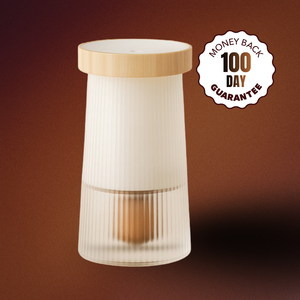
Passive Diffuser vs Electric Diffuser at a Glance
|
Feature |
Passive Diffuser |
Electric Diffuser |
|
Power |
None |
Plug-in, USB, or battery |
|
Diffusion |
Natural evaporation |
Active dispersion |
|
Scent strength |
Light |
Light to strong |
|
Coverage |
Personal or small area |
Room-sized or larger |
|
Control |
Very limited |
Timers, modes, intensity |
|
Best for |
Small spaces, personal scent |
Bedrooms, living rooms, offices |
Key takeaway: in the passive diffuser vs electric diffuser choice, pick passive for simple, low-maintenance background scent, or electric for more coverage and control.
What Is a Passive Diffuser?

A passive diffuser releases aroma through natural evaporation, with no motor, fan, or ultrasonic plate. Oil soaks into reeds, clay, stone, wood, or felt and slowly evaporates into the air. The scent is subtle and strongest close to the diffuser.
Types of Passive Diffusers
Reed Diffusers
Rattan reeds draw a prepared fragrance liquid upward for continuous, low-effort scent in hallways and bathrooms.
Clay and Terracotta Diffusers
Unglazed clay absorbs a few drops of essential oil and releases them slowly. Ideal for desks and nightstands.
Lava Stone and Wood Diffusers
Porous lava stone and unfinished wood hold oil and release it gradually, adding a natural decorative touch.
Diffuser Jewelry (Necklaces and Bracelets)
Lava beads or absorbent pads in lockets hold a drop of oil for personal, close-range aroma.
Car Vent Clips and Scent Pads
Felt or wood pads clip to an air vent, and the car's airflow spreads a light scent.
What Is an Electric Diffuser?

An electric diffuser uses power from an outlet, USB, or battery to actively disperse aroma. Its biggest advantage is control: timers, intensity settings, and a true off switch.
Types of Electric Diffusers
Ultrasonic Diffusers
A vibrating plate turns water and a few drops of oil into cool mist. Quiet and economical, they suit bedrooms.
Waterless (Nebulizing) Diffusers
Airflow or cold-air technology atomizes pure oil without water, delivering stronger scent for larger spaces.
Heat Diffusers
A warming element speeds up evaporation. They are nearly silent but offer less control.
Fan / Evaporative Diffusers
A small fan blows air across a scented pad, pushing aroma farther than a passive pad.
Passive Diffuser vs Electric Diffuser: 9 Key Differences

Here is how the passive diffuser vs electric diffuser comparison plays out day to day.
Power Source (No Electricity vs Plug-In or Battery)
Passive diffusers need no power at all. Electric diffusers need an outlet, USB, or battery, though rechargeable models travel easily.
Scent Strength and Fragrance Throw
In passive diffuser vs electric diffuser scent strength, passive options stay soft. Ultrasonic diffusers fill a room gently, while waterless models are much stronger.
Coverage Area
In passive diffuser vs electric diffuser coverage, a clay stone or bracelet works within arm's reach. Electric diffusers cover bedrooms, offices, and even open-plan rooms.
Scent Control and Customization
A passive diffuser has no off switch. Electric models offer adjustable intensity, intermittent modes, timers, auto shut-off, and app schedules.
Essential Oil Consumption and Longevity
Reeds evaporate nonstop, even when nobody is home. Electric diffusers use oil only while running, so you decide when oil is used.
Noise Level
Passive diffusers are completely silent. Ultrasonic models make a soft hum, so check the published decibel rating for bedrooms.
Portability
Jewelry, pads, and clay stones need no charger. Cordless electric diffusers have closed the gap with stronger, adjustable scent on the go.
Upfront Cost vs Long-Term Cost
On passive diffuser vs electric diffuser cost, passive options are cheaper upfront, while electric models cost more but switch off when scent is unnecessary.
Design and Home Décor Appeal
Reed bottles and terracotta blend into shelves. Modern electric diffusers use ceramic, wood, and aluminum to become part of the décor.
Pros and Cons of Passive Diffusers

Pros of Passive Diffusers
- No electricity or charging
- Completely silent
- Low upfront cost
- Highly portable
Cons of Passive Diffusers
- Limited scent throw and coverage
- No timer or intensity setting
- Scent evaporates even when nobody is home
- Reed liquids can spill and stain
Pros and Cons of Electric Diffusers

Pros of Electric Diffusers
- Full-room coverage and faster scent
- Timers, intensity controls, and auto shut-off
- Can be turned fully off
Cons of Electric Diffusers
- Higher upfront cost
- Needs power or charging
- Tanks and atomizers need regular cleaning
Electric Diffuser vs Passive Diffuser: Which Diffuser Is More Effective for Aromatherapy?
For room-wide aromatherapy, an electric diffuser is more effective because it actively spreads scent and lets you set the timer and intensity. Passive diffusion suits personal, close-range aroma, like a lava bracelet or a clay stone by your keyboard. In the passive diffuser vs electric diffuser match-up, neither replaces medical care.
Electric Diffuser vs Passive Diffuser: Which Diffuser Is Safer?
Neither side of the passive diffuser vs electric diffuser debate is automatically safer. Passive diffusers have no electrical parts, but open reed bottles can tip over. Electric diffusers often include auto shut-off, but they spread oil farther through the room. For either type:
- Keep oils out of reach of children and pets
- Place the diffuser on a stable surface
- Ventilate the room
- Stop use if irritation occurs
Passive Diffuser vs Electric Diffuser: Which One Is Right for You?

Settle the passive diffuser vs electric diffuser question by matching each option to your priorities.
|
Your Priority |
Better Fit |
|
No electricity, completely silent |
Passive |
|
Personal, close-range scent |
Passive |
|
Lowest upfront cost |
Passive |
|
Full-room coverage and stronger scent |
Electric |
|
Timers and adjustable strength |
Electric |
Scentreat Electric Diffusers: Upgrade from Passive to Powerful Home Scenting

When a passive diffuser no longer gives enough coverage or control, Scentreat offers ultrasonic and waterless electric diffusers designed for 100% pure essential oils.
Why choose Scentreat:
- Gentle ultrasonic and stronger waterless options
- Timers or automatic shut-off on current models
-
Ceramic, real wood, and aluminum designs
Scentreat Ultrasonic Diffuser
The easiest passive diffuser vs electric diffuser upgrade is an ultrasonic model, which turns water and a few drops of pure oil into quiet, cool mist.
Key Features and Specifications
|
Feature |
Ceramic Diffuser |
Wood Diffuser |
|
Tank |
180 ml |
200 ml |
|
Coverage |
Up to 320 sq ft |
Up to 375 sq ft |
|
Runtime |
4–5 h / 8–10 h intermittent |
4–5 h / 8–10 h intermittent |
|
Noise |
27.3 dB(A) at 1 m |
27.3 dB(A) at 1 m |
Best For
- Ceramic Diffuser: bedrooms, home offices, and reading corners.
- Wood Diffuser: living rooms and larger bedrooms.
Scentreat Waterless Diffuser
For stronger scent without a water tank, Scentreat's waterless models run directly from a bottle of pure oil.
Key Features and Specifications
|
Model |
Key Specifications |
|
Pillar |
150 ml oil bottle, up to 1,500 sq ft, under 30 dB, Bluetooth timer |
|
Night Light |
Up to 40 h waterless, up to 430 sq ft, USB-C, warm light |
|
CalmRide |
Up to 60 h per charge, up to 215 sq ft, under 35 dB, USB-C |
Best For
- Night Light Diffuser: bedrooms and nightstands.
- CalmRide Diffuser: cars, desks, and travel.
- Pillar Diffuser: open living rooms and larger offices.
Pair Your Scentreat Diffuser with Scentreat Essential Oils

Moving from passive to electric changes how far your scent reaches, while the oil sets the mood. Scentreat offers 36 single essential oils in 10 ml amber bottles, from fresh Lemon and Peppermint to grounding Frankincense. Shop Scentreat's 100% Pure Essential Oils to craft blends for every room.
Conclusion
The passive diffuser vs electric diffuser choice depends on your space and lifestyle. Passive diffusers suit silent, close-range scent, while Scentreat ultrasonic and waterless electric diffusers deliver full-room coverage, handy timers, and pure essential oil aroma for every daily routine.
For more aromatherapy tips and diffuser inspiration, follow us on Facebook and Instagram! If you have any questions or promotions, please feel free to contact us at support@scentreat.com. Our dedicated team is available 24/7 and always happy to assist you.
Frequently Asked Questions
1. Do Passive Diffusers Actually Work?
Yes, but subtly. Passive diffusers release scent through evaporation, so they work best in small spaces or for personal, close-range aroma rather than whole rooms.
2. How Long Does a Reed Diffuser Last?
Most reed diffusers last weeks to a few months, depending on bottle size, number of reeds, room temperature, airflow, and how often you flip them.
3. Is an Electric Diffuser Better Than a Reed Diffuser?
For coverage and control, yes. In a passive diffuser vs electric diffuser comparison, electric models scent whole rooms and switch off, while reeds evaporate nonstop.
4. Can I Use Essential Oils in a Passive Diffuser?
Yes. Clay, lava stone, wood, and jewelry diffusers work with a few drops of pure essential oil. Reed diffusers usually need a prepared fragrance liquid.
5. Which Electric Diffuser Is Best to Replace a Passive One?
An ultrasonic diffuser is the easiest step up for bedrooms and offices. For stronger scent or large spaces, choose a waterless model like Scentreat Pillar.

