

Key Takeaways
BEST BUY PICKS
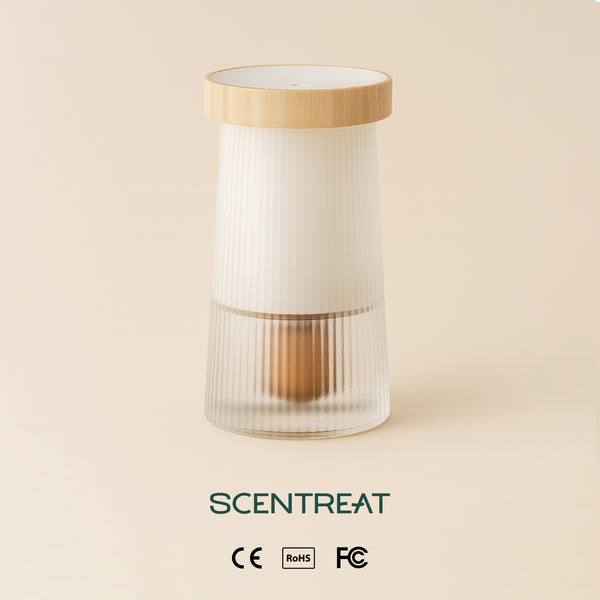
Yes — essential oil diffusers are safe for most people when used correctly. The key conditions: a well-ventilated room, short sessions (30–60 minutes), and the right number of drops (3–5 for a standard 100–200 ml tank). Most problems come from overuse or poor airflow, not from the diffuser itself. Certain groups — cats, infants, and people with asthma — need extra care, detailed below.
For the complete guide, see Essential Oil Diffuser: Benefits, Types, and How to Choose.
In this guide, Scentreat covers diffuser safety from the basics through to special considerations for pets, kids, and sensitive individuals — so you know exactly how to use one confidently at home.
Are Essential Oil Diffusers Safe for Most People?

When used properly, diffusers are generally safe and comfortable for most healthy adults. They release a diluted mist — water mixed with a few drops of oil — rather than a concentrated burst, which keeps exposure mild. We explore this further in Are Essential Oil Diffusers Worth It?
Most diffusers work best at 3–5 drops per 100 ml of water. Going above that doesn't improve the scent — it increases the chance of headache or irritation. For sleep-specific use, see Do Essential Oil Diffusers Really Help You Sleep?
Safety depends on how they are used. Good ventilation, moderate session length, and the right oil amount are the three variables that matter most.
When Can Diffusers Become a Problem?

The diffuser itself is rarely the issue. Problems almost always trace back to one of four usage patterns:
Poor ventilation
Using a diffuser in a sealed room lets essential oil vapour accumulate. Over 60–90 minutes in a closed space, the concentration can climb from pleasant to overpowering.
Fix: crack a window or door, or run the diffuser in a room with natural airflow.
Running it too long
Continuous diffusion for hours — especially overnight in a closed bedroom — can cause scent fatigue and mild respiratory irritation even in healthy adults.
Fix: 30–60 minute sessions work well for most oils. If you want overnight use, an intermittent timer (30 min on / 30 min off) is the safer pattern. See How Long to Diffuse Oils at Night for a full guide.
Using too many drops
More oil doesn't mean a better experience. Excess oil creates a heavy, concentrated mist that is far more likely to trigger headache, nausea, or throat irritation.
Fix: start with 3 drops per 100 ml; adjust up by 1 drop at a time.
Low-quality oils
Synthetic fragrance oils and heavily adulterated blends carry chemical compounds (solvents, artificial fixatives) that can irritate airways. Pure, unadulterated oils are the safer starting point.
Fix: look for oils labelled 100% pure with a complete botanical name on the label — and no added carrier or fragrance. SCENTREAT's essential oils are 100% pure with no added synthetics.
Signs the Diffuser May Not Be Right for the Moment
Stop the session and ventilate the room if you notice any of these during or shortly after diffusing:
- Headache or pressure behind the eyes
- Nausea or dizziness
- Watery or itchy eyes
- Throat irritation or dry cough
- Difficulty breathing or tightness in the chest
These signals usually mean the concentration is too high or the room needs more airflow. Reduce the number of drops, shorten the session, and open a window. If symptoms persist after fresh air, consult a healthcare provider.
Special Considerations: Pets, Children, and Sensitive Individuals

Some household members are significantly more vulnerable to airborne essential oils than healthy adults. Here is what you need to know for each group.
Cats (most vulnerable)
Cats lack the liver enzyme (glucuronyl transferase) that humans use to metabolise phenols and monoterpenes — compounds found in many popular oils. This means cats cannot clear these compounds efficiently, and repeated low-level exposure in an enclosed space can build up over time.
Oils to use with extra caution around cats: tea tree (melaleuca), eucalyptus, citrus oils (lemon, lime, orange), peppermint, clove, cinnamon, thyme, oregano, and pennyroyal.
If you diffuse around cats: always ensure they have an exit route and can leave the room freely. Never diffuse in a room where a cat is confined. According to the ASPCA, many essential oils are toxic to cats even at low concentrations.
If you suspect your pet has been exposed: contact the Pet Poison Helpline at 855-764-7661 or the ASPCA Animal Poison Control Center (888-426-4435).
Dogs
Dogs are more resilient than cats but can still be affected by concentrated diffusion in closed rooms. Avoid tea tree oil, pennyroyal, and pine oils around dogs. Keep sessions short and the room ventilated.
Birds
Birds have highly efficient respiratory systems — which also makes them very sensitive to airborne compounds. Avoid diffusing any essential oil in a room where birds are present.
Infants under 3 months
Do not diffuse essential oils in a room where a newborn or infant under 3 months sleeps. Infant airways are immature and far more sensitive to airborne irritants. The American Academy of Pediatrics (AAP / HealthyChildren.org) advises caution with any aromatherapy products around very young infants.
Children 3 months – 10 years
Older babies and young children can tolerate light diffusion, but keep sessions short (15–20 minutes), drop count low (1–2 drops max), and the room ventilated. Always ensure the child can leave the room. Avoid eucalyptus and peppermint near children under 6 — the 1,8-cineole and menthol in these oils can slow breathing in young children.
Pregnancy
Some essential oils (clary sage, rosemary, basil, juniper, fennel) are traditionally avoided during pregnancy due to their potential effects. Use mild oils like lavender or sweet orange at half the normal drop count, and always in a ventilated space. Consult your midwife or OB before establishing a new aromatherapy routine during pregnancy.
Asthma and respiratory conditions
Strong or prolonged essential oil diffusion can trigger bronchospasm in people with asthma, chronic obstructive pulmonary disease (COPD), or allergic rhinitis. If you have a respiratory condition, start with 1–2 drops of a mild oil (lavender, chamomile) in a 15-minute session and assess before extending. Avoid high-camphor oils (rosemary, eucalyptus) which can irritate airways at concentration. If you experience any breathing change, stop immediately and seek medical advice.
Fragrance sensitivity and migraine triggers
People who react to strong scents or have migraine triggered by fragrance should start with the lightest possible session (1–2 drops, 10 minutes, large ventilated room) and stop at the first sign of head pressure.
Safety Tips for Using a Diffuser

Good diffuser habits are simple. These five practices cover most of what matters:
Ventilate the room
A slightly open window or door is all it takes. Good airflow prevents oil vapour from accumulating and keeps the scent pleasant rather than overwhelming.
Follow the manufacturer's water and drop recommendations
Each diffuser has a recommended tank size and drop range. Using the right ratio protects the diffuser and keeps your exposure in the safe zone.
Diffuse in 30–60 minute sessions
Running a diffuser continuously for hours causes scent fatigue and can irritate airways. Short sessions feel better and are better for the air quality in your space. See our guide on how long to diffuse oils at night for specifics.
Start with fewer drops
3 drops in a 100 ml tank is a good starting point. You can always add more next time — you can't take it back once it's in the water.
Stop if irritation starts
Headache, nausea, watery eyes, or throat tightness means the concentration is too high for this space or this session length. Turn off the diffuser, open windows, and reassess.
Are Some Types of Diffusers Safer Than Others?

Yes — the diffusion technology affects how concentrated the oil exposure is, which matters most for sensitive individuals.
- Ultrasonic diffusers — generally the safest and most suitable for everyday use. They mix oil with water and produce a cool mist, so the concentration is naturally diluted. Best choice for homes with children or pets.
- Nebulizing (waterless) diffusers — produce undiluted oil vapour, so the concentration is much higher. Suitable for short, targeted sessions in well-ventilated rooms by healthy adults — not for enclosed spaces with kids or pets.
- Evaporative diffusers — low-tech and low-risk. Scent output is inconsistent but very mild, which makes them lower-stakes for sensitive individuals.
- Heat / candle diffusers — not recommended. Heat degrades oil compounds and adds an open-flame risk.
For most everyday home use, ultrasonic diffusers offer the safest combination of dilution, control, and consistent output. For guidance on choosing, see our comparison in Essential Oil Diffuser: Benefits, Types, and How to Choose.
Why the SCENTREAT Diffuser Is Designed for Everyday Safety

When considering diffuser safety, the diffuser design matters as much as how you use it. The SCENTREAT Rubber Wood & Ceramic Ultrasonic Diffuser is built around the principles that make ultrasonic diffusion the safest everyday option.
Balanced ultrasonic diffusion
- Cool mist dilutes oil with water for a softer, controlled scent
- Prevents concentrated oil buildup in enclosed spaces
- Comfortable for daily use in home environments
Consistent and controlled output
- Distributes scent evenly rather than in bursts
- Reduces overexposure risk from concentration spikes
- Makes it easy to keep a steady, natural atmosphere
Quiet, low-impact operation
- Runs quietly without disrupting sleep or focus
- Ceramic and rubber wood housing — no plastic off-gassing
Auto shut-off
- Turns off automatically when the water tank runs empty
- Prevents overheating and allows safer unattended use
Pair it with the Calm & Balance collection for oils well-suited to everyday, whole-house diffusion — or explore the full diffuser range if you want to compare sizes.
Conclusion
Essential oil diffusers are safe when used correctly — the right number of drops, a ventilated room, and session lengths of 30–60 minutes cover the basics for most people. For homes with cats, infants, or anyone with asthma, the extra precautions in the sections above make all the difference.
For pet emergencies: Pet Poison Helpline 855-764-7661. For medical questions, consult your healthcare provider before starting any new aromatherapy routine.
For more tips and ideas, follow us on Facebook and Instagram. If you have any questions about Scentreat's products or promotions, please feel free to contact us at support@scentreat.com. Our team is available 24/7.
Frequently Asked Questions
Are essential oil diffusers safe to use every day?
Yes, for most healthy adults — keep sessions to 30–60 minutes in a ventilated room with 3–5 drops per 100 ml of water. Daily use at moderate levels is generally fine.
Can essential oil diffusers be harmful?
Overuse (very long sessions in closed rooms) or too many drops can cause headache, nausea, or respiratory irritation. Cats and birds are particularly vulnerable to certain oils even at low diffusion levels.
Is it safe to sleep with a diffuser on?
Yes, especially with a diffuser that has an auto shut-off feature. Use an intermittent timer (30 min on / 30 min off) and keep the bedroom door slightly open for airflow.
Are essential oil diffusers safe for pets?
Cats are most vulnerable — they lack the liver enzyme to process many oil compounds efficiently. Always give pets an exit route, never diffuse in a room where they are confined, and avoid tea tree, eucalyptus, citrus, and peppermint oils around cats. For emergencies call Pet Poison Helpline: 855-764-7661.
How long should I run a diffuser?
30–60 minutes per session is the standard recommendation. For overnight use, an intermittent cycle (30 min on / 30 min off) gives you the benefit without prolonged concentrated exposure.
Are diffusers safe around babies?
Avoid diffusing in any room where a newborn or infant under 3 months sleeps. For children 3 months to 6 years, limit sessions to 15–20 minutes, use only 1–2 drops of mild oils like lavender, and keep the room well ventilated. Avoid eucalyptus and peppermint for children under 6.